 1 citations
,
August 2018 in “bioRxiv (Cold Spring Harbor Laboratory)”
1 citations
,
August 2018 in “bioRxiv (Cold Spring Harbor Laboratory)” A new mutation in the TMEM173 gene and a risk allele in IFIH1 cause a unique set of immune-related symptoms.
9 citations
,
October 1995 in “Clinical Dysmorphology” The family has a unique form of ectodermal dysplasia similar to Clouston syndrome but with different hair and skin symptoms.
38 citations
,
September 1997 in “The journal of investigative dermatology/Journal of investigative dermatology” A mutation in mice causes hair loss and skin issues due to a defect in a gene affecting cell adhesion.
 21 citations
,
April 2014 in “PLoS ONE”
21 citations
,
April 2014 in “PLoS ONE” A rare gene variant causes hair and nail issues in a family.
2 citations
,
November 2004 in “Blood” RXRa is crucial for Th2 immune cell development and may link nutrition to immune health.
1 citations
,
May 2020 in “bioRxiv (Cold Spring Harbor Laboratory)” The fer-ts mutation in plants prevents root hair growth at high temperatures.
 77 citations
,
April 2009 in “British Journal of Dermatology”
77 citations
,
April 2009 in “British Journal of Dermatology” Aromatase gene variation may increase female hair loss risk.
 75 citations
,
October 2010 in “Mammalian genome”
75 citations
,
October 2010 in “Mammalian genome” Sphynx cats are hairless and Devon Rex cats have curly hair due to specific genetic mutations.
 47 citations
,
August 2014 in “The Journal of Clinical Endocrinology and Metabolism”
47 citations
,
August 2014 in “The Journal of Clinical Endocrinology and Metabolism” The research suggests that the global distribution of PCOS is likely due to historical human migration and that genes affecting PCOS may have different impacts on males and females.
 23 citations
,
May 2009 in “International Journal of Dermatology”
23 citations
,
May 2009 in “International Journal of Dermatology” AR gene not major factor in female hair loss; different from male hair loss.
12 citations
,
January 2018 in “Journal of Clinical Laboratory Analysis” Certain IL-18 gene variations may increase the risk of alopecia areata.
 11 citations
,
April 2019 in “Bioscience Reports”
11 citations
,
April 2019 in “Bioscience Reports” Certain genetic variations in the RAB5B gene are linked to a higher risk of polycystic ovary syndrome in Chinese Han women.
 7 citations
,
January 2019 in “Postepy Dermatologii I Alergologii”
7 citations
,
January 2019 in “Postepy Dermatologii I Alergologii” Certain gene variations might be linked to severe acne in women but not in men.
1 citations
,
September 2023 in “Animals” A new goat gene affects cashmere fiber thickness; certain variations can make the fibers coarser.
1 citations
,
October 2000 in “Journal of Investigative Dermatology” The Thr1022Ala variant in the hairless gene is not a disease-causing mutation.
1 citations
,
April 2021 in “IntechOpen eBooks” The PCR technique can identify genetic differences in a wool-related gene among different sheep breeds, which may help improve wool and pelt quality.
 November 2025 in “Molecular and Cellular Biomedical Sciences”
 There is no significant link between the MMP-1 rs1799750 polymorphism and androgenetic alopecia in the Indonesian population.
 March 2025 in “Human Genetics and Genomics Advances”
 Genetic predictions of baldness in Europeans don't apply well to African men.
 January 2025 in “Nutrients”
 Genetic factors and diet significantly increase the risk of male pattern baldness.
 August 2024 in “OSMANGAZİ JOURNAL OF MEDICINE”
 The visfatin GT genotype may increase the risk of Alopecia Areata.
 January 2024 in “bioRxiv (Cold Spring Harbor Laboratory)”
 The research found that genetic factors for male pattern baldness in African men differ significantly from those in Europeans.
 December 2023 in “Forensic science international. Genetics”
 The RapidHIT ID system can effectively get DNA profiles from hair roots with enough cells.
 September 2016 in “Journal of Dermatological Science”
 Certain gene mutations in Japanese people are linked to different types of hair loss, with some causing mild hair thinning and others leading to complete baldness.
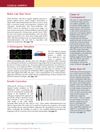 January 2016 in “Journal of Investigative Dermatology”
 Some cells may slow melanoma growth, a protein could affect skin pigmentation, a gene-silencing method might treat hair defects, skin bacteria changes likely result from eczema, and a defensin protein could help treat multiple sclerosis.
 January 2016 in “Experimental Dermatology”
 New findings suggest potential treatments for melanoma, hyperpigmentation, hair defects, and multiple sclerosis, and show skin microbiome changes don't cause atopic dermatitis.
January 2026 in “Preprints.org” Four new FGF5 gene variants cause long hair in dogs.
 March 2009 in “International Journal of Dermatology”
 The androgen receptor gene doesn't help identify women likely to have female pattern hair loss.
 January 2024 in “Natural product research”
 The bulb and shoot of Allium longisepalum contain various compounds with potential health benefits, including antioxidant and anti-inflammatory properties.
 150 citations
,
November 2007 in “The Journal of Clinical Endocrinology and Metabolism”
150 citations
,
November 2007 in “The Journal of Clinical Endocrinology and Metabolism” About 2.2% of women with symptoms of high male hormones have a mild form of congenital adrenal hyperplasia, and measuring a specific hormone level can accurately diagnose it.
143 citations
,
January 2004 in “Journal of Investigative Dermatology Symposium Proceedings” Alopecia areata is an autoimmune disease causing hair loss, treatable with immune-modulating drugs, and linked to genetics.