January 2026 in “Chemical Engineering Journal” Engineered nanovesicles from hair follicle stem cells enable scarless healing of infected wounds.
 40 citations
,
January 2009 in “Skin Pharmacology and Physiology”
40 citations
,
January 2009 in “Skin Pharmacology and Physiology” Fetal cells could improve skin repair with minimal scarring and are a potential ready-to-use solution for tissue engineering.
ILC1-like cells may contribute to hair loss in alopecia areata and could be new treatment targets.
 4 citations
,
May 2019 in “Journal of The European Academy of Dermatology and Venereology”
4 citations
,
May 2019 in “Journal of The European Academy of Dermatology and Venereology” Hair loss treatment caused more hair loss in a man.
2 citations
,
September 2020 in “International Journal of Molecular Sciences” Removing certain hair follicle stem cells worsens skin reactions to allergens.
 7 citations
,
February 2015 in “Journal of comparative pathology”
7 citations
,
February 2015 in “Journal of comparative pathology” CD8+ T cells play a key role in graft-versus-host disease in certain mice models.
 2 citations
,
October 2015 in “Human Gene Therapy”
2 citations
,
October 2015 in “Human Gene Therapy” The congress highlighted new gene therapy techniques and cell transplantation methods for treating diseases.
April 2018 in “Journal of Investigative Dermatology” Differentiated fibroblasts regenerate hair follicles better than undifferentiated ones.
3 citations
,
April 2018 in “Journal of Investigative Dermatology” CCCA may be a fibroproliferative disorder, and anti-fibrotic therapies could help.
December 2023 in “Journal of Asia Pacific Aesthetic Sciences” Using one's own hair stem cells can improve hair density in Asian individuals with hair loss.
 October 2022 in “Regenerative Biomaterials”
 A special gel with stem cells can create new hair follicles.
April 2019 in “Journal of Investigative Dermatology” The humanized AA mouse model is better for testing new alopecia areata treatments.
 53 citations
,
May 2010 in “Dermatologic Surgery”
53 citations
,
May 2010 in “Dermatologic Surgery” Hair transplantation may not work for Frontal Fibrosing Alopecia as transplanted hair was lost when the disease came back.
 1 citations
,
November 1992 in “Indian Dermatology Online Journal”
1 citations
,
November 1992 in “Indian Dermatology Online Journal” FUE is a popular hair restoration method that uses body hair and leaves no scars.
 February 2011 in “Journal of Clinical Investigation”
 Genetically repaired stem cells may treat certain genetic diseases, Th17 cells are key in fighting systemic fungal infections, hair loss in AGA is due to progenitor cell loss, and α-synuclein transfer might contribute to Parkinson's disease progression.
January 2026 in “International Journal of Molecular Sciences” Eyebrow follicles are best for accurate genetic testing after stem cell transplants.
April 2026 in “Cytotherapy” Immune activation of hair follicle stem cells can help develop new hair regeneration therapies.
 8 citations
,
September 2016 in “Journal of Investigative Dermatology”
8 citations
,
September 2016 in “Journal of Investigative Dermatology” Mice with more Flightless I protein grew back their claws better after amputation.
September 2019 in “Journal of Investigative Dermatology” Innate lymphoid cells type 1 may contribute to alopecia areata.
February 2026 in “Chemical Engineering Journal” PCA hydrogel promotes hair growth by enhancing blood vessel formation and hair follicle stem cell activity.
44 citations
,
September 2016 in “American Journal Of Pathology” Neural crest-derived progenitor cells in the cornea could help treat corneal issues without transplants.
 7 citations
,
January 2009 in “Biological & pharmaceutical bulletin”
7 citations
,
January 2009 in “Biological & pharmaceutical bulletin” Ferrous Ferric Chloride may improve skin cell function and increase hair growth in mice.
 April 2023 in “The journal of investigative dermatology/Journal of investigative dermatology”
 The study found that a key immune pathway protecting hair follicles is reduced in a mouse model of scarring hair loss.
 November 2005 in “Hair transplant forum international”
 It's not possible to get unlimited hair for transplants from the same donor area.
January 2012 in “Zhongguo shengwuzhipinxue zazhi” The material improved facial wrinkles and skin appearance.
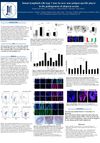
Innate lymphoid cells type 1 may contribute to alopecia areata by damaging hair follicles.
 June 2019 in “Stem Cell Research”
 Scientists created MUSIi010-A, a stem cell line from a balding man's scalp, to study hair loss and develop potential treatments.
 April 2018 in “The journal of investigative dermatology/Journal of investigative dermatology”
 Li2CO3 improved skin disease in a mouse model of Focal Dermal Hypoplasia without toxicity.
 3 citations
,
July 2025 in “BMC Oral Health”
3 citations
,
July 2025 in “BMC Oral Health” The scaffold could effectively replace traditional methods for bone regeneration in dental applications.
7 citations
,
January 2016 in “Methods in molecular biology” Neurons from hair follicles can help repair damaged nerves.