 July 2019 in “International journal of dermatology, venereology and leprosy sciences”
 Oral cyclosporine works better than betamethasone minipulse therapy for treating Alopecia Areata.
January 2008 in “Shanghai Journal of Traditional Chinese Medicine” Androgenic alopecia can be treated by identifying specific syndromes and using combined internal and external treatments.
Herbal therapies for alopecia show promise but need more research for safety and effectiveness.
 2 citations
,
January 2021 in “Turkiye Klinikleri Journal of Internal Medicine”
2 citations
,
January 2021 in “Turkiye Klinikleri Journal of Internal Medicine” Cancer treatments often cause hair loss, and more research is needed to prevent and treat it.
 1 citations
,
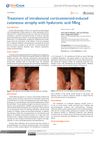
July 2018 in “Journal of dermatology & cosmetology”
1 citations
,
July 2018 in “Journal of dermatology & cosmetology” Hyaluronic acid successfully treated skin atrophy caused by corticosteroid injections.
June 2026 in “Zenodo (CERN European Organization for Nuclear Research)” Ayurvedic treatment may effectively manage alopecia areata.
September 2025 in “International Journal of Molecular Sciences” International guidelines for treating alopecia areata vary, focusing on different treatment options and related health issues.
 5 citations
,
July 2020 in “Journal of Cosmetic Dermatology”
5 citations
,
July 2020 in “Journal of Cosmetic Dermatology” A vibrating anesthetic device significantly reduces pain during mesotherapy for hair loss without complications.
 January 2011 in “Elsevier eBooks”
 Alopecia in animals can be hereditary, congenital, or acquired, with treatments and outcomes varying widely.
5 citations
,
September 2024 in “Life” Natural products can safely and effectively treat various human diseases.
July 2024 in “Journal of Investigative Dermatology” Topical corticosteroids are recommended first for treating pediatric alopecia areata due to safety and ease of use.
 October 2024 in “A I Burnasyan Federal Medical Biophysical Center Clinical Bulletin”
 Various treatments effectively manage androgenetic alopecia.
 July 2023 in “JAAD International”
 Two drugs, finasteride and minoxidil, are approved for hair loss treatment, but new therapies are being developed.
The conclusion is that dermatologists need to improve prescription practices to reduce errors and drug interaction risks.
 14 citations
,
January 2011 in “International Journal of Trichology”
14 citations
,
January 2011 in “International Journal of Trichology” Some people with severe, long-lasting baldness responded well to a specific combination treatment.
1 citations
,
November 2016 in “Journal of dermatological treatment” Oral tacrolimus may be a potential treatment for hair loss that doesn't respond to corticosteroids.
November 2014 in “Scientific periodicals of Ukraine” There's a need for safe, plant-based hair loss treatments due to limited options and side effects of current drugs.
 22 citations
,
January 2018 in “European urology focus”
22 citations
,
January 2018 in “European urology focus” New drugs and combination therapies are improving treatment for lower urinary tract symptoms.
44 citations
,
April 2017 in “International Journal of Dermatology” No treatment is completely effective for alopecia totalis and alopecia universalis.
 2 citations
,
August 2013 in “International Journal of Herbal Medicine”
2 citations
,
August 2013 in “International Journal of Herbal Medicine” No single treatment effectively cures hirsutism, and evidence for herbal remedies is weak.
 16 citations
,
July 2013 in “Human & Experimental Toxicology”
16 citations
,
July 2013 in “Human & Experimental Toxicology” Almost half of the dermatology patients in Eastern Turkey use alternative medicine, which can be risky and delay proper treatment.
July 2026 in “International Journal of Homoeopathic Sciences” Constitutional homeopathy may effectively manage alopecia areata in children.
 May 2026 in “Actas Dermo-Sifiliográficas”
 Effective treatments exist for hair loss, and a new guide helps doctors choose the best one.
 December 2023 in “International Journal of Research in Ayurveda and Pharmacy”
 Ayurvedic remedies may boost immunity and balance in cancer treatment but need more research.
March 2024 in “INDIAN JOURNAL OF APPLIED RESEARCH” Polarity Analysis with Calcarea Carbonica may effectively treat alopecia areata with fewer side effects.

Alopecia Areata causes hair loss and needs treatments that address both physical and emotional health.
December 2025 in “Zenodo (CERN European Organization for Nuclear Research)” Ayurvedic treatment successfully managed Alopecia Areata.
 13 citations
,
January 1999 in “Postgraduate Medicine”
13 citations
,
January 1999 in “Postgraduate Medicine” New drugs for rheumatoid arthritis show improvement but have side effects and are not a cure.
5 citations
,
June 2024 in “Value in Health Regional Issues” New therapies are needed to reduce the burden of alopecia areata.
 12 citations
,
August 2020 in “JEADV. Journal of the European Academy of Dermatology and Venereology/Journal of the European Academy of Dermatology and Venereology”
12 citations
,
August 2020 in “JEADV. Journal of the European Academy of Dermatology and Venereology/Journal of the European Academy of Dermatology and Venereology” Azathioprine is the most continued treatment for chronic alopecia areata over a year, often with added low-dose prednisolone.