 October 2024 in “International Journal of Ayurveda Research”
 Emblica officinalis and Eclipta alba may help treat hair loss naturally.
 June 2024 in “International Research Journal of Modernization in Engineering Technology and Science”
 Herbal shampoo with Neem, Tulsi, and Aloe vera is effective and safe for dandruff.
 June 2024 in “International Journal for Research in Applied Science and Engineering Technology”
 Flaxseed hair gel is effective for hair growth and dandruff, is stable, and has minimal side effects.
 April 2024 in “International journal of innovative science and research technology”
 A polyherbal scalp scrub with natural ingredients can treat scalp issues and promote healthier hair growth.
 April 2024 in “International Journal of Science and Research Archive”
 The herbal hair conditioner made from natural ingredients improves hair manageability and appearance.
 April 2024 in “International Research Journal Of Modernization In Engineering Technology And Science”
 Herbal shampoos are effective, non-toxic alternatives for treating dandruff and hair fall.
 March 2024 in “International Research Journal of Modernization in Engineering Technology and Science”
 The herbal shampoo made hair shinier, smoother, and softer without side effects.
 March 2024 in “International Journal of Advanced Research in Science, Communication and Technology”
 Herbal shampoos with plant-based ingredients can effectively promote hair growth, treat dandruff, and add shine.
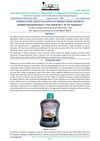 January 2024 in “International Research Journal of Modernization in Engineering Technology and Science”
 The herbal shampoo effectively cleans and conditions hair while being non-toxic and reducing allergic reactions.
 January 2024 in “Elsevier eBooks”
 Plant biomass materials are effective and eco-friendly for skin and hair care in cosmetics.
January 2024 in “Journal of pharmacognosy and phytochemistry” The herbal hair mask made from natural ingredients is safe, effective, and affordable for hair care.
 January 2024 in “International Journal of Pharmaceutical Research and Development”
 Herbal hair gels with natural ingredients can reduce dandruff and hair loss while repairing damage.
 November 2023 in “Scholars journal of applied medical sciences”
 Twelve plants, especially castor oil and coconut, are beneficial for managing afro-textured hair.
 October 2023 in “Cognizance journal”
 The document suggests using natural remedies like bloodletting and honey for various health issues but lacks scientific evidence for their effectiveness.
 July 2023 in “International journal of current research in chemistry and pharmaceutical sciences”
 The shampoo made with Bhringraj leaf and other natural ingredients shows promise as a natural dandruff solution.
 July 2023 in “Research Square (Research Square)”
 Aloe Vera and injectable platelet-rich fibrin (i-PRF) together can speed up and improve hair growth when used in the right amounts.
 July 2023 in “CRC Press eBooks”
 Plant-based substances like chamomile and aloe vera may help treat PCOS symptoms.
 April 2023 in “International Journal of Science and Research (IJSR)”
 Pomegranate peel shampoo can prevent hair loss and promote hair growth safely.
 March 2023 in “International journal of biology, pharmacy and allied sciences”
 The shampoo made with rice water and natural ingredients is safe and effective for improving hair health and reducing hair loss.
 January 2023 in “International Journal for Research in Applied Science and Engineering Technology”
 Herbs like Tea Tree Oil and Aloe Vera could be safer, more conditioning antidandruff alternatives to synthetic products.
 January 2023 in “International journal of pharmacognosy and clinical research”
 The polyherbal hair oil with curry leaves, fenugreek, and other natural ingredients improves hair texture and treats hair issues.
 January 2023 in “International journal of pharmacognosy and clinical research”
 The polyherbal oil made from natural ingredients improves hair health and appearance.
 December 2022 in “Korean journal of medicinal crop science/Han-gug yagyong jagmul hag-hoeji”
 Natural extracts like ginseng, green tea, shiitake, and aloe vera may help prevent hair loss by protecting hair-related cells.
December 2022 in “Zenodo (CERN European Organization for Nuclear Research)” Surbhi Green Tea Shampoo strengthens, nourishes, and protects hair, promoting growth and scalp health.
 July 2022 in “International journal of Ayurvedic medicine”
 The new herbal shampoo effectively controls dandruff using natural ingredients.
 June 2022 in “International Journal of Advanced Research in Science, Communication and Technology”
 The polyherbal hair oil helps hair growth, darkens white hair, fights dandruff, and makes hair shiny.
December 2020 in “Zenodo (CERN European Organization for Nuclear Research)” Certain herbs like stinging nettle, Indian gooseberry, and St. John's Wort can help improve hair growth and health.
 December 2020 in “Rev. Amazon.”
 Monnina crassifolia, Aloe vera, and rosemary are commonly used for hair conditions in Angochagua, Ecuador.
 March 2020 in “The Journal of animal and plant sciences/The JAPS”
 Aloe Vera helps wounds heal faster and promotes hair growth.
 January 2020 in “Acta Scientiae Veterinariae”
 A dog's chronic bite wound healed successfully using a mix of herbal gel, low power laser, and ozone therapy.