 August 2023 in “Journal of Student Research”
 The document concludes that alopecia is an incurable autoimmune disease with various treatments and that diet, as well as COVID-19, may impact it.
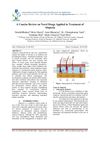
New therapies like JAK inhibitors, PRP, and stem cell treatments show promise for better alopecia management.
 April 2024 in “Lasers in medical science”
 Lasers and light therapies are effective in promoting hair regrowth for different types of hair loss.
January 2022 in “Drug Delivery” The aloe ferox gel with finasteride and oregano oil may effectively treat alopecia.
 3 citations
,
July 2018 in “Cureus”
3 citations
,
July 2018 in “Cureus” A breast cancer patient had lasting hair loss after chemotherapy, which improved with minoxidil treatment.

Tofacitinib effectively regrows hair in alopecia universalis triggered by a virus.
 June 2022 in “Journal of pharmaceutical research international”
 Alopecia causes patchy hair loss and can be diagnosed with new techniques; treatments like strong creams and contact immunotherapy can help.
Cross-section trichometry is an accurate method to measure hair loss and growth.
August 2025 in “Clinical and Experimental Dermatology” Alopecia areata treatments often don't lead to lasting improvement.
25 citations
,
December 2017 in “The journal of investigative dermatology. Symposium proceedings/The Journal of investigative dermatology symposium proceedings” Targeted cytokine treatments may help with alopecia areata, but more research is needed.