 81 citations
,
July 2011 in “Lasers in Medical Science”
81 citations
,
July 2011 in “Lasers in Medical Science” The Lexington LaserComb helped regrow hair in mice with a condition similar to human hair loss.
 80 citations
,
October 1983 in “BMJ”
80 citations
,
October 1983 in “BMJ” Minoxidil helps hair regrowth in alopecia patients, with 16 having good results and no side effects.
 79 citations
,
September 2009 in “Pediatric dermatology”
79 citations
,
September 2009 in “Pediatric dermatology” The 308-nm Excimer laser is effective and safe for treating patchy alopecia areata in children.
 78 citations
,
March 2017 in “JAMA Dermatology”
78 citations
,
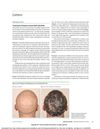
March 2017 in “JAMA Dermatology” Tofacitinib helped regrow hair in people with severe alopecia, but side effects occurred and benefits stopped after treatment ended.
 78 citations
,
April 1984 in “Archives of Dermatology”
78 citations
,
April 1984 in “Archives of Dermatology” Minoxidil can help regrow hair in alopecia areata patients.
 77 citations
,
June 2017 in “Advances in Therapy”
77 citations
,
June 2017 in “Advances in Therapy” New treatments for Alopecia Areata, like JAK inhibitors, show promise for hair regrowth and are likely to change future treatment approaches.
77 citations
,
June 2002 in “Journal of Investigative Dermatology” CD44 variant changes start alopecia areata, but don't maintain it.
 77 citations
,
March 2001 in “Clinics in Dermatology”
77 citations
,
March 2001 in “Clinics in Dermatology” Androgenetic alopecia involves genetics, hormones, and can be treated with medications or surgery.
75 citations
,
March 2023 in “JAMA Dermatology” Alopecia areata and its severe forms are becoming more common, especially among females, adults, and people in the Northeast.
75 citations
,
September 1971 in “British Journal of Dermatology” Both steroids effectively promote hair growth for at least 9 months.
 74 citations
,
May 2016 in “Current opinion in pediatrics, with evaluated MEDLINE/Current opinion in pediatrics”
74 citations
,
May 2016 in “Current opinion in pediatrics, with evaluated MEDLINE/Current opinion in pediatrics” Both vitiligo and alopecia areata involve an immune response triggered by stress and specific genes, with treatments targeting this pathway showing potential.
 73 citations
,
June 2010 in “PLoS Genetics”
73 citations
,
June 2010 in “PLoS Genetics” A gene mutation in mice causes hair loss, weak bones, and protein buildup, showing how protein processing issues can lead to diseases.
 72 citations
,
July 2014 in “American journal of clinical dermatology”
72 citations
,
July 2014 in “American journal of clinical dermatology” Some treatments, like corticosteroids and sensitizing agents, can help with alopecia areata, but more high-quality research is needed.
 72 citations
,
July 2012 in “Journal of Investigative Dermatology”
72 citations
,
July 2012 in “Journal of Investigative Dermatology” Mice lacking a key DNA methylation enzyme in skin cells have a lower chance of activating stem cells necessary for hair growth, leading to progressive hair loss.
 72 citations
,
January 2001 in “Drugs”
72 citations
,
January 2001 in “Drugs” Minoxidil and finasteride treat hair loss; more research needed for other options.
71 citations
,
January 2011 in “Orphanet Journal of Rare Diseases” IFAP syndrome is a rare genetic disorder causing skin, hair, and eye issues, with limited treatment options.
 71 citations
,
March 1995 in “Journal of The American Academy of Dermatology”
71 citations
,
March 1995 in “Journal of The American Academy of Dermatology” Using both vertical and transverse sections for alopecia biopsies improves diagnosis without extra cost.
 70 citations
,
July 2020 in “Pharmacological Reports”
70 citations
,
July 2020 in “Pharmacological Reports” Cepharanthine, a Japanese hair loss drug, shows promise as a COVID-19 treatment but needs more testing.
 70 citations
,
February 2015 in “Expert Opinion on Drug Discovery”
70 citations
,
February 2015 in “Expert Opinion on Drug Discovery” Topical drugs and near-infrared light therapy show potential for treating alopecia.
70 citations
,
April 2011 in “British journal of dermatology/British journal of dermatology, Supplement” Methotrexate sometimes helps regrow hair in children with severe alopecia areata and is generally safe.
 70 citations
,
April 2016 in “Experimental Dermatology”
70 citations
,
April 2016 in “Experimental Dermatology” A patient with alopecia areata regrew hair after taking tofacitinib and showed changes in certain blood and skin markers.
 69 citations
,
April 2017 in “BMJ open”
69 citations
,
April 2017 in “BMJ open” Many people with alopecia experience high levels of social anxiety, anxiety, and depression, and while wigs can boost confidence, they may also cause anxiety.
69 citations
,
June 2016 in “Journal of Investigative Dermatology” Sebaceous gland atrophy and inflammation may cause hair loss in psoriasis.
69 citations
,
July 2002 in “Clinical and Experimental Dermatology” Alopecia areata is influenced by genetics and immune system factors, and better understanding could improve treatments.
 68 citations
,
May 2016 in “Experimental dermatology”
68 citations
,
May 2016 in “Experimental dermatology” FFA's causes may include environmental triggers and genetic factors.
 68 citations
,
November 2015 in “The Journal of Allergy and Clinical Immunology”
68 citations
,
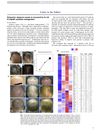
November 2015 in “The Journal of Allergy and Clinical Immunology” Blocking IL-12/IL-23p40 helped reverse severe hair loss in patients.
 67 citations
,
August 2007 in “American Journal of Pathology”
67 citations
,
August 2007 in “American Journal of Pathology” Overexpressing the mineralocorticoid receptor in mouse skin causes skin thinning, early skin barrier development, eye issues, and hair loss.
 66 citations
,
June 2021 in “Journal of The American Academy of Dermatology”
66 citations
,
June 2021 in “Journal of The American Academy of Dermatology” Baricitinib is effective and safe for treating severe alopecia areata.
66 citations
,
May 2011 in “Dermatologic therapy” Guidelines help design better trials to compare alopecia areata treatments.
 66 citations
,
February 2009 in “British Journal of Dermatology”
66 citations
,
February 2009 in “British Journal of Dermatology” Chinese men have lower AGA rates than Caucasians, with type III vertex most common; family history is important.