 January 2018 in “Springer eBooks”
 Congenital triangular alopecia is a harmless, non-spreading hair loss condition often seen in young children.
 January 2018 in “Annals of Dermatology”
 Newspaper articles on alopecia are often inaccurate and sometimes mix up different types of hair loss.
 January 2018 in “Figshare”
 Horizontal sections of scalp biopsies are useful for telling the difference between Androgenetic Alopecia and Alopecia Areata.
 August 2017 in “Journal of evolution of medical and dental sciences”
 Trichoscopy is effective for diagnosing different types of non-scarring hair loss.
 March 2017 in “The American Journal of Cosmetic Surgery”
 Transplanted hair follicles can resist hair loss from an autoimmune condition better than natural hair.
 February 2017 in “Medicina cutánea ibero-latino-americana”
 An 8-year-old boy with hair loss had hair regrowth and responded well to clobetasol propionate treatment.
 April 2016 in “Journal of The American Academy of Dermatology”
 The study found that Temporal Triangular Alopecia often starts in early childhood, mainly affects the left side of the scalp, and has no effective treatment except surgery.
 January 2016 in “Springer eBooks”
 Cryotherapy may be an effective and simple treatment for mild hair loss with few side effects.
September 2015 in “Advances in small animal medicine and surgery” Deslorelin can help regrow hair in most intact male dogs with alopecia.
North American ginseng extract helped regrow hair in balding mice.
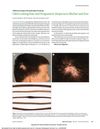 May 2014 in “JAMA Dermatology”
 Mother and son diagnosed with a rare genetic hair loss condition with no effective treatment.
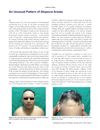 January 2014 in “International Journal of Trichology”
 A man had an unusual type of hair loss that didn't match known patterns and didn't improve with treatment.
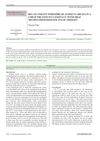 July 2013 in “Our Dermatology Online”
 Oral methylprednisolone pulse therapy helped an 11-year-old regrow 80% of his hair in six months.
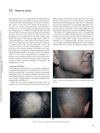 April 2012 in “Informa Healthcare eBooks”
 Alopecia areata is a common autoimmune condition causing varying hair loss, diagnosed by specific patterns of inflammation around hair follicles, with several treatment options available.
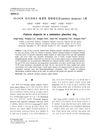 December 2011 in “Korean journal of veterinary research”
 A Miniature Pinscher dog with hair loss and scaling was diagnosed with pattern alopecia and improved with melatonin treatment.
 January 2011 in “International Journal of Trichology”
 The document concludes that doctors should recognize congenital triangular alopecia to avoid unnecessary treatments, as it does not respond to steroids like alopecia areata does.
 September 2010 in “Companion Animal”
 The guide explains how to diagnose and treat hair loss in dogs, covering causes and treatments, with some conditions lacking treatment options.
 November 2009 in “Companion Animal”
 The document suggests that Alopecia X in dogs is mainly a cosmetic issue and might be better left untreated.
 January 2008 in “Springer eBooks”
 Thyroid disease can cause hair loss and treating thyroid problems might help with hair disorders.
 January 2007 in “Acta Veterinaria Brno”
 Trilostane treatment successfully restored hair growth in a dog with alopecia X.
 September 1997 in “JEADV. Journal of the European Academy of Dermatology and Venereology/Journal of the European Academy of Dermatology and Venereology”
 Alopecia patients have a less active liver monoxygenase system, which can be treated with photochemotherapy and system inducers.
 September 1997 in “JEADV. Journal of the European Academy of Dermatology and Venereology/Journal of the European Academy of Dermatology and Venereology”
 Psychological factors play a significant role in developing alopecia areata.
 January 1980 in “Journal of the Japan Veterinary Medical Association”
 Iodine deficiency in sows likely caused hair loss in newborn piglets.
January 2022 in “مجلة جامعة المجمعه للعلوم الصحية” A woman was misdiagnosed with hair loss for years, but actually had a rare type of alopecia.
October 2019 in “Our Dermatology Online” Androgenetic alopecia significantly lowers self-esteem and affects social interactions.
717 citations
,
June 2010 in “Nature” Alopecia areata involves both innate and adaptive immunity, with specific genes linked to the disease.
519 citations
,
October 1998 in “Endocrinology” Diet can prevent bone issues but not hair loss in mice lacking vitamin D receptors.
412 citations
,
January 1998 in “Science” A mutation in the human hairless gene causes alopecia universalis.
 391 citations
,
January 2010 in “Journal of The American Academy of Dermatology”
391 citations
,
January 2010 in “Journal of The American Academy of Dermatology” Half of people with Alopecia Areata may see hair regrowth within a year without treatment, but recovery is unpredictable.
 295 citations
,
May 2016 in “Journal of the American Academy of Dermatology”
295 citations
,
May 2016 in “Journal of the American Academy of Dermatology” Alopecia areata, a common autoimmune hair loss condition, often runs in families.