 49 citations
,
April 2000 in “Journal of The American Academy of Dermatology”
49 citations
,
April 2000 in “Journal of The American Academy of Dermatology” Despite progress in treatment, the exact cause of Alopecia areata is still unknown.
 49 citations
,
October 1994 in “Annals of Oncology”
49 citations
,
October 1994 in “Annals of Oncology” Minoxidil not effective in preventing chemotherapy-induced hair loss.
 49 citations
,
November 1992 in “Archives of dermatology”
49 citations
,
November 1992 in “Archives of dermatology” Different treatments for alopecia areata have varying success rates and side effects; intralesional steroids are most effective.
48 citations
,
July 2023 in “Pediatric Dermatology” Ritlecitinib effectively regrows hair in adolescents with alopecia areata and is safe.
48 citations
,
April 2021 in “Journal of the American Academy of Dermatology” Topical corticosteroids are the best initial treatment for children's alopecia areata.
48 citations
,
April 2019 in “PloS one” Alopecia areata patients have more Propionibacterium acnes and less Staphylococcus epidermidis on their scalps.
48 citations
,
May 2018 in “Expert Opinion on Therapeutic Targets” Gut health may influence Alopecia Areata, suggesting new treatments.
48 citations
,
April 2018 in “JEADV. Journal of the European Academy of Dermatology and Venereology/Journal of the European Academy of Dermatology and Venereology” People with alopecia areata often have lower vitamin D levels and are more likely to be deficient in it.
 48 citations
,
November 2017 in “Journal of the American Academy of Dermatology”
48 citations
,
November 2017 in “Journal of the American Academy of Dermatology” Tofacitinib 2% ointment helped hair regrow in 3 out of 10 patients with alopecia areata, but caused side effects like scalp irritation and raised cholesterol in some.
 48 citations
,
October 2014 in “International Journal of Cardiology”
48 citations
,
October 2014 in “International Journal of Cardiology” People with alopecia are at higher risk for heart disease and have more heart-related risk factors.
 48 citations
,
September 2013 in “Oncologist”
48 citations
,
September 2013 in “Oncologist” Endocrine therapies for cancer significantly increase the risk of hair loss.
48 citations
,
September 2011 in “British Journal of Dermatology” Epigenetic changes in blood cells may contribute to alopecia areata.
 48 citations
,
January 2011 in “International journal of trichology”
48 citations
,
January 2011 in “International journal of trichology” Intralesional triamcinolone acetonide is the most effective treatment for localized alopecia areata.
48 citations
,
June 2003 in “Journal of Investigative Dermatology Symposium Proceedings” Contact sensitizers like DCP and SADBE are the most effective treatments for alopecia areata.
 48 citations
,
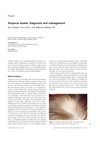
May 1999 in “International Journal of Dermatology”
48 citations
,
May 1999 in “International Journal of Dermatology” Alopecia areata is an unpredictable autoimmune hair loss condition, treated based on severity, with half of patients regrowing hair within a year without treatment.
 48 citations
,
October 1996 in “Dermatologic clinics”
48 citations
,
October 1996 in “Dermatologic clinics” Some treatments can help with hair regrowth in alopecia areata, but results vary and long-term use is often needed without changing the disease's outcome.
47 citations
,
June 2017 in “Journal of dermatology” New treatments for alopecia areata show promise, but no cure exists and responses to treatments vary.
 47 citations
,
October 2014 in “Expert Opinion on Emerging Drugs”
47 citations
,
October 2014 in “Expert Opinion on Emerging Drugs” New alopecia treatments aim for better results and fewer side effects.
47 citations
,
September 1995 in “British Journal of Dermatology” Diphencyprone therapy for hair loss can cause vitiligo.
 47 citations
,
May 1995 in “Journal of Investigative Dermatology”
47 citations
,
May 1995 in “Journal of Investigative Dermatology” Hair follicles in people with alopecia have lower levels of a key blood vessel growth protein.
46 citations
,
April 2020 in “Drugs” Emerging therapies like JAK inhibitors show promise for hair regrowth in alopecia areata.
 46 citations
,
August 2019 in “Journal of the European Academy of Dermatology and Venereology”
46 citations
,
August 2019 in “Journal of the European Academy of Dermatology and Venereology” People with hair loss conditions experience more anxiety, depression, and a lower quality of life than those without these conditions.
46 citations
,
October 2018 in “JCI insight” CD8+ T cells are involved in alopecia areata and may cause disease relapse.
46 citations
,
July 2007 in “Journal of the American Academy of Dermatology” Alopecia areata causes significant emotional distress, including high rates of depression and anxiety.
 46 citations
,
May 1997 in “British journal of dermatology/British journal of dermatology, Supplement”
46 citations
,
May 1997 in “British journal of dermatology/British journal of dermatology, Supplement” Vitiligo is not linked to coeliac disease, but a small number of alopecia areata patients may have it, suggesting they should be tested for coeliac disease.
 46 citations
,
November 1995 in “The Journal of Dermatology”
46 citations
,
November 1995 in “The Journal of Dermatology” Alopecia areata was most common in people in their 30s and 40s, with some family history and a higher relapse rate, and larger bald areas responded better to specific immunotherapy.
46 citations
,
June 1990 in “Archives of dermatology” Combining 5% minoxidil and 0.5% anthralin can help regrow hair in some severe alopecia areata patients.
45 citations
,
May 2024 in “International Journal of Molecular Sciences” Alopecia areata is caused by immune attacks on hair follicles, affecting hair growth and quality of life.
 45 citations
,
April 2019 in “International Immunology”
45 citations
,
April 2019 in “International Immunology” The study concluded that immune cells attacking hair follicles cause hair loss in alopecia, with genetics and environment also playing a role, and highlighted the potential of certain treatments.
 45 citations
,
May 2018 in “Stem Cell Research & Therapy”
45 citations
,
May 2018 in “Stem Cell Research & Therapy” Using patients' own fat-derived cells to treat alopecia areata significantly improved hair growth and was safe.