 164 citations
,
April 2008 in “Cochrane library”
164 citations
,
April 2008 in “Cochrane library” Current treatments for alopecia show no significant long-term benefits.
164 citations
,
November 1989 in “Clinical and Experimental Dermatology” Juvenile alopecia areata is more severe and has a worse prognosis than maturity-onset alopecia areata.
 163 citations
,
November 2003 in “Journal of Investigative Dermatology”
163 citations
,
November 2003 in “Journal of Investigative Dermatology” Low iron levels may be linked to some types of hair loss in women.
162 citations
,
October 2014 in “Autoimmunity reviews” Alopecia areata is caused by the immune system attacking hair follicles.
161 citations
,
March 1992 in “International Journal of Dermatology” Alopecia areata often starts before age 20, is more common in women, and may have a genetic link with other autoimmune diseases.
 157 citations
,
December 2015 in “Journal of the American Academy of Dermatology”
157 citations
,
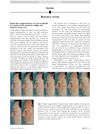
December 2015 in “Journal of the American Academy of Dermatology” A man with vitiligo and alopecia saw quick skin and hair improvement with ruxolitinib, but skin color gains were lost after stopping treatment.
 151 citations
,
February 2007 in “International Journal of Dermatology”
151 citations
,
February 2007 in “International Journal of Dermatology” Alopecia areata causes hair loss, has no cure, and various treatments exist.
 150 citations
,
April 2008 in “Journal of The American Academy of Dermatology”
150 citations
,
April 2008 in “Journal of The American Academy of Dermatology” Scalp dermoscopy is good for diagnosing a type of hair loss and helps choose the best spots for biopsy.
 148 citations
,
March 2022 in “The New England Journal of Medicine”
148 citations
,
March 2022 in “The New England Journal of Medicine” Baricitinib was effective in treating alopecia areata in two major trials.
 148 citations
,
December 2018 in “Journal of autoimmunity”
148 citations
,
December 2018 in “Journal of autoimmunity” Alopecia areata is an autoimmune disease causing patchy hair loss, often with other autoimmune disorders, but its exact causes are unknown.
 146 citations
,
July 2003 in “Journal of the American Academy of Dermatology”
146 citations
,
July 2003 in “Journal of the American Academy of Dermatology” Clobetasol propionate ointment can help some people with total hair loss regrow hair.
 144 citations
,
July 2015 in “Clinical, Cosmetic and Investigational Dermatology”
144 citations
,
July 2015 in “Clinical, Cosmetic and Investigational Dermatology” Alopecia areata is a common autoimmune disease affecting about 2% of people, causing significant disability and often associated with mental health issues and other autoimmune conditions.
143 citations
,
January 2007 in “The American Journal of Human Genetics” Certain genes on chromosomes 6, 10, 16, and 18 may increase the risk of alopecia areata.
143 citations
,
January 2004 in “Journal of Investigative Dermatology Symposium Proceedings” Alopecia areata is an autoimmune disease causing hair loss, treatable with immune-modulating drugs, and linked to genetics.
141 citations
,
February 2005 in “Journal of the American Academy of Dermatology” Oral prednisolone helps hair regrowth in alopecia areata.
 139 citations
,
November 2016 in “Journal of the American Academy of Dermatology”
139 citations
,
November 2016 in “Journal of the American Academy of Dermatology” Tofacitinib helped regrow hair in most adolescents with alopecia areata, but more research is needed.
137 citations
,
April 2001 in “Journal of Clinical Investigation” Alopecia in these mice is caused by defective hair cycle communication due to missing vitamin D receptor function, not vitamin D levels.
134 citations
,
July 2020 in “Experimental dermatology” Hair follicles are normally protected from the immune system, but when this protection fails, it can cause hair loss in alopecia areata.
132 citations
,
November 1998 in “Journal of the American Academy of Dermatology” Topical sensitizers have mixed success in treating alopecia areata.
 131 citations
,
November 1998 in “The journal of investigative dermatology/Journal of investigative dermatology”
131 citations
,
November 1998 in “The journal of investigative dermatology/Journal of investigative dermatology” Skin grafts on mice can cause an immune response leading to hair loss, useful for studying human hair loss conditions.
130 citations
,
February 2019 in “JEADV. Journal of the European Academy of Dermatology and Venereology/Journal of the European Academy of Dermatology and Venereology” JAK inhibitors are effective for treating alopecia areata, with most patients seeing hair growth after treatment.
 130 citations
,
February 2018 in “Journal of Investigative Dermatology”
130 citations
,
February 2018 in “Journal of Investigative Dermatology” Tofacitinib may help treat severe hair loss, but more research is needed.
 128 citations
,
February 2016 in “British Journal of Dermatology”
128 citations
,
February 2016 in “British Journal of Dermatology” Alopecia areata significantly lowers the quality of life, especially in emotional and mental health aspects.
 122 citations
,
June 2002 in “Genes & Development”
122 citations
,
June 2002 in “Genes & Development” Keratin 17 is crucial for early hair strength and cell survival.
 122 citations
,
April 1995 in “Journal of Cutaneous Pathology”
122 citations
,
April 1995 in “Journal of Cutaneous Pathology” The document describes how to tell different types of non-scarring hair loss apart by looking at hair and scalp tissue under a microscope.
 122 citations
,
November 1984 in “Journal of the American Academy of Dermatology”
122 citations
,
November 1984 in “Journal of the American Academy of Dermatology” No single treatment is consistently effective for alopecia areata, and more research is needed.
119 citations
,
October 1998 in “Endocrinology” Diet can prevent bone issues but not hair loss in mice lacking vitamin D receptors.
 119 citations
,
June 1993 in “BMJ”
119 citations
,
June 1993 in “BMJ” Alopecia is a key indicator of thallium poisoning.
117 citations
,
February 1996 in “International Journal of Dermatology” A 300 mg monthly pulse of prednisolone effectively and safely treats widespread alopecia areata.
115 citations
,
December 2001 in “Endocrinology” Expressing the human vitamin D receptor in skin cells prevents hair loss in certain mice.