 December 2016 in “Reactions Weekly”
 Dutasteride and finasteride have equal safety for treating BPH without increased heart risk.
 April 2016 in “The Journal of Sexual Medicine”
 Younger people (median age 35) experience more PFS-like symptoms with 1mg finasteride; more research needed.
 February 2016 in “Journal of urology and nephrology open access”
 Finasteride, a drug that prevents testosterone conversion, can effectively reduce blood loss in prostate surgery, especially for patients with a prostatic volume over 30 cc, and decrease post-surgery complications.
 December 2015 in “Faculty Opinions – Post-Publication Peer Review of the Biomedical Literature”
 Finasteride, a hair loss treatment, may cause long-term sexual dysfunction and depression.
 April 1999 in “Therapeutische Umschau”
 Hair loss and excessive growth treated with various options, including new laser technology.
January 2023 in “Dermatologic Therapy” Intralesional corticosteroids and 5-alpha-reductase inhibitors are the best treatments for frontal fibrosing alopecia.
 February 2021 in “Revue médicale de Liège”
 Platelet-rich plasma injections are a promising new treatment for hair loss, showing initial positive results.
July 2020 in “Vestnik urologii” The cause of post-finasteride syndrome is unclear and needs more research.
 September 2019 in “Reactions Weekly”
 Man experienced post-finasteride syndrome symptoms after using finasteride and dutasteride for hair loss.
 July 2018 in “Reactions Weekly”
 Lower finasteride doses had more side effects; dutasteride caused back pain; more research needed on post-finasteride syndrome.
 May 2017 in “Urology and andrology”
 Finasteride and dutasteride, used for prostate issues and hair loss, can cause side effects like sexual dysfunction and mental issues, which may continue even after stopping the medication, a condition called post-finasteride syndrome, for which there's currently no cure.
 January 2016 in “Hair transplant forum international”
 Finasteride's link to health issues like male breast cancer, infertility, and prostate cancer needs more research through placebo-controlled trials to confirm.
 February 2010 in “Journal of The American Academy of Dermatology”
 Lower nitric oxide and higher fibrinogen found in hirsute women; impaired sexual function in 22.6% of hair loss patients, linked to psoriasis severity.

Androgenetic alopecia, or hair loss, is caused by genetic factors and hormones, with different mechanisms in men and women, and can be linked to insulin resistance and polycystic ovary syndrome.
 47 citations
,
August 2000 in “Endocrine Reviews”
47 citations
,
August 2000 in “Endocrine Reviews” The document concludes that more research is needed to understand excessive hair growth in women with normal hormone levels and regular ovulation.
 January 2017 in “Cogent Medicine”
 Extracts improve hair growth in alopecia.
 50 citations
,
February 2013 in “Annals of Clinical Biochemistry”
50 citations
,
February 2013 in “Annals of Clinical Biochemistry” Understanding how DHT works is important for diagnosing and treating hormone-related disorders.
 20 citations
,
February 2009 in “Chemistry & Biodiversity”
20 citations
,
February 2009 in “Chemistry & Biodiversity” Ganoderma lucidum may help treat prostate cancer by blocking male hormones and slowing cancer cell growth.
 2 citations
,
April 2018 in “Natural Product Communications”
2 citations
,
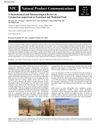
April 2018 in “Natural Product Communications” Cynomorium songaricum has many health benefits and could help with hair regrowth.
 March 2025 in “HAL (Le Centre pour la Communication Scientifique Directe)”
 De nouvelles thérapies promettent de mieux traiter la perte de cheveux due à l'alopécie androgénétique.
1 citations
,
January 2022 in “Food & Function” Certain Egyptian Sabal fruit extracts may help treat anti-androgenic diseases like benign prostatic hyperplasia.
The document concluded that home treatments are needed for hair loss control, but professionals should better understand how these treatments work.
 September 2004 in “PubMed”
 Androgenetic alopecia, or hair loss, is influenced by hormones and genetics, and can be treated with medications like minoxidil, finasteride, or hormone therapy, with effectiveness evaluated after 6 months.
December 2016 in “University of Birmingham Institutional Research Archive (University of Birmingham)” Glucocorticoids reduce fat production in liver cells, while androgens increase it in females; manipulating certain enzymes can influence these effects.
23 citations
,
July 1993 in “The journal of investigative dermatology/Journal of investigative dermatology” Certain chemicals and peptides can promote hair growth or prevent baldness.
 22 citations
,
March 2000 in “Clinics in Dermatology”
22 citations
,
March 2000 in “Clinics in Dermatology” Many treatments for hair loss lack proper testing and FDA approval, so their effectiveness is uncertain.
 11 citations
,
January 1991 in “Urology”
11 citations
,
January 1991 in “Urology” New hormonal treatments for enlarged prostate show promise for safer, effective non-surgical options.
 September 2024 in “Health Sciences”
 Androgenic alopecia can be treated with minoxidil, finasteride, and hormonal therapy.
 May 2024 in “Journal of cosmetic dermatology”
 "Dutasteride 0.5 mg daily is the most effective treatment for male hair loss."
 August 2018 in “SDÜ SAĞLIK BİLİMLERİ DERGİSİ”
 No method fully prevents hair loss from chemotherapy, but some methods can reduce it and improve quality of life.