 January 2016 in “Language Learning in Higher Education”
 People use different types of euphemisms for medical terms in English and French, which can cause confusion for non-native speaking healthcare professionals. Also, medical TV shows and the internet might make these terms more technical over time.
 November 2013 in “Elsevier eBooks”
 Skin and hair renewal is maintained by both fast and slow cycling stem cells, with hair regrowth primarily driven by specific stem cells in the hair follicle bulge. These cells can also help heal wounds and potentially treat hair loss.
 February 2011 in “Vestnik dermatologii i venerologii”
 Women of child-bearing age with androgenic alopecia lose hair density, especially in certain areas, and their hair becomes thinner. They also lose more than twice as much hair as healthy women.
 February 2009 in “Springer eBooks”
 Hyperpigmentation is common in pregnancy and may not fully fade after birth; melasma, also frequent, can persist but has limited treatment options during pregnancy.
 August 2008 in “Current Opinion in Internal Medicine”
 In 2007, prostate cancer research improved understanding of risk, diagnosis, and treatment, but also showed heart risks with certain therapies and the need for personalized care.
 November 2007 in “Journal of Generic Medicines”
 Europe strengthened medicine regulations, increased protection against counterfeit drugs, and made it tougher to challenge comparative advertising, while also focusing on patent law enforcement and updating plant protection rules.
 January 2007 in “The Year book of surgery”
 Mast cells and VEGF contribute to post-surgery adhesions, and blocking VEGF can reduce these adhesions; also, certain factors affect wound healing and fetal skin heals differently with age.
 September 2003 in “Journal of the Royal Society of Medicine”
 The document concludes that while some advocate for a patient voucher system, it may be unequal and current healthcare reforms should be given a chance, and it also recommends various medical books for their comprehensive coverage and advice on specific health issues.
 January 2003 in “Springer eBooks”
 Certain genes are linked to type 1 and type 2 diabetes in kids, and changes in these genes can also cause other diabetes-related conditions.
 July 2000 in “Dermatologic Surgery”
 Dr. Yarborough denied endorsing Derma Genesis and was mistakenly represented due to his office manager's error; also, over 30% of tested skin products were contaminated with bacteria.
 January 1989 in “Journal of The American Academy of Dermatology”
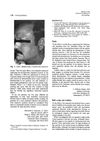
 Dr. Hanke acknowledges the success of CO₂ laser for less severe blast tattoos and suggests dermabrasion for more extensive injuries, while also discussing dermatology's media presence and issues with minoxidil research.
Hirsutism is excessive male-pattern hair growth in women, often treated cosmetically or with hormone therapy if contraception is also desired.
 December 2022 in “Rossiiskii Zhurnal Kozhnykh i Venericheskikh Boleznei”
 Androgenic alopecia in men is mainly linked to family history, hormonal imbalances, and metabolic issues, but can also be influenced by lifestyle habits, environmental factors, and deficiencies in certain vitamins and microelements like copper.
 February 2022 in “Journal of Cosmetic Dermatology”
 Women with pattern hair loss may have more stress in their bodies due to a lack of NRF2, a protein. Eating healthy and losing weight could help reduce this stress and improve hair loss. NRF2 boosters might also help treat this type of hair loss.
 March 2019 in “Chinese Journal of Dermatology”
 Hair loss, known as androgenetic alopecia, is mainly caused by genetics, but also by hormone imbalances, shrinking hair follicles, inflammation, and environmental factors.
 January 2016 in “American Journal of Clinical and Experimental Medicine”
 Lower zinc levels in hair are linked to more severe male pattern baldness, but blood zinc levels don't show this link. Age also increases baldness severity.
 October 2010 in “Mayo Clinic women's healthsource”
 Dr. Rochelle Torgerson says female-pattern hair loss is often hereditary, starts after puberty, and can be slowed with treatments like Minoxidil. It can also indicate other health issues.
 February 2008 in “CRC Press eBooks”
 Androgenetic alopecia is a genetic hair loss condition, more severe in men, and can also be caused by hormonal imbalances in women.

Women with androgenetic alopecia have normal levels of most blood steroids and binding proteins, but higher dehydroepiandrosterone. Some also have low "sex hormone-binding globulin" and "corticosteroide-binding globulin" capacity, and high "free androgen index" and "free cortisol index". Diane treatment can normalize these levels and improve hair conditions.
 32 citations
,
June 2019 in “Frontiers in Endocrinology”
32 citations
,
June 2019 in “Frontiers in Endocrinology” Polycystic Ovary Syndrome (PCOS) is common in women with conditions like anovulation, hirsutism, hair loss, and type 2 diabetes, and it can lead to health risks like heart disease, obesity, insulin resistance, and depression. Non-Classic Congenital Adrenal Hyperplasia (NC-CAH) is also discussed.
 18 citations
,
October 2021 in “Frontiers in Physiology”
18 citations
,
October 2021 in “Frontiers in Physiology” Lipocalin-Type Prostaglandin D2 Synthase (L-PGDS) is a protein that plays many roles in the body, including sleep regulation, pain management, food intake, and protection against harmful substances. It also affects fat metabolism, glucose intolerance, cell maturation, and is involved in various diseases like diabetes, cancer, and arthritis. It can influence sex organ development and embryonic cell differentiation, and its levels can be used as a diagnostic marker for certain conditions.
 13 citations
,
February 2004 in “Clinical and Experimental Ophthalmology”
13 citations
,
February 2004 in “Clinical and Experimental Ophthalmology” A baby boy with 13q deletion syndrome had eye cancer, a woman's vision improved after stopping a breast cancer drug, a man developed cataracts from using Propecia, and a rare skin disorder called Lipoid Proteinosis was discussed. Also, a tool called OCT is useful for diagnosing macular diseases.
 6 citations
,
February 2023 in “Advances in Therapy”
6 citations
,
February 2023 in “Advances in Therapy” Baricitinib, a drug for rheumatoid arthritis, atopic dermatitis, and alopecia areata, is generally safe with low risk of major side effects, even in patients with risk factors. It's also effective in promoting hair regrowth in alopecia areata patients.
 3 citations
,
March 2022 in “Haya: the Saudi journal of life sciences”
3 citations
,
March 2022 in “Haya: the Saudi journal of life sciences” Dates may improve heart health, fight infections, protect kidneys, reduce inflammation, support pregnancy, promote dental and bone health, enhance mental function, and have anti-cancer properties, and are also beneficial for skin and hair care.
 2 citations
,
December 2021 in “Cureus”
2 citations
,
December 2021 in “Cureus” Most women with Polycystic Ovary Syndrome (PCOS) have skin issues like excessive hair, acne, or hair loss. Hormone imbalances are common, and age, certain hormones, and hormone ratios can predict acne. Obesity, infertility, and high cholesterol are also common in these women.
 2 citations
,
April 2021 in “Canadian Journal of Urology”
2 citations
,
April 2021 in “Canadian Journal of Urology” Five-alpha reductase inhibitors, like finasteride and dutasteride, can treat enlarged prostates, improve urination, reduce need for prostate surgery, and lower the risk of prostate cancer, but may increase the risk of higher grade prostate cancer. They can also treat male pattern baldness.
 2 citations
,
March 2016 in “Journal of Mind and Medical Sciences”
2 citations
,
March 2016 in “Journal of Mind and Medical Sciences” Finasteride, used for treating hair loss, can cause mental, physical, and sexual side effects, some of which may persist even after stopping the drug, and it can also cause mild to moderate oral issues.
 1 citations
,
May 2017 in “InTech eBooks”
1 citations
,
May 2017 in “InTech eBooks” Hair loss in Androgenetic alopecia (AGA) is due to altered cell sensitivity to hormones, not increased hormone levels. Hair growth periods shorten over time, causing hair to become thinner and shorter. This is linked to miscommunication between cell pathways in hair follicles. There's also a change in gene expression related to blood vessels and cell growth in balding hair follicles. The exact molecular causes of AGA are still unclear.
 November 2020 in “Elsevier eBooks”
 Antiandrogens and androgen inhibitors like spironolactone, finasteride, and dutasteride can treat hair loss and skin conditions, but they have risks and side effects, including potential harm to pregnant women and risks of cancer and heart issues. Herbal remedies also have antiandrogenic effects but lack safety validation.
 January 2017 in “Journal of Investigative Dermatology Symposium Proceedings”
 The 2015 Hair Research Congress concluded that stem cells, maraviroc, and simvastatin could potentially treat Alopecia Areata, topical minoxidil, finasteride, and steroids could treat Frontal Fibrosing Alopecia, and PTGDR2 antagonists could also treat alopecia. They also found that low-level light therapy could help with hair loss, a robotic device could assist in hair extraction, and nutrition could aid hair growth. They suggested that Alopecia Areata is an inflammatory disorder, not a single disease, indicating a need for personalized treatments.