Search
for
Sort by
Research
360-390 / 1000+ results
research Isolation and Characterization of a Novel Hair Follicle–Specific Gene, Hacl-1
Researchers found a new gene, hacl-1, that is active in mouse hair follicles during hair growth and may be important for hair biology.

research Global expression profile and global genome methylation signatures in male patients with androgenetic alopecia
Differences in gene expression and methylation patterns found in AGA patients suggest potential targets for future treatments.
research Androgenetic Alopecia and Metabolic Syndrome: Is Alarin a Missing Link?
Higher alarin levels might link hair loss and metabolic syndrome.

research Identification of Immune Microenvironment Changes, Immune-Related Pathways and Genes in Male Androgenetic Alopecia
Immune changes and specific genes contribute to male hair loss.
research The deduced sequence of the novel protransglutaminase E (TGase3) of human and mouse
Human and mouse TGase3 enzymes are similar but differ near the activation site, crucial for their function in skin and hair development.
research Identification of Trichohyalin-Like 1, an S100 Fused-Type Protein Selectively Expressed in Hair Follicles
TCHHL1 is a protein important for hair growth, found in hair follicles.
research 890 Development of pigmented reconstructed human epidermis model containing human melanoblasts from keratinocyte culture
The created skin model with melanoblasts improves the study of skin color and offers an alternative to animal testing.
research Dermatoglyphic patterns in androgenetic alopecia in a South Eastern Nigerian population

research Premature Graying as a Consequence of Compromised Antioxidant Activity in Hair Bulb Melanocytes and Their Precursors
Gray hair may be caused by lower antioxidant activity in hair cells.
research Expression characteristics of BMP2, BMPR-IA and Noggin in different stages of hair follicle in yak skin
BMP2 and BMPR-IA may stop hair growth while Noggin may encourage it in yak skin.
research Borate-modified recombinant type XVII collagen microneedles loaded with IGF-1 for the treatment of androgenetic alopecia
A new microneedle treatment shows promise for better hair regrowth in androgenetic alopecia.
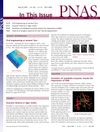
research In This Issue
Alexander the Great's engineers built a causeway using a natural sand bridge, some tiger moths avoid bats by mimicking toxic relatives' sounds, early metabolism and RNA enzymes support the ancient RNA world theory, and vitamin D is crucial for hair growth and its absence can cause baldness.
research Sequences and differential expression of three novel human type-II hair keratins
Hair differentiation starts earlier than thought, involving multiple type-II keratins.
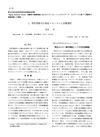
research Pathomechanism of androgenetic alopecia and new treatment
Male hormones can cause hair loss, but treatments like Minoxidil and Finasteride can help, and targeting TGF-B1 could be a future solution.

research Melatonin promotes hair regeneration by modulating the Wnt/β‐catenin signalling pathway
Melatonin helps hair grow by activating a specific signaling pathway.
research Clock genes, hair growth and aging
Circadian clock genes are important for hair growth and may affect aging-related hair loss and graying.
research Skin Transcriptome Analysis Identifies the Key Genes Underlying Fur Development in Chinese Tan Sheep in the Birth and Er-mao Periods
The FOS gene helps hair growth in Tan sheep.

research 1339 Casein kinase 1 inhibition in keratinocytes enhances the migration of melanocyte precursors in the hair follicle via KitL/c-Kit signaling pathway
Blocking casein kinase 1 in skin cells can help melanocyte precursors move better, potentially helping with conditions like vitiligo or gray hair.
research Segmented Heterochromia in Black Scalp Hair Associated With Iron-Deficiency Anemia
Iron deficiency can cause hair color changes, which can be reversed with iron supplements.
research The Effectiveness of Forensic Science in the Criminal Justice System - Tasmanian Institute of Law Enforcement Studies (TILES)
Korean adolescents with androgenetic alopecia often have a family history, milder symptoms than adults, and normal hormone levels.
research Edar Signaling in the Control of Hair Follicle Development
Edar signaling is crucial for proper hair follicle development and function.

research 1433 Epithelially derived, mitochondrial MPZL3 negatively regulates murine and human hair follicle cycling
A protein called MPZL3 in mitochondria slows down hair growth and could be a target for treating hair growth disorders.
research The origin of citrulline-containing proteins in the hair follicle and the chemical nature of trichohyalin, an intracellular precursor

research Exploring the Causal Relationship and Molecular Mechanisms Between Fasting Insulin and Androgenetic Alopecia: A Mendelian Randomization Study with Bioinformatics Analysis
Higher fasting insulin levels increase the risk of androgenetic alopecia.
research Cutaneous immunopathology of androgenetic alopecia
Inflammation may play a role in causing androgenetic alopecia.
research Gray Hair Repigmentation in Androgenetic Alopecia Under Oral Minoxidil

research P02 Accelerated ageing of hair follicles in androgenetic alopecia
Hair follicles in androgenetic alopecia age faster, especially in the front.
research Pathomechanism of androgenetic alopecia and new treatment
Male pattern baldness is caused by certain cells in hair follicles and could potentially be treated by targeting a specific growth factor, TGF-β1.
research The cell biology of human hair follicle pigmentation
We need more research on human hair follicle pigmentation, not just mouse models.