April 2024 in “International journal of molecular sciences” Combination pharmacotherapy is generally more effective for treating keloids and hypertrophic scars.
 February 2024 in “World journal of stem cells”
 Adipose-derived stem cells can help repair and improve eye tissues and appearance.
 January 2024 in “Authorea (Authorea)”
 Nanomaterials can significantly improve wound healing and future treatments may include smart, real-time monitoring.
 November 2023 in “Materials Today Bio”
 Light therapy might help treat hereditary hair loss by improving hair follicle growth in lab cultures.
 October 2023 in “Biomaterials”
 Nanotechnology could improve hair regrowth but faces challenges like complexity and safety concerns.
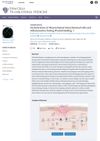 July 2023 in “Stem Cells Translational Medicine”
 Mesenchymal Stem/Stromal Cells (MSCs) help in wound healing and tissue regeneration, but can also contribute to tumor growth. They show promise in treating chronic wounds and certain burns, but their full healing mechanisms and potential challenges need further exploration.
 May 2023 in “Cytotherapy”
 Hair follicle and adipose cell vesicles both protect neurons and reduce inflammation similarly.
 January 2023 in “Journal of Cosmetics, Dermatological Sciences and Applications”
 The hair growth serum Trichosera® was effective in increasing hair regrowth and density and reducing hair fall without significant side effects.
November 2022 in “IntechOpen eBooks” Nanotechnology can improve wound healing by enhancing treatments and dressings.
April 2023 in “Chinese Medical Journal” Human hair follicle stem cells help repair tendon injuries.
January 2022 in “Aesthetic surgery journal” Extracellular vesicles may effectively treat hair loss with minimal side effects.
19 citations
,
August 2019 in “Journal of Cellular Biochemistry” ADSCs help protect skin from UV damage and aging.
 4 citations
,
September 2021 in “Biomolecules”
4 citations
,
September 2021 in “Biomolecules” Using Platelet-Rich Plasma and Adipose-Derived Mesenchymal Stem Cells together can improve healing, including wound healing, bone regeneration, and hair growth.
Combining Nanofat with PRP is a safe and effective treatment for female pattern hair loss.
 September 2019 in “Journal of Investigative Dermatology”
 Dermal Papilla Cells grown in 3D and with stem cells better mimic natural hair growth conditions than cells grown in 2D.
Higher levels of certain proteins in hair loss areas may help understand and treat hair loss.
 316 citations
,
June 2017 in “Stem Cell Research & Therapy”
316 citations
,
June 2017 in “Stem Cell Research & Therapy” Fat tissue-derived cells show promise for repairing body tissues, but more research and regulation are needed for safe use.
 222 citations
,
August 2009 in “Experimental Dermatology”
222 citations
,
August 2009 in “Experimental Dermatology” Stem cells are crucial for wound healing and understanding their role could lead to new treatments, but more research is needed to answer unresolved questions.
 132 citations
,
January 2017 in “International Journal of Molecular Sciences”
132 citations
,
January 2017 in “International Journal of Molecular Sciences” Fat-derived stem cells show promise for skin repair and reducing aging signs but need more research for consistent results.
 81 citations
,
December 2009 in “Journal of Dermatological Science”
81 citations
,
December 2009 in “Journal of Dermatological Science” Fat tissue stem cells may help increase hair growth.
69 citations
,
October 2014 in “Stem Cells” PDGF-D boosts stem cell growth and movement, enhancing hair regeneration.
53 citations
,
April 2016 in “Stem cell research & therapy” LL-37 helps stem cells grow and move, aiding tissue regeneration and hair growth.
52 citations
,
September 2017 in “Current Stem Cell Research & Therapy” Adipose-derived stem cells can help treat hair loss.
 43 citations
,
June 2016 in “Clinics in Plastic Surgery”
43 citations
,
June 2016 in “Clinics in Plastic Surgery” The conclusion is that fat grafting is safe and effective but carries risks that need careful management.
 40 citations
,
November 2019 in “Frontiers in Endocrinology”
40 citations
,
November 2019 in “Frontiers in Endocrinology” Metabolic Syndrome is linked to several skin conditions, and stem cell therapy might help treat them.
 36 citations
,
August 2011 in “Journal of Controlled Release”
36 citations
,
August 2011 in “Journal of Controlled Release” Genetically-altered adult stem cells can help in wound healing and are becoming crucial in regenerative medicine and drug design.
 35 citations
,
January 2014 in “Journal of Tissue Engineering”
35 citations
,
January 2014 in “Journal of Tissue Engineering” Cell-based therapies using dermal papilla cells and adipocyte lineage cells show potential for hair regeneration.
 31 citations
,
December 2014 in “Advances in Clinical and Experimental Medicine”
31 citations
,
December 2014 in “Advances in Clinical and Experimental Medicine” Stem cells could improve plastic surgery but are not widely used due to cost and safety concerns.
 30 citations
,
June 2017 in “Current stem cell research & therapy”
30 citations
,
June 2017 in “Current stem cell research & therapy” Adipose-derived stem cells (fat cells) show promise in treating hair loss in both men and women.
24 citations
,
November 2023 in “International Journal of Molecular Sciences” PRP and ADSC therapies show promise in improving symptoms of genital lichen sclerosus with minimal side effects.