February 2025 in “Gastroenterology” Corticosteroids improved symptoms in a man with Cronkhite-Canada Syndrome.
April 2018 in “Journal of Investigative Dermatology” Melanogenesis-related proteins may trigger immune responses in alopecia areata patients.
 January 2024 in “JAAD case reports”
 MSUD patients need careful monitoring of amino acids and zinc to prevent severe symptoms.
 290 citations
,
December 2017 in “Journal of The American Academy of Dermatology”
290 citations
,
December 2017 in “Journal of The American Academy of Dermatology” Alopecia areata is an autoimmune condition causing hair loss, influenced by genetics, stress, and diet, and may be prevented by a high soy oil diet.
1 citations
,
May 2023 in “The Journal of Immunology” CD4 T cells can cause alopecia areata by activating CD8 T cells to attack hair follicles.
 June 2023 in “Dermatology online journal”
 A person with thyroid problems had rare, swollen, bald spots on their scalp caused by a condition usually found on the shins.
 3 citations
,
July 2022 in “Indian journal of dermatology, venereology, and leprology”
3 citations
,
July 2022 in “Indian journal of dermatology, venereology, and leprology” Patients with alopecia areata have higher oxidative stress and lower antioxidant levels.
Defective protein folding due to a mutation is key in ANE syndrome.
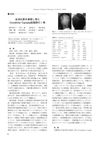 January 2014 in “Progress of Digestive Endoscopy”
 Prednisolone improved symptoms in a woman with Cronkhite-Canada syndrome, but regular screenings are needed due to cancer risk.
7 citations
,
January 2017 in “Neuromuscular Disorders” A rare autoimmune condition, Satoyoshi syndrome, can start in adults and improve with immunosuppressive treatment.
The paper concludes that the patchiness of alopecia areata is likely due to when the immune attack happens in the hair growth cycle.
January 2019 in “Lung India” A 68-year-old woman with lupus and blood disorders improved after increased steroids and immunoglobulin treatment.
2 citations
,
June 2003 in “American Journal of Dermatopathology” A unique case of skin cancer showed unusual calcification, possibly linked to calcium-binding proteins.
 32 citations
,
May 2012 in “PloS one”
32 citations
,
May 2012 in “PloS one” Thymic transplantation normalized some T-cells but not others, maintaining immune function.
9 citations
,
January 2002 in “Dermatology” Reduced CD44 expression may cause abnormal hyaluronate buildup in cutaneous myxoma.
April 2017 in “Journal of Investigative Dermatology” Reduced Stx17 expression may contribute to Alopecia Areata.
3 citations
,
January 2022 in “Modern Rheumatology Case Reports” Renal histology is crucial for diagnosing simultaneous SLE and IgG4RD.
9 citations
,
December 2012 in “Indian Journal of Dermatology Venereology and Leprology” Two sisters had rare, widespread cysts and complete hair loss, suggesting a genetic link.
 4 citations
,
January 2009 in “Indian Journal of Dermatology, Venereology and Leprology”
4 citations
,
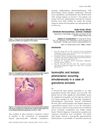
January 2009 in “Indian Journal of Dermatology, Venereology and Leprology” A patient with granuloma annulare experienced both isotopic and isomorphic responses, with skin lesions responding to steroids but relapsing after stopping treatment.
6 citations
,
March 2018 in “Proceedings - Baylor University. Medical Center” Sarcoidosis can cause severe high calcium levels, hair loss, and kidney failure.
 April 2024 in “JMR. Journal of molecular recognition/Journal of molecular recognition”
 Hydrophilic carbon dots cause one protein to clump more and prevent another from clumping.
January 2026 in “Pharmaceutics” Extracellular vesicles can worsen Alzheimer's but also offer potential for diagnosis and treatment.
 11 citations
,
May 1998 in “Child's nervous system”
11 citations
,
May 1998 in “Child's nervous system” A baby had a rare condition with abnormal blood vessels in the brain and unusual skin and hair growth, possibly a new syndrome.
 May 2025 in “The Journal of Rheumatology”
 Atypical symptoms in lupus can indicate different kidney issues.
 January 2012 in “Yearbook of Dermatology and Dermatologic Surgery”
 Alopecia areata is a hair loss condition that often starts before age 30 and can affect various body parts, with unpredictable hair regrowth chances.
1 citations
,
January 2008 20 citations
,
April 2000 in “Experimental dermatology” ODC transgenic mice can model human hair loss with skin lesions.
 December 2025 in “Frontiers in Immunology”
 Restoring nerve-macrophage communication may help treat autoimmune diseases.
1 citations
,
January 2015 in “Acta Dermato Venereologica” Autoimmune myopathy may be linked to hair loss and skin depigmentation.
 2 citations
,
November 2015 in “Endocrinology, Diabetes & Metabolism Case Reports”
2 citations
,
November 2015 in “Endocrinology, Diabetes & Metabolism Case Reports” A man with X-ALD improved after treatment, highlighting the need to consider X-ALD in similar patients and test their relatives.