January 2026 in “Experimental Dermatology” Skin-resident memory T cells may contribute to chronic alopecia areata and baricitinib could be a potential treatment.
August 2021 in “The journal of investigative dermatology/Journal of investigative dermatology” TAGX-0003 protected hair follicles and reversed alopecia areata in a mouse model.
 2 citations
,
January 2025 in “Pharmaceutical Research”
2 citations
,
January 2025 in “Pharmaceutical Research” Angelica gigas Nakai root extracts may help with cancer, pain, memory loss, and metabolic issues.
55 citations
,
May 1995 in “The journal of investigative dermatology/Journal of investigative dermatology” 3 citations
,
May 2025 in “Carbohydrate Polymers” The new microneedle patch effectively treats alopecia areata with fewer side effects than oral medication.
September 2024 in “Indian Journal of Dermatology Venereology and Leprology”  July 2023 in “Deleted Journal”
 Alopecia areata is the most common type of baldness treated with corticosteroids and minoxidil.
 July 2018 in “Our Dermatology Online”
 Alopecia areata does not affect areas with psoriasis plaques.
 March 2023 in “bioRxiv (Cold Spring Harbor Laboratory)”
 Scientists can now create skin with hair by reprogramming cells in wounds.
 February 2023 in “Acta Scientific Women s Health”
 New treatments like PBMC, G-CSF, and PRP show promise for helping with repeated implantation failure.
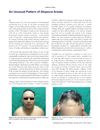 January 2014 in “International Journal of Trichology”
 A man had an unusual type of hair loss that didn't match known patterns and didn't improve with treatment.
 17 citations
,
September 2003 in “Journal of Investigative Dermatology Symposium Proceedings”
17 citations
,
September 2003 in “Journal of Investigative Dermatology Symposium Proceedings” Old treatments for other skin conditions showed promise for hair regrowth in mice with a hair loss condition.
14 citations
,
March 1994 in “Archives of Dermatology” A married couple both developed alopecia areata, possibly due to shared stress.
11 citations
,
February 2022 in “JAAD case reports” Abrocitinib, a JAK inhibitor, may help treat atopic dermatitis and alopecia universalis together.
 May 2025 in “Journal of medical and dental science research.”
 i-PRF and A-PRF are promising treatments for hair regrowth in androgenetic alopecia.
 12 citations
,
August 2019 in “Dermatitis”
12 citations
,
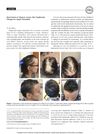
August 2019 in “Dermatitis” Dupilumab for skin problems might reactivate hair loss in some patients.
August 2022 in “Dermatologic Therapy” 4 citations
,
October 2024 in “Journal of the American Academy of Dermatology” Abrocitinib may help treat alopecia areata effectively with mild side effects.
 40 citations
,
December 2004 in “Dermatology”
40 citations
,
December 2004 in “Dermatology” Kenogen increases with hair loss in women.
September 2024 in “Journal of the American Academy of Dermatology” January 2026 in “Jurnal Akta Trimedika” Microneedling with PRP effectively improved hair growth and thickness in androgenic alopecia without side effects.
The treatment showed promising hair regrowth in advanced-stage hair loss.
January 2024 in “International Journal of Trichology” Recognizing perinevoid alopecia and concentric regrowth is important for diagnosing and treating alopecia areata.
November 2022 in “Journal of Investigative Dermatology” Minoxidil and PRP can help convert miniaturized hair follicles back to normal in male pattern baldness.
 25 citations
,
April 2007 in “Journal of The American Academy of Dermatology”
25 citations
,
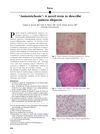
April 2007 in “Journal of The American Academy of Dermatology” The document suggests "anisotrichosis" as a new term for hair thickness variation in common baldness.
 6 citations
,
November 2017 in “Dermatologic Therapy”
6 citations
,
November 2017 in “Dermatologic Therapy” Combining mometasone furoate cream with adapalene gel is safer and more effective for hair regrowth in alopecia areata than using the cream alone.
 22 citations
,
July 2012 in “International Journal of Trichology”
22 citations
,
July 2012 in “International Journal of Trichology” Miniaturized hairs stay connected to muscle in alopecia areata, allowing possible regrowth, but not in androgenetic alopecia.