 4 citations
,
November 2009 in “Medical Clinics of North America”
4 citations
,
November 2009 in “Medical Clinics of North America” Stress, nutritional issues, and chronic diseases can cause hair loss, and nail changes may signal internal diseases; treatment focuses on the underlying cause.
 3 citations
,
July 2012 in “British journal of hospital medicine”
3 citations
,
July 2012 in “British journal of hospital medicine” The guide helps clinicians diagnose and manage hair loss, detailing examination techniques and treatments for different types of alopecia.
 3 citations
,
April 2012 in “Osteoporosis International”
3 citations
,
April 2012 in “Osteoporosis International” A woman experienced hair loss after taking strontium ranelate for osteoporosis.
 3 citations
,
January 2012 in “Elsevier eBooks”
3 citations
,
January 2012 in “Elsevier eBooks” The document says that there are treatments for hair and nail diseases.
 3 citations
,
January 1989 in “PubMed”
3 citations
,
January 1989 in “PubMed” The review found that specific changes in scalp tissue can help diagnose different types of hair loss.
 3 citations
,
October 1982 in “Postgraduate Medicine”
3 citations
,
October 1982 in “Postgraduate Medicine” Most types of hair loss can regrow naturally, but there are no effective cures for male pattern or age-related hair loss, and only limited options for females.
 2 citations
,
May 2022 in “Cutis”
2 citations
,
May 2022 in “Cutis” Taking too much Albendazole can cause hair loss and other serious side effects.
 2 citations
,
January 2021 in “Przegląd Dermatologiczny (1959)”
2 citations
,
January 2021 in “Przegląd Dermatologiczny (1959)” The article discusses various treatments for different types of non-scarring hair loss.
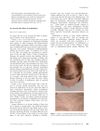 2 citations
,
March 2015 in “Clinical and Experimental Dermatology”
2 citations
,
March 2015 in “Clinical and Experimental Dermatology” Azathioprine can cause unusual hair loss, which may reverse after stopping the drug.
 2 citations
,
June 2004 in “PubMed”
2 citations
,
June 2004 in “PubMed” Carbamazepine caused hair loss in a man, which stopped after he stopped taking the drug.
 2 citations
,
July 1999 in “International Journal of Clinical Practice”
2 citations
,
July 1999 in “International Journal of Clinical Practice” Common baldness treatments include cosmetic methods, medication like minoxidil, and surgery, but no cure exists.
 2 citations
,
September 1980 in “Experientia”
2 citations
,
September 1980 in “Experientia” Polyethylene alanine caused hair loss in young lab animals but not in adults, with hair regrowth occurring within 20 days.
 1 citations
,
January 2021 in “Skin appendage disorders”
1 citations
,
January 2021 in “Skin appendage disorders” Chemotherapy patients don't all lose their hair due to factors like hair growth rates, age, genetics, and the type of drugs used.
 1 citations
,
May 2016 in “Current Opinion in Pediatrics”
1 citations
,
May 2016 in “Current Opinion in Pediatrics” Children's hair loss can be caused by various factors and should be treated with appropriate, age-specific methods and psychological support.
 1 citations
,
April 2016 in “Actas Dermo-Sifiliográficas”
1 citations
,
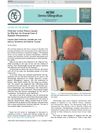
April 2016 in “Actas Dermo-Sifiliográficas” Wearing a wig caused a woman's skin condition to worsen due to pressure from the wig's fasteners.
 1 citations
,
February 2015 in “Clinical and Experimental Dermatology”
1 citations
,
February 2015 in “Clinical and Experimental Dermatology” A man got six skin cancers within a year after a cell transplant for leukemia but was cancer-free 32 months later; skin checks are important post-transplant.
1 citations
,
January 2014 Some drugs can cause temporary or permanent hair loss.
 1 citations
,
January 2013 in “Elsevier eBooks”
1 citations
,
January 2013 in “Elsevier eBooks” The document reviews various hair and nail disorders, their causes, and treatments, emphasizing the need for proper diagnosis and the link between nail changes and systemic diseases.
 1 citations
,
December 2010 in “InnovAiT”
1 citations
,
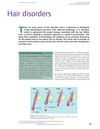
December 2010 in “InnovAiT” The document concludes that accurate diagnosis and appropriate management are crucial for treating various hair disorders, which have significant psychological impacts.
1 citations
,
January 2010 Many drugs can cause hair loss.
 1 citations
,
February 1988 in “The BMJ”
1 citations
,
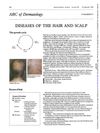
February 1988 in “The BMJ” The document explains different hair and scalp conditions, including common hair loss after pregnancy or illness, drug-induced hair loss, hereditary excessive hair growth, patterned baldness, autoimmune hair loss, and permanent loss due to skin disease, with generally limited treatment options.
December 2025 in “Medicine - Programa de Formación Médica Continuada Acreditado” Recent advancements in hair loss treatments include new therapies and insights for different types of alopecia.
 September 2024 in “PubMed”
 Hair loss can be treated based on its type and cause, improving quality of life.
 May 2024 in “Deleted Journal”
 Cancer treatments can cause hair loss, but it is often reversible and can be managed with scalp cooling and support.
 January 2023 in “Surgical & Cosmetic Dermatology”
 The patient quickly recovered from hair loss caused by DRESS syndrome using topical minoxidil.
 September 2022 in “Journal of The American Academy of Dermatology”
 Different types of hair loss are linked to COVID-19, with some types possibly increasing risk of getting the virus, while others may be triggered or worsened by the virus.

Taking too much Albendazole can cause hair loss and other serious side effects.
January 2022 in “Clinical Cases in Dermatology” Chemotherapy can cause significant but usually reversible hair loss, and managing it involves patient education and hair care strategies.
 December 2021 in “Consilium Medicum”
 The combined Selencin treatment effectively reduces hair loss and improves hair health after COVID-19.
 May 2021 in “Pakistan Journal of Medical and Health Sciences”
 Trichogram is useful for diagnosing hair disorders, but newer, non-invasive methods like trichoscopy are becoming more popular due to their sensitivity and ability to monitor treatment responses.