 12 citations
,
January 2007 in “Current problems in dermatology”
12 citations
,
January 2007 in “Current problems in dermatology” Environmental and cosmetic factors, including heat, chemicals, and sun exposure, can cause hair loss and damage.
11 citations
,
January 2015 in “PubMed” A specific laser treatment can promote hair growth in mice by increasing certain protein levels.
 9 citations
,
August 2014 in “European journal of ophthalmology”
9 citations
,
August 2014 in “European journal of ophthalmology” PGF2α receptors in human eyelids are found in specific parts of hair follicles, explaining eyelash changes with glaucoma treatment.
 7 citations
,
March 2018 in “Asian-Australasian journal of animal sciences”
7 citations
,
March 2018 in “Asian-Australasian journal of animal sciences” OCIAD2 and DCN genes affect hair growth in goats by having opposite effects on a growth signaling pathway and inhibiting each other.
7 citations
,
August 2008 in “Immunogenetics” A gene mutation in mice causes increased mast cells and disorganized hair follicles in their skin.
5 citations
,
March 2025 in “Pediatric Dermatology” Alopecia areata in children is caused by the immune system attacking hair follicles due to genetic factors.
 5 citations
,
November 2022 in “Journal of Ginseng Research/Journal of ginseng research”
5 citations
,
November 2022 in “Journal of Ginseng Research/Journal of ginseng research” Ginsenoside Re from Panax ginseng may prevent hair loss by maintaining autophagy and Wnt signaling in hair cells.
5 citations
,
July 2010 in “Archives of Internal Medicine” Prostaglandins may protect hair follicles during chemotherapy.
 4 citations
,
April 2016 in “Experimental Dermatology”
4 citations
,
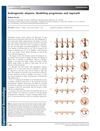
April 2016 in “Experimental Dermatology” AGA causes hair loss through follicle miniaturization and hair cycle changes; regrowth depends on anagen initiation in kenogen follicles.
4 citations
,
July 2024 in “Animals” A new depilation method using cold wax reduces injury and improves hair growth studies in mice.
 4 citations
,
September 2020 in “Frontiers in Microbiology”
4 citations
,
September 2020 in “Frontiers in Microbiology” Algal oligosaccharides help prevent hair loss and promote hair growth.
 4 citations
,
November 2009 in “Medical Clinics of North America”
4 citations
,
November 2009 in “Medical Clinics of North America” Stress, nutritional issues, and chronic diseases can cause hair loss, and nail changes may signal internal diseases; treatment focuses on the underlying cause.
 3 citations
,
April 2015 in “American journal of biomedical sciences”
3 citations
,
April 2015 in “American journal of biomedical sciences” Androgens play a key role in hair growth and disorders like baldness and excessive hairiness.
 3 citations
,
February 2014 in “Dong-ui saengni byeongni hakoeji”
3 citations
,
February 2014 in “Dong-ui saengni byeongni hakoeji” Microneedle roller therapy could help treat hair loss by promoting hair growth.
 3 citations
,
July 2019 in “International journal of scientific research in science and technology”
3 citations
,
July 2019 in “International journal of scientific research in science and technology” Herbal hair gel with fenugreek seed extract was found to increase hair growth.
 2 citations
,
October 2018 in “Archives of Dermatological Research”
2 citations
,
October 2018 in “Archives of Dermatological Research” Tofacitinib helps mice grow more hair by increasing noggin and BMP4 levels, possibly better than minoxidil.
 1 citations
,
May 2017 in “InTech eBooks”
1 citations
,
May 2017 in “InTech eBooks” Hair loss in Androgenetic alopecia (AGA) is due to altered cell sensitivity to hormones, not increased hormone levels. Hair growth periods shorten over time, causing hair to become thinner and shorter. This is linked to miscommunication between cell pathways in hair follicles. There's also a change in gene expression related to blood vessels and cell growth in balding hair follicles. The exact molecular causes of AGA are still unclear.
 1 citations
,
July 2016 in “Livestock science”
1 citations
,
July 2016 in “Livestock science” Nerve growth factor helps cashmere goat hair cells grow and is more active during the hair growth phase.
 1 citations
,
December 2010 in “InnovAiT”
1 citations
,
December 2010 in “InnovAiT” The document concludes that accurate diagnosis and appropriate management are crucial for treating various hair disorders, which have significant psychological impacts.
 1 citations
,
March 2019 in “Journal of Drug Delivery and Therapeutics”
1 citations
,
March 2019 in “Journal of Drug Delivery and Therapeutics” The petroleum ether extract of Abrus precatorius leaf was found to promote hair growth effectively, similar to a common hair growth treatment.
July 2026 in “Anais Brasileiros de Dermatologia” AGA and SD share similar features, making diagnosis challenging.
Poly-D,L-lactic acid boosts hair growth in aged skin by activating hair follicle stem cells.
 October 2025 in “Gene Expression”
 Exosome therapy could be a promising new way to treat hair loss.
August 2025 in “Regenerative Therapy” Exosomes from platelet-rich plasma can help regrow hair by reducing oxidative stress.
 April 2024 in “Bioactive materials”
 New microneedle treatment with growth factors and a hair loss drug shows better and faster hair growth results than current treatments.
 June 2024 in “International journal of molecular sciences”
 Adenosine complex helps increase hair thickness and density in hair loss.
 March 2024 in “Tissue and cell/Tissue & cell”
 Telomerase-positive cells are mainly in the bulb matrix and outer root sheath of hair follicles.
 July 2016 in “Indian journal of science and technology”
 Neonate scalp hair is thinner, lacks a medulla, and has smaller follicles compared to adult hair.
 January 2012 in “Journal of Natural Remedies”
 The Abrus precatorius extract can effectively promote hair growth similar to standard treatments.
 October 2013 in “Journal of Medicinal Plants Research”
 The herbal cleanser increased hair growth in rats without harming their skin.