7 citations
,
June 2012 in “Journal of dairy science” Bovine milk fats applied to mouse skin can promote hair growth similar to known hair growth treatments.
 5 citations
,
November 2022 in “Journal of Ginseng Research/Journal of ginseng research”
5 citations
,
November 2022 in “Journal of Ginseng Research/Journal of ginseng research” Ginsenoside Re from Panax ginseng may prevent hair loss by maintaining autophagy and Wnt signaling in hair cells.
 5 citations
,
February 2013 in “Dermatology and therapy”
5 citations
,
February 2013 in “Dermatology and therapy” Crescina® lotion helps reduce hair loss and increase hair growth in males with androgenetic alopecia.
 2 citations
,
February 2019 in “Journal of Investigative Dermatology”
2 citations
,
February 2019 in “Journal of Investigative Dermatology” Higher levels of the DP2 receptor may lead to hair loss.
 2 citations
,
January 2000 in “Elsevier eBooks”
2 citations
,
January 2000 in “Elsevier eBooks” The document explains how hair is studied in forensics to identify its source and its role in criminal investigations.
1 citations
,
August 2016 in “Pan Stanford Publishing Pte. Ltd. eBooks” Low-level light therapy can help with hair growth and preventing hair loss.

The study found that different genes are active in cashmere goats' hair growth stages, which can help improve cashmere production.
March 2022 in “International Journal of Trichology” Erlotinib can cause unusual hair growth, like long eyelashes and facial hair.
 May 2020 in “Research Square (Research Square)”
 Stress hormone CRF causes hair loss and inhibits hair growth in human cells.
 January 2020 in “Research Square (Research Square)”
 Stress hormone CRF causes hair loss and stops hair cell growth.
 September 2019 in “The journal of investigative dermatology/Journal of investigative dermatology”
 Mouse skin glands need healthy nerves to grow properly during hair growth phases.
 July 2016 in “Experimental Dermatology”
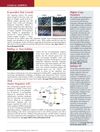
 New treatments for hair growth and psoriasis may be possible, and gene differences could affect baldness and the severity of skin conditions.
 July 2016 in “Journal of Investigative Dermatology”
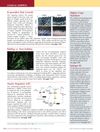
 R-spondin2 may help treat hair loss, gene differences could explain baldness, a peptide's regulation is linked to psoriasis, B-defensin gene copies may affect a skin condition's risk and severity, and potential markers and targets for alopecia areata were identified.
 April 2016 in “Journal of Investigative Dermatology”
 Blocking Prostaglandin D₂ (PGD₂) could help treat hair loss.
 June 2010 in “Melanoma research”
 LDE225 is a promising skin-applied treatment for basal cell carcinoma with good skin penetration and effectiveness.
Metabolic processes and key genes like FGF5, FGFR1, and RRAS significantly affect hair follicle growth in Inner Mongolian Cashmere goats.
January 2002 in “Europe PMC (PubMed Central)” The model successfully simulates human hair growth and patterns, including hair loss types.
 April 2023 in “Journal of Investigative Dermatology”
 Exosomes from certain stem cells can fight hair loss by promoting hair growth and maintaining the growth phase of hair.
 499 citations
,
September 2011 in “Cell”
499 citations
,
September 2011 in “Cell” Fat-related cells are important for initiating hair growth.
450 citations
,
January 2005 in “The journal of investigative dermatology/Journal of investigative dermatology” Hair color is determined by melanin produced and transferred in hair follicles.
414 citations
,
August 2005 in “Nature” Activating TERT in mice skin boosts hair growth by waking up hair follicle stem cells.
 401 citations
,
January 2013 in “Postepy Dermatologii I Alergologii”
401 citations
,
January 2013 in “Postepy Dermatologii I Alergologii” The paper concludes that understanding melanocyte development can help in insights into skin diseases and melanoma diversity.
 277 citations
,
July 2011 in “Journal of the Dermatology Nurses’ Association”
277 citations
,
July 2011 in “Journal of the Dermatology Nurses’ Association” The skin's layers protect, sense, and regulate the body's internal balance, but can be prone to cancer.
 149 citations
,
March 2004 in “Journal of Dermatological Science”
149 citations
,
March 2004 in “Journal of Dermatological Science” Minoxidil boosts hair growth by increasing cell production and survival.
142 citations
,
June 2003 in “The journal of investigative dermatology. Symposium proceedings/The Journal of investigative dermatology symposium proceedings” Hair follicle stem cells can generate all hair cell types, skin, and sebaceous glands.
140 citations
,
December 1998 in “Journal of Investigative Dermatology” Apoptosis in hair follicles varies by growth phase, with TGF-β possibly starting the catagen phase.
137 citations
,
April 2001 in “Journal of Clinical Investigation” Alopecia in these mice is caused by defective hair cycle communication due to missing vitamin D receptor function, not vitamin D levels.
 131 citations
,
March 2004 in “The American journal of pathology”
131 citations
,
March 2004 in “The American journal of pathology” Modulating BMP activity changes the number, size, shape, and type of ectodermal organs.
130 citations
,
December 1998 in “The journal of investigative dermatology/Journal of investigative dermatology” Hair follicle melanocytes die during hair regression.
 127 citations
,
January 2013 in “PLOS ONE”
127 citations
,
January 2013 in “PLOS ONE” Probiotic bacteria improved skin and hair health in aged mice.