 18 citations
,
December 2009 in “Canadian Journal of Animal Science”
18 citations
,
December 2009 in “Canadian Journal of Animal Science” The BMP2 gene is more active in the early growth phase of Cashmere goat hair and may affect hair regeneration and textile production.
 13 citations
,
July 2004 in “Skinmed”
13 citations
,
July 2004 in “Skinmed” Common types of non-scarring hair loss have various causes and treatments, but more effective solutions are needed.
 10 citations
,
January 2013 in “Journal of The European Academy of Dermatology and Venereology”
10 citations
,
January 2013 in “Journal of The European Academy of Dermatology and Venereology” The home-use IPL device effectively reduced hair and delayed its regrowth after six months of use, with users happy and no negative side effects.
 6 citations
,
November 2010 in “Histochemistry and cell biology”
6 citations
,
November 2010 in “Histochemistry and cell biology” The proteins transthyretin and megalin are more present in the growth phase of hair, suggesting they might affect hair health and growth.
 6 citations
,
August 2007 in “Journal of Surgical Research”
6 citations
,
August 2007 in “Journal of Surgical Research” Mice genetically modified to produce more Del1 protein had faster hair regrowth.
 5 citations
,
November 2015 in “International Journal of Radiation Biology”
5 citations
,
November 2015 in “International Journal of Radiation Biology” Gamma-ray exposure can cause long-lasting damage to hair follicles, affecting hair structure and color.
 3 citations
,
February 2005 in “Aktuelle Dermatologie”
3 citations
,
February 2005 in “Aktuelle Dermatologie” Prolactin and TGF-β receptor blockers might help treat hair loss.
 2 citations
,
October 2018 in “Archives of Dermatological Research”
2 citations
,
October 2018 in “Archives of Dermatological Research” Tofacitinib helps mice grow more hair by increasing noggin and BMP4 levels, possibly better than minoxidil.
 1 citations
,
April 2019 in “The journal of investigative dermatology/Journal of investigative dermatology”
1 citations
,
April 2019 in “The journal of investigative dermatology/Journal of investigative dermatology” Melanocyte-associated antigens may play a key role in alopecia areata and could be targets for new treatments.
 1 citations
,
June 2017 in “Nature Reviews Immunology”
1 citations
,
June 2017 in “Nature Reviews Immunology” Immune cells called Treg cells are essential for hair growth and regeneration.
 1 citations
,
January 2015 in “Actas dermo-sifiliográficas/Actas dermo-sifiliográficas”
1 citations
,
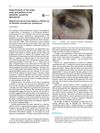
January 2015 in “Actas dermo-sifiliográficas/Actas dermo-sifiliográficas” Latanoprost eye drops caused excessive cheek hair growth and eyelash whitening in a woman.
 March 2023 in “Scientific reports”
 Hair growth-related cells need the enzyme SCD1 to help maintain the area that supports hair growth.
 September 2016 in “Journal of Dermatological Science”
 Wnt-10b is important for keeping mouse skin cells healthy for hair growth.
 July 2016 in “Experimental Dermatology”
 New treatments for hair growth and psoriasis may be possible, and gene differences could affect baldness and the severity of skin conditions.
 July 2016 in “Journal of Investigative Dermatology”
 R-spondin2 may help treat hair loss, gene differences could explain baldness, a peptide's regulation is linked to psoriasis, B-defensin gene copies may affect a skin condition's risk and severity, and potential markers and targets for alopecia areata were identified.
November 2013 in “Institutional Repositories DataBase (IRDB)” Gamma-ray exposure during hair rest phase harms hair growth and color in mice.
 September 1997 in “JEADV. Journal of the European Academy of Dermatology and Venereology/Journal of the European Academy of Dermatology and Venereology”
 Anti-IL-1 treatments might help with certain types of hair loss in people with high inflammation.
 September 1997 in “JEADV. Journal of the European Academy of Dermatology and Venereology/Journal of the European Academy of Dermatology and Venereology”
 Blocking IL-1 could help treat some hair loss conditions; alopecia affects liver detox systems; spironolactone is better than finasteride for female hair growth; focusing on the catagen hair phase could lead to new alopecia treatments.
 July 1995 in “Journal of Dermatological Science”
 Cyclosporine starts hair growth faster, while minoxidil makes it last longer.
 127 citations
,
January 2013 in “PLOS ONE”
127 citations
,
January 2013 in “PLOS ONE” Probiotic bacteria improved skin and hair health in aged mice.
 3 citations
,
January 2019 in “Journal of Cutaneous and Aesthetic Surgery”
3 citations
,
January 2019 in “Journal of Cutaneous and Aesthetic Surgery” Scalp and beard hair survive best in hair transplants, but the procedure needs high skill and takes longer.
 3 citations
,
July 2012 in “British journal of hospital medicine”
3 citations
,
July 2012 in “British journal of hospital medicine” The guide helps clinicians diagnose and manage hair loss, detailing examination techniques and treatments for different types of alopecia.
 April 2016 in “Journal of Investigative Dermatology”
 Autophagy, a cell recycling process, is crucial for prolonged hair growth and could be a potential target for treating hair growth disorders.
The document concludes that hair loss in women is complex, often linked to aging, health conditions, and nutritional deficiencies, and emotional impacts should not be underestimated.
 396 citations
,
May 2011 in “Cell stem cell”
396 citations
,
May 2011 in “Cell stem cell” Nerve signals are crucial for hair follicle stem cells to become skin stem cells and help in wound healing.
 277 citations
,
June 2003 in “The journal of investigative dermatology. Symposium proceedings/The Journal of investigative dermatology symposium proceedings”
277 citations
,
June 2003 in “The journal of investigative dermatology. Symposium proceedings/The Journal of investigative dermatology symposium proceedings” Epithelial-mesenchymal interactions control hair growth cycles through specific molecular signals.
 224 citations
,
March 2006 in “Seminars in Cutaneous Medicine and Surgery”
224 citations
,
March 2006 in “Seminars in Cutaneous Medicine and Surgery” The document concludes that understanding hair follicle biology can lead to better hair loss treatments.
 162 citations
,
August 2002 in “Survey of Ophthalmology”
162 citations
,
August 2002 in “Survey of Ophthalmology” Latanoprost can make eyelashes longer, thicker, and darker.
 130 citations
,
August 2015 in “Experimental Dermatology”
130 citations
,
August 2015 in “Experimental Dermatology” Human hair follicle organ culture is a useful model for hair research with potential for studying hair biology and testing treatments.
 109 citations
,
December 1998 in “The Journal of Dermatology”
109 citations
,
December 1998 in “The Journal of Dermatology” Manipulating the catagen and telogen phases of hair growth could lead to treatments for hair disorders.