 1 citations
,
July 2021 in “Anais Brasileiros de Dermatologia”
1 citations
,
July 2021 in “Anais Brasileiros de Dermatologia” The conclusion is that three signs can help diagnose hair loss after it happens, potentially avoiding more invasive tests.

Non-invasive methods can effectively diagnose and manage alopecia areata.

The article concludes that understanding the causes of hair loss and using continuous treatments like minoxidil and finasteride can help manage it, despite potential side effects.
 1 citations
,
December 2022 in “Journal of cosmetic dermatology”
1 citations
,
December 2022 in “Journal of cosmetic dermatology” The combination of vitamin D analogues with potent steroids is a favorable treatment for alopecia areata with fewer side effects.
12 citations
,
January 2020 in “Indian Dermatology Online Journal” Female pattern hair loss has multiple causes and treatments, with new therapies showing promise.
 July 2025 in “Clinical Cosmetic and Investigational Dermatology”
 PRP therapy effectively improves hair density and reduces hair loss in androgenetic alopecia.
 January 2025 in “Annals of Maxillofacial Surgery”
 PRP therapy is more effective and preferred over minoxidil for hair loss.
 July 2024 in “Berkala Ilmu Kesehatan Kulit dan Kelamin”
 Proper diagnosis and treatment of hair loss in children are crucial to prevent lasting issues and maintain their quality of life.
 May 2024 in “Journal of Cosmetic and Laser Therapy”
 Injectable platelet-rich fibrin improves hair growth and reduces hair loss in women.
 January 2024 in “JCPSP. Journal of the College of Physicians & Surgeons Pakistan”
 PRP therapy is more effective than minoxidil for treating hair loss from androgenetic alopecia.
PRP treatment mildly to moderately improves hair loss in most men with AGA.
July 2004 in “Indian Journal of Dermatology” Finasteride effectively and safely improves hair growth in young men with hair loss.
18 citations
,
January 2019 in “International Journal of Trichology” PRP therapy works better than minoxidil for treating hair loss.
 September 2024 in “International Journal of Research in Dermatology”
 Combining PRP with minoxidil and finasteride is the most effective treatment for male hair loss.
 June 2024 in “Indian Dermatology Online Journal”
 Topical tofacitinib is effective and safe for treating alopecia areata.
 January 2024 in “Annals of Agricultural and Environmental Medicine”
 Red LED light therapy helps reduce hair loss and improves hair regrowth in long COVID patients.
 May 2023 in “Journal of Clinical Medicine”
 New understanding and treatments for hair loss are improving, but more research is needed.
PRP with microneedling is more effective than PRP alone for treating hair loss.
 24 citations
,
August 2020 in “AJGP”
24 citations
,
August 2020 in “AJGP” A woman's sudden hair loss was linked to her previous COVID-19 infection.
May 2025 in “International Journal of Trichology” The supplement improved hair health and reduced shedding in people with telogen effluvium.
 5 citations
,
March 2001 in “Journal of biomechanics”
5 citations
,
March 2001 in “Journal of biomechanics” Growing hairs are easier to pull out than resting hairs due to different anchorage strengths.
 31 citations
,
October 2010 in “Journal of the European Academy of Dermatology and Venereology”
31 citations
,
October 2010 in “Journal of the European Academy of Dermatology and Venereology” Some people with heavy hair shedding might actually have a hidden form of alopecia, which can be identified by specific hair changes.
 45 citations
,
March 2010 in “Journal der Deutschen Dermatologischen Gesellschaft”
45 citations
,
March 2010 in “Journal der Deutschen Dermatologischen Gesellschaft” A systematic approach is crucial for managing hair loss in women.
 2 citations
,
April 2016 in “Más dermatología”
2 citations
,
April 2016 in “Más dermatología” The supplement with Serenoa repens and Pygeum africanum significantly increased active hair growth and decreased rest phase hair in post-menopausal women with hair loss, with only mild digestive side effects.
 11 citations
,
January 2014 in “The Scientific World Journal”
11 citations
,
January 2014 in “The Scientific World Journal” Cynatine HNS improves hair and nail quality in 90 days.
 83 citations
,
May 1999 in “International Journal of Dermatology”
83 citations
,
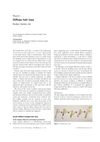
May 1999 in “International Journal of Dermatology” Hair loss that spreads out can often fix itself or be treated by finding and handling the cause.
 April 2024 in “Dermatovenerologiâ, kosmetologiâ”
 Telogen effluvium is a common hair loss condition that can be managed with proper treatment and addressing underlying issues.
 June 2018 in “Advances in Cosmetic Surgery”
 Hair loss caused by genetics and hormones; more research needed for treatments.
 53 citations
,
May 1995 in “Journal of The American Academy of Dermatology”
53 citations
,
May 1995 in “Journal of The American Academy of Dermatology” Syphilis can cause hair loss that looks like other conditions, but it improves with treatment.

A genetic variant in the KRT71 gene may cause loose anagen hair and wooly hair, and symptoms might improve with age.