 February 2009 in “Springer eBooks”
 Pregnancy can cause more body and scalp hair growth and make nails brittle, but these changes often revert after giving birth.
81 citations
,
March 2006 in “Journal of Investigative Dermatology” Mutations in the DSG4 gene cause specific hair and scalp issues.
 19 citations
,
September 2019 in “EMBO molecular medicine”
19 citations
,
September 2019 in “EMBO molecular medicine” Blocking TSLP reduces skin inflammation and cell overgrowth in psoriasis.
Non-invasive methods can effectively diagnose and manage alopecia areata.
 28 citations
,
July 2002 in “Australasian Journal of Dermatology”
28 citations
,
July 2002 in “Australasian Journal of Dermatology” Lupus can look like hair loss from alopecia areata but needs different treatment.
 January 2007 in “Elsevier eBooks”
 Alopecia areata is a reversible, autoimmune-related hair loss that can have significant emotional impact and uncertain treatment effectiveness.
 7 citations
,
May 1978 in “International Journal of Dermatology”
7 citations
,
May 1978 in “International Journal of Dermatology” Recent hair loss research shows some progress, especially in understanding male pattern baldness, but effective treatments for many types of hair loss are still lacking.
 34 citations
,
July 2010 in “Expert Opinion on Drug Delivery”
34 citations
,
July 2010 in “Expert Opinion on Drug Delivery” The document concludes that there is no agreed-upon best method for measuring drug delivery within hair follicles and more research is needed to validate current techniques.
 1 citations
,
October 2018 in “InTech eBooks”
1 citations
,
October 2018 in “InTech eBooks” The document concludes that treatments for cicatricial alopecia are not well-supported by evidence, but hair transplantation shows more predictable and satisfactory results.
 September 2023 in “Çukurova medical journal (Online)/Çukurova medical journal”
 EZH2 levels decrease as fetuses develop and are higher in adult skin, which may affect skin growth and repair.
 4 citations
,
August 2017 in “International journal of molecular sciences”
4 citations
,
August 2017 in “International journal of molecular sciences” The conclusion is that Pigmented Epithelioid Melanocytoma can start from hair follicle stem cells or from a mole on the skin.
 13 citations
,
May 1993 in “International Journal of Dermatology”
13 citations
,
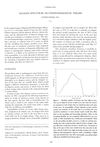
May 1993 in “International Journal of Dermatology” The paper suggests that telogen effluvium, a type of hair loss, may be a long-lasting condition triggered by stress or illness in people whose hair growth is unusually synchronized.
 9 citations
,
October 1988 in “Clinics in Dermatology”
9 citations
,
October 1988 in “Clinics in Dermatology” Hair loss is caused by genetics and hormones, diagnosed through examination and biopsy, and treated with medications or surgery.
 5 citations
,
March 2004 in “Journal of The American Academy of Dermatology”
5 citations
,
March 2004 in “Journal of The American Academy of Dermatology” Patients with systemic lupus erythematosus and hair loss had non-scarring alopecia with fewer hair follicles, and direct immunofluorescence did not help identify lupus.
 March 2004 in “Journal of The American Academy of Dermatology”
 Patients with systemic lupus erythematosus and hair loss had fewer hair follicles and non-scarring alopecia; direct immunofluorescence was not helpful in diagnosing lupus in these cases.
 13 citations
,
January 2010 in “Advances in Biochemical Engineering / Biotechnology”
13 citations
,
January 2010 in “Advances in Biochemical Engineering / Biotechnology” Understanding hair biology is key to developing better treatments for hair and scalp issues.
 December 2025 in “International Journal of Pharmaceutical Sciences Review and Research”
 The herbal hair oil is safe and beneficial for scalp and hair health.
 8 citations
,
July 2007 in “International Journal of Dermatology”
8 citations
,
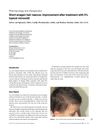
July 2007 in “International Journal of Dermatology” Using 5% topical minoxidil improved and normalized the hair growth in a girl with short anagen hair naevus.
 6 citations
,
June 2013 in “British Journal of Dermatology”
6 citations
,
June 2013 in “British Journal of Dermatology” Intense pulsed light treatment mainly damages pigmented hair parts but spares stem cells, allowing hair to regrow.
 60 citations
,
February 1997 in “Journal of Dermatological Science”
60 citations
,
February 1997 in “Journal of Dermatological Science” Liposomes can safely and effectively deliver substances to mouse hair follicles, potentially useful for human hair treatments.
 96 citations
,
October 2000 in “The FASEB Journal”
96 citations
,
October 2000 in “The FASEB Journal” The p75 neurotrophin receptor is important for hair follicle regression by controlling cell death.
Hair loss is caused by hormonal changes that shorten hair growth phases and shrink hair follicles.
 April 2023 in “Journal of Investigative Dermatology”
 IL-9/IL-9R signaling can negatively affect human hair growth and may be a target for treating hair loss conditions.
 July 2025 in “The FASEB Journal”
 Human amniotic stem cell exosomes may effectively treat hair loss by promoting hair regrowth.
July 2025 in “Journal of Drug Delivery Science and Technology” Hydrogel microneedles with special nanoparticles and growth factor improve hair growth better than minoxidil for hair loss treatment.
 January 2026 in “Current Issues in Molecular Biology”
 FGF-7 helps hair grow by activating hair follicles and is a promising target for hair loss treatments.
 1 citations
,
April 2018 in “Our Dermatology Online”
1 citations
,
April 2018 in “Our Dermatology Online” Massaging the scalp with a cosmetic containing certain natural inhibitors can significantly regrow hair in men with pattern baldness.
 April 2024 in “Bioactive materials”
 New microneedle treatment with growth factors and a hair loss drug shows better and faster hair growth results than current treatments.
 February 2024 in “International Journal of Pharmaceutics”
 A new hair loss treatment combining minoxidil and cedrol improves hair growth and reduces side effects.
September 2021 in “CRC Press eBooks” Traumatic alopecia causes hair loss from pulling or rubbing, leading to broken hairs and changes in the scalp.