5 citations
,
March 2025 in “Pediatric Dermatology” Alopecia areata in children is caused by the immune system attacking hair follicles due to genetic factors.
 October 2020 in “Our Dermatology Online”
 Skin changes and high vitamin B12 levels can be early signs of cancer.
 8 citations
,
January 2014 in “BioMed Research International”
8 citations
,
January 2014 in “BioMed Research International” Eclipta alba extract was found to be effective in promoting hair growth in hairless mice.
148 citations
,
September 2003 in “Journal of Investigative Dermatology Symposium Proceedings” Alopecia areata is an autoimmune disorder causing hair loss, linked to specific hair follicle antigens and genetic factors.
36 citations
,
August 2023 in “Journal of Investigative Dermatology” Understanding the hair growth cycle in mice is crucial for accurate research, as it affects study results and requires careful timing and methods.
2 citations
,
January 2023 in “Frontiers in Genetics” Overexpressing ovine β-catenin in mice skin increases hair follicle density and growth.
 April 2024 in “Bioactive materials”
 New microneedle treatment with growth factors and a hair loss drug shows better and faster hair growth results than current treatments.
 8 citations
,
August 1997 in “Australasian Journal of Dermatology”
8 citations
,
August 1997 in “Australasian Journal of Dermatology” Most HIV patients develop skin symptoms that can indicate the stage of their disease.
20 citations
,
February 2018 in “Cell transplantation” Cinnamomum osmophloeum leaf extract may help treat hair loss by promoting hair growth and increasing hair cell proliferation.
3 citations
,
January 2020 in “Indian Journal of Dermatology” Certain gene variations in the Vitamin D Receptor are linked to higher risk of female hair loss.
 16 citations
,
October 2016 in “The Journal of Dermatology”
16 citations
,
October 2016 in “The Journal of Dermatology” Superficial cryotherapy is effective and safe for treating alopecia areata, with better results when used early and frequently.
 April 2012 in “Informa Healthcare eBooks”
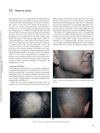
 Alopecia areata is a common autoimmune condition causing varying hair loss, diagnosed by specific patterns of inflammation around hair follicles, with several treatment options available.
 25 citations
,
September 2010 in “Journal of Cutaneous Medicine and Surgery”
25 citations
,
September 2010 in “Journal of Cutaneous Medicine and Surgery” The study found that Central Centrifugal Cicatricial Alopecia mainly affects middle-aged African descent women, is linked to certain hair care practices and genetics, and often goes undiagnosed for years.
 38 citations
,
January 2009 in “Journal of Cutaneous Medicine and Surgery”
38 citations
,
January 2009 in “Journal of Cutaneous Medicine and Surgery” A woman developed hair loss after starting a treatment with adalimumab, suggesting this medication might cause hair loss.
 November 2015 in “European Journal of Inflammation”
 Cicatricial alopecia, a permanent hair loss condition, is mainly caused by damage to specific hair follicle stem cells and abnormal immune responses, with gene regulator PPAR-y and lipid metabolism disorders playing significant roles.
114 citations
,
August 2002 in “Journal of Investigative Dermatology” Alopecia areata is caused by an immune response, and targeting immune cells might help treat it.

TLR2 helps control hair growth and regeneration, and its reduction with age or obesity can impair hair growth.
86 citations
,
May 2002 in “Journal of Investigative Dermatology” A new keratin, hK6irs1, is found in all layers of the hair follicle's inner root sheath.
 13 citations
,
December 2016 in “Journal of Cosmetic Dermatology”
13 citations
,
December 2016 in “Journal of Cosmetic Dermatology” Oxidative stress increases in early hair loss, and family history plays a role; antioxidants may help future treatments.
 120 citations
,
November 2014 in “Biological Reviews”
120 citations
,
November 2014 in “Biological Reviews” The telogen phase of hair growth is active and important for preparing hair follicles for regeneration, not just a resting stage.
 113 citations
,
November 2017 in “Scientific Reports”
113 citations
,
November 2017 in “Scientific Reports” Tiny particles from stem cells help activate hair growth cells and encourage hair growth in mice without being toxic.
 35 citations
,
February 2019 in “Cell Communication and Signaling”
35 citations
,
February 2019 in “Cell Communication and Signaling” BMP6 and Wnt10b control whether hair follicles are resting or growing.
 20 citations
,
November 2019 in “Stem Cells”
20 citations
,
November 2019 in “Stem Cells” Hes1 protein is important for hair growth and regeneration, and could be a potential treatment for hair loss.
 16 citations
,
May 2013 in “Australasian Journal of Dermatology”
16 citations
,
May 2013 in “Australasian Journal of Dermatology” Hair loss in Cronkhite-Canada syndrome is reversible by treating the gut issues and doesn't need steroid treatment for the hair itself.
 61 citations
,
January 2013 in “Indian Journal of Dermatology, Venereology and Leprology”
61 citations
,
January 2013 in “Indian Journal of Dermatology, Venereology and Leprology” Hair usually grows back 1-3 months after treatment for anagen effluvium, and children with Loose Anagen Hair Syndrome often improve by adolescence.
 37 citations
,
October 2013 in “PLoS ONE”
37 citations
,
October 2013 in “PLoS ONE” MicroRNAs play a key role in wool growth in Tibetan sheep.
 April 2024 in “International journal of research in dermatology”
 Azathioprine can cause hair loss and matted hair.
 April 2017 in “Journal of Investigative Dermatology”
 Blocking JAK-STAT5 signaling in mice leads to hair growth.
 130 citations
,
January 1994 in “Differentiation”
130 citations
,
January 1994 in “Differentiation” Mouse hair follicle cells briefly grow during the early hair growth phase, showing that these cells are important for starting the hair cycle.
 40 citations
,
January 2010 in “International Journal of Trichology”
40 citations
,
January 2010 in “International Journal of Trichology” Loose Anagen Syndrome is a hair condition where hairs can be easily pulled out, mainly affecting young girls, and may improve on its own or with treatment.