5 citations
,
February 2012 in “Australasian Journal of Dermatology” Two red-haired men with alopecia areata regrew black hair instead of red.
 6 citations
,
May 2006 in “Skinmed”
6 citations
,
May 2006 in “Skinmed” Androgens contribute to common male hair loss; more research needed for hair growth medication.
 1 citations
,
October 2020 in “Journal of Cosmetic Dermatology”
1 citations
,
October 2020 in “Journal of Cosmetic Dermatology” Possible link between hair loss and metabolic syndrome, with RANTES as a potential clue.
 31 citations
,
January 2003 in “Dermatology”
31 citations
,
January 2003 in “Dermatology” Steroidogenic isoenzymes may help improve treatments for common hair loss.
January 2022 in “Clinical Cases in Dermatology” Chemotherapy can cause significant but usually reversible hair loss, and managing it involves patient education and hair care strategies.
 April 2024 in “Biomedicine & pharmacotherapy”
 Pilose antler extract helps hair grow in mice with a type of hair loss by speeding up the growth phase.
6 citations
,
January 2004 in “Der Hautarzt”  November 1995 in “Journal of Pediatric Health Care”
 Most hair loss in kids and teens is due to common conditions, and hair usually grows back within 6 months.
 June 2023 in “Frontiers in Medicine”
 Protein tyrosine kinases are key in male pattern baldness, affecting skin structure, hair growth, and immune responses.
 September 2017 in “Majallah-i taḥqīqāt-i ̒ulūm-i pizishkī-i Zāhidān”
 Androgenetic alopecia is a long-term, immune-related disorder that starts during puberty due to androgen secretion, and it might be improved with iron tablets, platelet transfusion, and anti-inflammation therapy.
 November 2022 in “The journal of investigative dermatology/Journal of investigative dermatology”
 Researchers made a detailed map of gene activity for different parts of human hair follicles to help create targeted hair disorder treatments.
 April 2024 in “Journal of the American Academy of Dermatology”
 Low-dose minoxidil helps hair grow longer and thicker in people with short anagen syndrome.
 July 2023 in “International journal of dermatology, venereology and leprosy sciences”
 Current treatments for common male hair loss have limited effectiveness and can cause side effects.
 May 2015 in “Hair transplant forum international”
 Androgenetic alopecia causes hair loss by shrinking hair follicles due to androgens, with the connection between the muscle and hair follicle determining if the loss is reversible.
1 citations
,
August 2015 in “AACE Clinical Case Reports” A new gene mutation causes complete androgen insensitivity in a 16-year-old with a female appearance.
September 2022 in “Dermatology and therapy” Androgenetic alopecia is linked to heart disease, metabolic issues, and mental health problems.
 March 2026 in “Zenodo (CERN European Organization for Nuclear Research)”
 Restoring hair follicle communication may treat hair loss and improve sexual dysfunction.
 113 citations
,
September 2005 in “Journal of Investigative Dermatology”
113 citations
,
September 2005 in “Journal of Investigative Dermatology” Applying a special compound can promote hair growth without harmful side effects.

Bone Morphogenetic Proteins (BMPs) are important for hair growth, and their decrease due to hormones could lead to hair loss, but adding more BMPs could promote hair growth.
 1 citations
,
January 2011
1 citations
,
January 2011 The document concludes that androgenetic alopecia is common, has a genetic link, and can be diagnosed and treated with medications like finasteride and minoxidil.
 4 citations
,
July 2005 in “International Journal of Dermatology”
4 citations
,
July 2005 in “International Journal of Dermatology” Hair loss seen as natural; short haircuts help cope.
 May 2022 in “Authorea (Authorea)”
 A 17-year-old girl has had repeated hair loss since childhood, which can be triggered by infections like COVID-19.
 74 citations
,
July 1979 in “Lancet”
74 citations
,
July 1979 in “Lancet” Biotin treatment can significantly improve hair loss and motor functions in certain metabolic disorders.

Minoxidil and finasteride are the only FDA-approved treatments for hair loss caused by genetic and hormonal factors, but their effectiveness is often doubted, indicating a need for new treatments.
 April 2016 in “Journal of Investigative Dermatology”
 Autophagy, a cell recycling process, is crucial for prolonged hair growth and could be a potential target for treating hair growth disorders.
1 citations
,
July 2001 in “Pediatrics in review” The girl has a hormonal imbalance causing increased hair growth and other male characteristics.
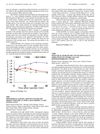 March 2010 in “The Journal of Urology”
 Hair loss, prostate size, and urinary issues are related due to androgen effects.
 October 2017 in “Journal of The European Academy of Dermatology and Venereology”
 Stem cells preservation in AGA could be a potential therapy, but more cases needed.
 April 2020 in “International journal of research in dermatology”
 An 8-year-old girl has a rare, irreversible hair loss condition caused by a genetic mutation.
178 citations
,
June 1994 in “Journal of Investigative Dermatology” Alopecia areata in these mice is inherited, more common in young females, and can be treated with triamcinolone acetonide.