 2 citations
,
January 2018 in “DOAJ (DOAJ: Directory of Open Access Journals)”
2 citations
,
January 2018 in “DOAJ (DOAJ: Directory of Open Access Journals)” The most effective way to diagnose non-scarring hair loss is by transverse sectioning, and some cases, particularly in males with inflammation around hair follicles, might be curable.
 1 citations
,
January 2009 in “Drug delivery system”
1 citations
,
January 2009 in “Drug delivery system” Anti-aging treatments like hair transplants, minoxidil, and finasteride effectively promote hair growth.
 June 2012 in “Springer eBooks”
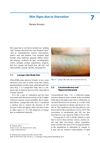
 Skin changes can indicate starvation and nutritional deficiencies in anorexia nervosa.
April 2007 in “Linchuang pifuke zazhi” TGF-β1 and 2 may play a role in hair loss in AGA.
26 citations
,
October 1999 in “Archives of Dermatology” Curly hair in certain scalp areas can be an early sign of hair loss.
March 2016 in “Experimental Dermatology” EGFR helps hair follicles transition properly by controlling Stathmin levels.
 129 citations
,
October 2000 in “British Journal of Dermatology”
129 citations
,
October 2000 in “British Journal of Dermatology” Finasteride helps increase hair growth in men with hair loss.
 53 citations
,
January 2007 in “Dermatology”
53 citations
,
January 2007 in “Dermatology” Chemotherapy often causes patterned hair loss, with some scalp areas more resistant to hair loss than others.
January 1995 in “Revista de arqueología” 1 alpha,25-dihydroxy-vitamin D3 and calcipotriol speed up cell differentiation in hair follicles.
 33 citations
,
January 2007 in “Pediatric dermatology”
33 citations
,
January 2007 in “Pediatric dermatology” Hair thinning and loss in a girl with a rare metabolic disorder was linked to her condition.
 1 citations
,
September 2011 in “Journal of Dermatology”
1 citations
,
September 2011 in “Journal of Dermatology” A woman with a new PTCH gene mutation has both Gorlin syndrome and severe hair loss.
May 2022 in “Dermatology practical & conceptual” Trichoscopy is crucial for diagnosing and managing androgenetic alopecia, showing increased vellus hairs, empty follicles, and fibrosis with severity.
 13 citations
,
July 2016 in “Pediatric Dermatology”
13 citations
,
July 2016 in “Pediatric Dermatology” Loose Anagen Syndrome is more common in females and may be inherited, often confused with other hair disorders, and lacks evidence for biotin treatment effectiveness.
5 citations
,
December 2020 in “Gene” ANXA1 influences hair growth in mice through the EGF signaling pathway.
10 citations
,
May 2021 in “Clinical, cosmetic and investigational dermatology” UV exposure causes hair thinning, graying, and changes in hair growth cycles in mice.
20 citations
,
July 2005 in “Experimental dermatology” The fuzzy gene is crucial for controlling hair growth cycles.
 May 2025 in “International Journal of Science and Research (IJSR)”
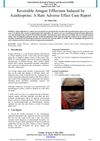
 Stopping azathioprine led to full hair regrowth and recovery in 2.5 months.
 17 citations
,
April 2016 in “Journal of Investigative Dermatology”
17 citations
,
April 2016 in “Journal of Investigative Dermatology” KB2115 (eprotirome) can safely extend the hair growth phase without damaging cells or changing hair color.
16 citations
,
December 2001 in “The Journal of Dermatology” A woman recovered from hair loss and skin eruptions after stopping a tuberculosis drug and using steroids.
 October 2024 in “Experimental Dermatology”
 The belief about hair shedding phases is likely incorrect and needs reevaluation.
 April 2020 in “International journal of research in dermatology”
 An 8-year-old girl has a rare, irreversible hair loss condition caused by a genetic mutation.
 35 citations
,
March 2007 in “Skin Research and Technology”
35 citations
,
March 2007 in “Skin Research and Technology” The conclusion is that exogen is a unique hair cycle phase and the new sampling method specifically targets this stage, which may help in future hair loss research.
24 citations
,
July 1994 in “Journal of Investigative Dermatology”  March 2026 in “Editora Pasteur eBooks”
 Alopecia androgenética is common hair loss affecting self-esteem, treatable with medications and procedures.
June 2025 in “Journal of Photochemistry and Photobiology B Biology” UVA exposure worsens hair loss by activating a specific cell pathway.

Androgenetic alopecia, or hair loss, is caused by genetic factors and hormones, with different mechanisms in men and women, and can be linked to insulin resistance and polycystic ovary syndrome.
 January 2021 in “American Academy of PediatricsItasca, IL eBooks”
 Telogen effluvium is a condition that causes temporary hair loss due to stress or shock to the body.
 8 citations
,
October 2017 in “Dermatology practical & conceptual”
8 citations
,
October 2017 in “Dermatology practical & conceptual” A spermidine-based supplement may help hair grow longer by keeping it in the growth phase.
42 citations
,
July 2017 in “Molecular therapy” A form of vitamin E promotes hair growth by activating a specific skin pathway.
January 2026 in “Case Reports in Dermatological Medicine” Intralesional steroids effectively treated a young female's scalp nodules without recurrence.