5 citations
,
January 2009 in “International Journal of Trichology” Two siblings had a rare hair condition with banded hair, which doesn't need treatment.
54 citations
,
December 1999 in “Journal of Investigative Dermatology Symposium Proceedings” 29 citations
,
March 2000 in “Journal of Investigative Dermatology” The gene for Marie Unna hereditary hypotrichosis is located on chromosome 8p21.
 49 citations
,
July 2019 in “British Journal of Dermatology”
49 citations
,
July 2019 in “British Journal of Dermatology” Wnt signaling is important for the change from the resting phase to the growth phase in human hair cycles.
70 citations
,
August 2006 in “Cancer Research” AP-1 controls tumor cell type by affecting key signaling pathways.
Certain genetic markers on chromosome 20 are linked to hair loss in the Han Chinese from Yunnan.
14 citations
,
April 2008 in “PROTEOMICS” Increased 14-3-3 proteins may block hair cycle regression, causing hair loss.
6 citations
,
December 2018 in “Ophthalmic Plastic and Reconstructive Surgery” Afatinib can cause eyelash and eyebrow issues, leading to eye irritation and pain.
April 2017 in “Journal of Investigative Dermatology” Reduced Stx17 expression may contribute to Alopecia Areata.
 40 citations
,
December 2004 in “Dermatology”
40 citations
,
December 2004 in “Dermatology” Kenogen increases with hair loss in women.
76 citations
,
January 1998 in “Mammalian Genome” 1 citations
,
April 2018 in “Journal of Investigative Dermatology” Lower proximal cup cells, not bulge stem cells, regenerate hair follicles after chemotherapy.
36 citations
,
July 1996 in “The journal of investigative dermatology/Journal of investigative dermatology” Mice with the 'lanceolate hair' mutation have abnormal hair and skin similar to human Netherton's syndrome.
June 2026 in “Skin Appendage Disorders” Pili annulati may be more common than thought, so recognizing its features is important for diagnosis.
9 citations
,
January 2011 in “American Journal of Dermatopathology” Pilomatrixoma involves abnormal hair keratin production and cell death, causing debris and cysts.
18 citations
,
July 2024 in “Frontiers in Immunology” Targeting specific molecular pathways may improve treatments for chemoresistant cancers.
 22 citations
,
June 2013 in “Australasian Journal of Dermatology”
22 citations
,
June 2013 in “Australasian Journal of Dermatology” Early stage bald spots are linked to skin inflammation and damage to the upper part of the hair follicle.
33 citations
,
October 2006 in “European Journal of Immunology” The CD44-CD49d complex boosts T cell activation and survival in autoimmune disease.
 7 citations
,
May 2005 in “Experimental Dermatology”
7 citations
,
May 2005 in “Experimental Dermatology” Two mouse mutations cause similar hair loss despite different skin changes.
 December 2024 in “Kırıkkale Üniversitesi Tıp Fakültesi Dergisi”
 Chromosomal microarray analysis is important for diagnosing rare genetic variations and guiding treatment.
20 citations
,
January 2022 in “Oxidative Medicine and Cellular Longevity” Reactive oxygen species (ROS) influence hair growth by causing DNA damage, cell death, and changes in immune cells.
 13 citations
,
January 2012 in “International journal of trichology”
13 citations
,
January 2012 in “International journal of trichology” The study found that hair fragility in Pili annulati may be caused by cavities and damage within the hair shafts.
3 citations
,
January 2016 NuMA-microtubule interactions are crucial for proper skin structure and hair growth.
October 2021 in “The journal of investigative dermatology/Journal of investigative dermatology” Blocking cell death in hair follicles can lead to impaired hair growth.
 6 citations
,
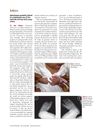
March 2009 in “Annals of Saudi Medicine”
6 citations
,
March 2009 in “Annals of Saudi Medicine” Finasteride use during early pregnancy may cause limb deformities in babies.
November 2022 in “Journal of Investigative Dermatology” NCSTN gene mutation causes abnormal skin cell differentiation and more inflammation, contributing to Hidradenitis Suppurativa.

Combining anastrozole with finasteride may better treat hormone imbalance in BPH.

Combining anastrozole with finasteride may better treat hormone imbalance in BPH.
November 2024 in “Journal of Investigative Dermatology” The research aims to better understand hair follicle regulation and find new treatments for hair loss.
January 1996 in “Studia iuridica” Two new gene mutations cause a rare hair disorder.