 32 citations
,
November 1996 in “International Journal of Dermatology”
32 citations
,
November 1996 in “International Journal of Dermatology” Antiandrogens can help treat skin conditions like acne and excessive hair in women when used carefully.
 20 citations
,
May 2018 in “The Journal of Urology”
20 citations
,
May 2018 in “The Journal of Urology” Men taking 5-alpha-reductase inhibitors before or after bladder cancer diagnosis had a lower risk of dying from the disease.
 3 citations
,
July 2014 in “Indian Journal of Surgery”
3 citations
,
July 2014 in “Indian Journal of Surgery” Sex hormones might influence bladder cancer development, and aromatase inhibitors could increase risk in postmenopausal women.
 May 2024 in “Journal of molecular structure”
 A new compound, 3a, effectively fights prostate cancer better than finasteride.
 4 citations
,
March 2022 in “Journal of Infection”
4 citations
,
March 2022 in “Journal of Infection” Anti-androgen therapy might help protect against COVID-19 infection and reduce death risk.
15 citations
,
March 2015 in “PloS one” Scientists restored fertility in male mice lacking a key fertility gene by using a modified gene.
 47 citations
,
August 2000 in “Endocrine Reviews”
47 citations
,
August 2000 in “Endocrine Reviews” The document concludes that more research is needed to understand excessive hair growth in women with normal hormone levels and regular ovulation.
 2 citations
,
January 2014 in “Springer eBooks”
2 citations
,
January 2014 in “Springer eBooks” Polycystic Ovary Syndrome (PCOS) often leads to severe acne, and lifestyle changes and hormonal treatments can help manage it.
 77 citations
,
July 2020 in “European Journal of Clinical Pharmacology”
77 citations
,
July 2020 in “European Journal of Clinical Pharmacology” Blocking the virus's entry into cells by targeting certain pathways could lead to early COVID-19 treatments.
 76 citations
,
December 2009 in “Clinics in Dermatology”
76 citations
,
December 2009 in “Clinics in Dermatology” Hormonal treatments can help with acne but are not the first choice due to side effects and the need for careful patient selection.
 49 citations
,
June 1998 in “Journal of Endocrinological Investigation”
49 citations
,
June 1998 in “Journal of Endocrinological Investigation” Cyproterone acetate plus ethinyl estradiol is generally more effective in treating hirsutism, but consider side effects and patient characteristics.
 38 citations
,
October 1996 in “Dermatologic Clinics”
38 citations
,
October 1996 in “Dermatologic Clinics” Certain hormone treatments can improve acne and related conditions in women.
 31 citations
,
January 1995 in “The American journal of medicine”
31 citations
,
January 1995 in “The American journal of medicine” Testosterone and dihydrotestosterone play a role in women's health issues like excess hair and baldness, and treatments blocking these hormones may help.
 15 citations
,
August 1998 in “Australasian journal of dermatology”
15 citations
,
August 1998 in “Australasian journal of dermatology” The document concludes that various cosmetic and drug treatments are available for hirsutism, and some new drugs show promise.
 116 citations
,
December 2013 in “The Journal of Pediatrics”
116 citations
,
December 2013 in “The Journal of Pediatrics” Most youth with gender dysphoria received hormones, had minor complications, and showed a decrease in suicide attempts after treatment.
 30 citations
,
September 2016 in “BMJ”
30 citations
,
September 2016 in “BMJ” Taking 5-α reductase inhibitors for prostate enlargement or hair loss does not significantly raise the risk of erectile dysfunction.
 5 citations
,
January 2017 in “Acta Endocrinologica”
5 citations
,
January 2017 in “Acta Endocrinologica” High androgen levels in postmenopausal women may suggest an ovarian tumor, and removing it can improve heart and metabolic health.
 2 citations
,
March 2004 in “Reviews in Gynaecological Practice”
2 citations
,
March 2004 in “Reviews in Gynaecological Practice” Hormonal changes and psychological issues can cause sexual dysfunction in postmenopausal women. Behavioral therapy is recommended first, with hormone replacement helping some symptoms but not libido. Testosterone can improve libido, but its effects on overall sexual function are unclear. Emotional and relationship issues should be addressed before using medication, and the benefits and risks of testosterone supplementation should be considered.
 1 citations
,
April 2019 in “Clinical Breast Cancer”
1 citations
,
April 2019 in “Clinical Breast Cancer” Medicines for enlarged prostate may raise the risk of breast growth and tenderness but not breast cancer.
 1 citations
,
May 2017 in “InTech eBooks”
1 citations
,
May 2017 in “InTech eBooks” Hair loss in Androgenetic alopecia (AGA) is due to altered cell sensitivity to hormones, not increased hormone levels. Hair growth periods shorten over time, causing hair to become thinner and shorter. This is linked to miscommunication between cell pathways in hair follicles. There's also a change in gene expression related to blood vessels and cell growth in balding hair follicles. The exact molecular causes of AGA are still unclear.
 March 2024 in “Cleveland Clinic journal of medicine”
 Alpha-blockers and 5-alpha reductase inhibitors are main treatments for BPH, with new support for phosphodiesterase-5 inhibitors and beta-3 agonists.
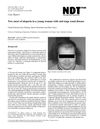
A young woman with kidney failure had hair loss due to a common hormonal disorder, which improved with hormone therapy.
 September 2023 in “Fides et Ratio”
 The safety and effectiveness of gender-affirming treatments for children are uncertain, with potential long-term risks like infertility.
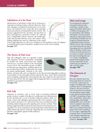 May 2015 in “Journal of Investigative Dermatology”
 Melanoma risk tools need improvement, a gene mutation causes a hair disorder that might be treated by managing cell stress, a potential therapy for a skin-ear disorder involves blocking cell channels, skin wrinkling may indicate lung aging regardless of smoking, and oxidative stress might contribute to common baldness.
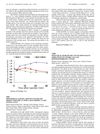 April 2010 in “The Journal of Urology”
 Human prostate cells produce more WISP1/CCN4 when there's not enough oxygen.
January 2023 in “Iranian Journal of Pharmaceutical Research” Stauntonia hexaphylla extract can help treat hair loss by blocking certain hormones.
 March 2010 in “The Journal of Urology”
 Hair loss, prostate size, and urinary issues are related due to androgen effects.
37 citations
,
February 2023 in “Gut Microbes” Gut bacteria can lower androgen levels in male mice.
 82 citations
,
January 2000 in “Hormone Research in Paediatrics”
82 citations
,
January 2000 in “Hormone Research in Paediatrics” DHEA stimulates skin oil glands and could help postmenopausal women, with potential for acne and excessive hair growth treatments.
 78 citations
,
January 2000 in “Gynecological Endocrinology”
78 citations
,
January 2000 in “Gynecological Endocrinology” Norgestimate is the most effective birth control progestin for reducing an enzyme linked to acne and excessive hair growth in women.