 815 citations
,
April 2010 in “The Journal of Clinical Endocrinology & Metabolism”
815 citations
,
April 2010 in “The Journal of Clinical Endocrinology & Metabolism” Women with PCOS should be screened for heart disease risk and manage their health to prevent it.
 24 citations
,
November 2015 in “Annals of Nutrition and Metabolism”
24 citations
,
November 2015 in “Annals of Nutrition and Metabolism” Certain SHBG gene variants, like rs727428, are linked to higher testosterone levels in women with PCOS.
 8 citations
,
March 2010 in “Gynecological Endocrinology”
8 citations
,
March 2010 in “Gynecological Endocrinology” Free Testosterone Index, bioavailable testosterone, and androstenedione are the most accurate for diagnosing excess male hormones in PCOS.
Androstenedione is better than testosterone for diagnosing PCOS in Indian women.
 59 citations
,
September 2008 in “Mycoses”
59 citations
,
September 2008 in “Mycoses” Seborrheic dermatitis lowers quality of life more for women, younger people, and those with more education.
 1 citations
,
March 2023 in “PloS one”
1 citations
,
March 2023 in “PloS one” Different amounts of daylight affect cashmere growth in goats by changing the activity of certain genes and molecules.
 17 citations
,
January 2022 in “Emerging infectious diseases”
17 citations
,
January 2022 in “Emerging infectious diseases” COVID-19 generally causes fewer complications than influenza, except for certain conditions like hair loss and heart issues.
 45 citations
,
August 2019 in “Dermatologic Therapy”
45 citations
,
August 2019 in “Dermatologic Therapy” Hair loss treatments work better with lifestyle changes.
 16 citations
,
April 2007 in “Journal of Obstetrics and Gynaecology Research”
16 citations
,
April 2007 in “Journal of Obstetrics and Gynaecology Research” Prostate-specific antigen may be a new marker for excess male hormones in women with polycystic ovary syndrome.
 July 2022 in “World Journal of Advanced Research and Reviews”
 Piptadeniastrum africanum and Cordia plathytyrsa can increase testosterone without major metabolic changes, but may affect triglycerides and creatinine.
 8 citations
,
March 2014 in “Experimental Dermatology”
8 citations
,
March 2014 in “Experimental Dermatology” Light and temperature affect the daily skin function rhythms in hairless rats, with temperature influencing water loss but not skin hydration.
 September 2023 in “Asian journal of beauty & cosmetology”
 Lipids are important for healthy hair, but their exact role is not fully understood and needs more research.
 4 citations
,
July 2001 in “Personality and Individual Differences”
4 citations
,
July 2001 in “Personality and Individual Differences” Men with moderate hair loss had the best spatial thinking, and long-term DHT might affect cognition.
 17 citations
,
June 2017 in “Journal of pharmaceutical sciences”
17 citations
,
June 2017 in “Journal of pharmaceutical sciences” Researchers developed a nanomedicine for acne treatment that delivers medication with less irritation and is non-irritating for oily skin.
 10 citations
,
August 2014 in “Skin research and technology”
10 citations
,
August 2014 in “Skin research and technology” Sleep, testosterone levels, and a specific enzyme activity affect skin oil production in women.
 April 2024 in “International journal of women's health”
 Adult female acne is a complex condition that can worsen with menopause, requiring holistic treatment and tailored skincare at different life stages.
 August 2008 in “European Neuropsychopharmacology”
 RY-023, a specific drug, can improve early stage memory learning without affecting general activity in rats, but it's less effective for later learning stages and doesn't impact memory recall.
Men's skincare products with essential oils can improve skin health and may increase male interest in cosmetics.
 101 citations
,
April 1994 in “Baillière's clinical endocrinology and metabolism”
101 citations
,
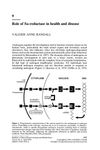
April 1994 in “Baillière's clinical endocrinology and metabolism” 5α-reductase is essential for male sexual development and its inhibitors have potential in treating various conditions related to hormone action.
35 citations
,
October 2011 in “Medicine and science in sports and exercise” Muscles can make their own androgens, which may help muscle growth.
22 citations
,
December 1991 in “PubMed”  4 citations
,
November 2015 in “Journal of Investigative Dermatology”
4 citations
,
November 2015 in “Journal of Investigative Dermatology” Testosterone may worsen hair loss by affecting hair growth signals, while different prostaglandins can either hinder or promote hair growth.
 November 2023 in “Bioorganic Chemistry”
 Drugs targeting the Androgen Receptor are effective for treating prostate cancer and other androgen-related conditions.
 November 2022 in “Scientific Reports”
 Certain ESR1 gene variations may affect hormone levels and fat distribution in women with high male hormone levels.
 June 2017 in “The Journal of Clinical Endocrinology and Metabolism”
 Finasteride's sexual side effects not caused by androgen deficiency or SRD5A inhibition.
 87 citations
,
March 2011 in “Australasian Journal of Dermatology”
87 citations
,
March 2011 in “Australasian Journal of Dermatology” Genetics and hormones play a role in male and female hair loss, but more research is needed to fully understand it.
 58 citations
,
January 2013 in “The Journal of Clinical Endocrinology and Metabolism”
58 citations
,
January 2013 in “The Journal of Clinical Endocrinology and Metabolism” Obese women with PCOS show a male-like pattern in certain fat tissue gene expressions.
 78 citations
,
January 2000 in “Gynecological Endocrinology”
78 citations
,
January 2000 in “Gynecological Endocrinology” Norgestimate is the most effective birth control progestin for reducing an enzyme linked to acne and excessive hair growth in women.
 370 citations
,
September 1999 in “The New England Journal of Medicine”
370 citations
,
September 1999 in “The New England Journal of Medicine” Finasteride and minoxidil are effective for hair loss, but continued research is needed for better treatments.
 76 citations
,
January 2007 in “American Journal of Clinical Dermatology”
76 citations
,
January 2007 in “American Journal of Clinical Dermatology” Women with PCOS often have skin problems like excessive hair, acne, hair loss, and dark patches, which can be treated with hormonal and non-hormonal therapies.