
Bilateral Orchiectomy effectively reduces the need for anti-androgen medication in most transgender females.
 31 citations
,
September 2006 in “International journal of gynaecology and obstetrics”
31 citations
,
September 2006 in “International journal of gynaecology and obstetrics” New treatments for PCOS focus on insulin resistance and reducing testosterone levels, along with traditional hormone therapies.
 39 citations
,
September 2000 in “Obstetrics and Gynecology Clinics of North America”
39 citations
,
September 2000 in “Obstetrics and Gynecology Clinics of North America” Insulin-lowering medications show promise for PCOS symptoms but can't be the main treatment yet due to limited long-term research.
 200 citations
,
October 2009 in “European journal of endocrinology”
200 citations
,
October 2009 in “European journal of endocrinology” Metformin helps manage polycystic ovary syndrome by improving insulin resistance and ovulation, but more research is needed on its full effects.
 77 citations
,
May 2012 in “Expert Opinion on Emerging Drugs”
77 citations
,
May 2012 in “Expert Opinion on Emerging Drugs” New treatments for male hypogonadism are effective and should be personalized.
 65 citations
,
February 2009 in “The journal of investigative dermatology/Journal of investigative dermatology”
65 citations
,
February 2009 in “The journal of investigative dermatology/Journal of investigative dermatology” Anti-acne medications may work by reducing the activity of a protein involved in acne development.
5 citations
,
January 2020 in “Research journal of pharmacy and technology” CBD may help reduce stress and pain in women with PCOS.
 April 2024 in “Canadian Women s Health Today”
 PCOS treatment focuses on lifestyle changes and specific medications to manage symptoms and complications.
17 citations
,
February 2004 in “PubMed” PCOS treatment focuses on inducing ovulation, reducing androgens, and managing long-term health risks with medications and lifestyle changes.
 5 citations
,
July 1998 in “PubMed”
5 citations
,
July 1998 in “PubMed” Excessive androgen in women can cause acne, hair growth, baldness, and PCOS, often treatable with medication.
 December 2024 in “African Journal of Biomedical Research”
 Combining lifestyle changes and medication is most effective for managing PCOS symptoms.
20 citations
,
January 2004 in “PubMed Central” 5α-reductase inhibitors like finasteride and dutasteride effectively treat BPH by reducing DHT levels.
 34 citations
,
January 2011 in “Fundamental & Clinical Pharmacology”
34 citations
,
January 2011 in “Fundamental & Clinical Pharmacology” New treatments for PCOS show promise, but no current medication treats all aspects of the condition.
 1 citations
,
November 1996 in “Journal of Cutaneous Medicine and Surgery”
1 citations
,
November 1996 in “Journal of Cutaneous Medicine and Surgery” Hormones, especially androgens, play a key role in causing acne, and treatments like hormone control pills and hormone-blocking medications can help.
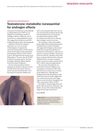 2 citations
,
March 2012 in “Nature Reviews Endocrinology”
2 citations
,
March 2012 in “Nature Reviews Endocrinology” The body's change of testosterone into DHT is not necessary for testosterone's muscle and sexual effects.
26 citations
,
January 2016 in “Indian journal of endocrinology and metabolism” Both metformin and pioglitazone improve PCOS symptoms, but pioglitazone is a good alternative for those who can't take metformin.
 March 2013 in “Journal für Kardiologie (Krause & Pachernegg GmbH)”
 Hormones significantly affect hair growth and loss, with potential for new treatments.
 January 2017 in “International journal of clinical & experimental dermatology”
 Eating a balanced diet with vitamins, micronutrients, and antioxidants is important for hair health and can help with hair loss.
23 citations
,
June 1997 in “Baillière's clinical obstetrics and gynaecology” Most women with too much androgens have PCOS, which can be managed with birth control pills, medication for hair growth, and fertility treatments, and losing weight helps too.
Low-level light therapy, possibly combined with other treatments, may become a leading hair loss treatment, while hirsutism often worsens with age and lacks preventive options.
39 citations
,
January 1980 in “Dermatology” Cyproterone acetate was effective in treating acne, hirsutism, and alopecia with few side effects.
 17 citations
,
August 2007 in “Bioorganic & Medicinal Chemistry Letters”
17 citations
,
August 2007 in “Bioorganic & Medicinal Chemistry Letters” A compound made by Pfizer can potentially stimulate hair growth and reduce oil production, making it a good candidate for topical use.
 December 2022 in “International Journal of Biomedicine”
 Androgens may worsen COVID-19 and hair loss could indicate the disease's severity.
 3 citations
,
February 2005 in “Expert Opinion on Investigational Drugs”
3 citations
,
February 2005 in “Expert Opinion on Investigational Drugs” New treatments for hair loss are being developed using molecular biology.
 70 citations
,
January 2000 in “Hormone Research in Paediatrics”
70 citations
,
January 2000 in “Hormone Research in Paediatrics” SAHA syndrome is a condition in women involving skin and hair issues, often related to hormonal imbalances, and is treated based on the underlying cause.
 36 citations
,
October 2021 in “Frontiers in Endocrinology”
36 citations
,
October 2021 in “Frontiers in Endocrinology” Insulin resistance and high male hormone levels are major causes of Polycystic Ovary Syndrome.
 January 2025 in “International Journal of Unani and Integrative Medicine”
 Combining modern and Unani treatments may offer better care for hirsutism in PCOS.
 26 citations
,
March 2014 in “Arquivos Brasileiros De Endocrinologia E Metabologia”
26 citations
,
March 2014 in “Arquivos Brasileiros De Endocrinologia E Metabologia” The document concludes that proper diagnosis and combined treatments are key for hirsutism management, and weight loss may help overweight patients.
 195 citations
,
May 2003 in “Obstetrics and gynecology (New York. 1953. Online)/Obstetrics and gynecology”
195 citations
,
May 2003 in “Obstetrics and gynecology (New York. 1953. Online)/Obstetrics and gynecology” Most women with excess hair growth have an underlying hormonal issue, often treated with medication and hair removal methods.
 55 citations
,
July 2016 in “Dermatologic Therapy”
55 citations
,
July 2016 in “Dermatologic Therapy” Multiple treatments work best for hair loss.