 402 citations
,
August 2011 in “Cancer research”
402 citations
,
August 2011 in “Cancer research” Prostate cancer cells can make their own androgens to activate the androgen receptor, and treatments like abiraterone may increase this ability, suggesting new therapies should target the entire steroid-making pathway.
57 citations
,
April 2009 in “The Journal of Steroid Biochemistry and Molecular Biology” Steroidogenesis inhibitors change but don't stop androgen production in prostate cancer.
 5 citations
,
July 2021 in “Endocrinology, diabetes & metabolism”
5 citations
,
July 2021 in “Endocrinology, diabetes & metabolism” Glioblastoma cells can make androgens, which might help the tumor grow.
 February 2010 in “ePrints Soton (University of Southampton)”
 Male sexual differentiation is regulated independently, while female differentiation occurs in an androgenic environment, affecting conditions like congenital adrenal hyperplasia.
59 citations
,
January 1976 in “Vitamins and hormones” Prostate cells have proteins that bind to specific hormones, which can increase protein production when activated by these hormones.
7 citations
,
August 2010 in “Medicinal Chemistry Research” Some synthesized compounds were more effective than Finasteride in reducing prostate cancer cell growth and androgen levels.
 January 2026 in “Frontiers in Cellular Neuroscience”
 Neurosteroids like neuro-estrogen and neuro-androgen are crucial for brain function and can improve cognition and protect against aging-related decline.
 45 citations
,
August 2005 in “Bioorganic & medicinal chemistry”
45 citations
,
August 2005 in “Bioorganic & medicinal chemistry” New compounds with carborane showed anti-androgen effects similar to flutamide.
 18 citations
,
April 2001 in “Bioorganic & Medicinal Chemistry Letters”
18 citations
,
April 2001 in “Bioorganic & Medicinal Chemistry Letters” The nature of the side chain in RU 58841 derivatives greatly affects its AR affinity, with the N-(iodopropenyl) derivative 13 showing the highest AR binding affinity, suggesting its potential for developing high-affinity radioiodinated AR radioligands.
 17 citations
,
August 2007 in “Bioorganic & Medicinal Chemistry Letters”
17 citations
,
August 2007 in “Bioorganic & Medicinal Chemistry Letters” A compound made by Pfizer can potentially stimulate hair growth and reduce oil production, making it a good candidate for topical use.
 16 citations
,
August 2004 in “Tetrahedron”
16 citations
,
August 2004 in “Tetrahedron” Scientists made all eight versions of a compound called cyoctol, but found it's not an anti-androgen and it fully breaks down in the skin.
11 citations
,
June 2016 in “European Journal of Medicinal Chemistry” Compounds 6f and 6g effectively stop prostate cancer cell growth without harming healthy cells.
 6 citations
,
November 2004 in “Bioorganic & Medicinal Chemistry Letters”
6 citations
,
November 2004 in “Bioorganic & Medicinal Chemistry Letters” Scientists created iodinated arylhydantoins and arylthiohydantoins that could potentially be used for imaging prostate cancer. Some versions with specific side-chains showed high potential for this use.
 November 2023 in “Bioorganic Chemistry”
 Drugs targeting the Androgen Receptor are effective for treating prostate cancer and other androgen-related conditions.
 November 2021 in “Pharmaceutical Sciences”
 New compounds were made and tested, with compound 6 showing potential for treating prostate-related diseases.
 35 citations
,
May 2022 in “Baillière's best practice and research in clinical endocrinology and metabolism/Baillière's best practice & research. Clinical endocrinology & metabolism”
35 citations
,
May 2022 in “Baillière's best practice and research in clinical endocrinology and metabolism/Baillière's best practice & research. Clinical endocrinology & metabolism” Androgens like testosterone are important hormones for both men and women, made differently in each sex and affecting the body by regulating genes and quick interactions with cell components.
1 citations
,
January 2015 in “Elsevier eBooks” Certain pesticides and fungicides can interfere with male hormone functions, potentially causing reproductive issues in male rats.
23 citations
,
October 2008 in “Journal of medicinal chemistry” PF-998425 is a new, effective, and non-phototoxic treatment for skin conditions related to androgens.
129 citations
,
January 2004 in “Journal of medicinal chemistry” Researchers developed new compounds that target the androgen receptor effectively with fewer side effects.
 May 2024 in “Journal of molecular structure”
 A new compound, 3a, effectively fights prostate cancer better than finasteride.
 September 2023 in “Biology of reproduction”
 New testosterone analogs show promise for male contraception with better activity and potentially fewer side effects.
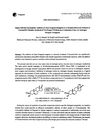 14 citations
,
February 1994 in “Tetrahedron Letters”
14 citations
,
February 1994 in “Tetrahedron Letters” Adding cerium(III) chloride to Grignard reagents improves the making of compounds that could treat prostate issues and hair loss.
 131 citations
,
September 2017 in “Molecular and Cellular Endocrinology”
131 citations
,
September 2017 in “Molecular and Cellular Endocrinology” The document concludes that blocking the internal pathways that create androgens might help treat cancers that depend on sex hormones.
2 citations
,
March 2025 in “Cancer Gene Therapy” Targeting Sirt1 can reduce androgen levels and slow glioblastoma growth.
 December 2023 in “Frontiers in endocrinology”
 Excess androgens may cause PCOS, not just be a symptom.
51 citations
,
November 1998 in “The journal of investigative dermatology/Journal of investigative dermatology” Beard cells, unlike scalp cells, produce growth factors in response to testosterone, which may explain differences in hair growth.
31 citations
,
April 2015 in “Journal of steroid biochemistry and molecular biology/The Journal of steroid biochemistry and molecular biology” Androgens cause oil-producing skin cells with androgen receptors to mature and produce more oil.
29 citations
,
May 1986 in “Journal of Steroid Biochemistry” Androgens don't directly affect hair cell growth or protein production.
20 citations
,
March 1975 in “Journal of steroid biochemistry/Journal of Steroid Biochemistry” The study concludes that a genetic mutation in TFM mice leads to reduced androgen receptor activity, affecting the body's response to male hormones.
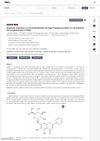
Enzymatic synthesis improved the water solubility of the flavonoid baicalin, which may help treat hair loss conditions.