 26 citations
,
March 2009 in “Dermato-endocrinology”
26 citations
,
March 2009 in “Dermato-endocrinology” The document concludes that diagnosing and treating Congenital Adrenal Hyperplasia is complex and requires a team approach due to its effects on the skin and other symptoms.
16 citations
,
August 1989 in “Human Reproduction” Hirsutism in females is caused by high male hormones or sensitive hair follicles.
12 citations
,
March 2017 in “Arteriosclerosis, thrombosis, and vascular biology” Testosterone helps prevent skin damage in males by acting through both estrogen and androgen pathways.
 4 citations
,
January 1989 in “Journal of Steroid Biochemistry”
4 citations
,
January 1989 in “Journal of Steroid Biochemistry” Women with hyperandrogenism have higher androgen levels and lower SHBG, which may contribute to conditions like excessive hair growth and early puberty.
 3 citations
,
January 2016 in “Elsevier eBooks”
3 citations
,
January 2016 in “Elsevier eBooks” Steroid hormones are crucial for body functions and have various medical uses, but their misuse can lead to dependence.
 1 citations
,
March 2012 in “Journal of Dermatological Science”
1 citations
,
March 2012 in “Journal of Dermatological Science” Testosterone, progesterone, and levonorgestrel change enzyme levels related to fat production in hamster skin, which could affect skin oil and acne.
 June 2026 in “Bulletin of Mathematical Biology”
 AGA causes more uncertainty in hair growth duration, while AA leads to a shorter, predictable growth phase.
May 2026 in “RECIMA21 - Revista Científica Multidisciplinar - ISSN 2675-6218” Post-Finasteride Syndrome causes lasting sexual, mood, and metabolic issues, needing personalized treatment and better informed consent.
January 2025 in “International Journal of Molecular Sciences” Fenugreek extract may help treat benign prostatic hyperplasia.
 May 2023 in “IntechOpen eBooks”
 More research is needed to understand how testosterone is maintained in adult males.
May 2020 in “Scientific periodicals of Ukraine” Alopecia and acne in women are complex conditions needing coordinated care and personalized treatment.
 September 2017 in “Journal of Investigative Dermatology Symposium Proceedings”
 Prostaglandin D2 increases testosterone production in skin cells through a process involving reactive oxygen species, which could be a new target for treating hair loss and other skin conditions driven by testosterone.
The document explains how certain drugs block hormones to treat cancers like breast and prostate cancer.
 January 2015 in “Springer eBooks”
 Fat-derived stem cells and their secretions show promise for treating skin aging and hair loss.
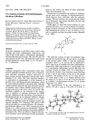 December 1998 in “Acta Crystallographica Section C-crystal Structure Communications”
 A new compound with strong antiandrogenic effects was found, potentially useful for treating conditions like acne and prostate cancer.
 2 citations
,
July 2018 in “Journal of Cosmetic Dermatology”
2 citations
,
July 2018 in “Journal of Cosmetic Dermatology” Common latent viruses might contribute to male-pattern baldness by disrupting cell processes that normally suppress hair loss-related proteins.
 1 citations
,
January 2001 in “Endocrine Practice”
1 citations
,
January 2001 in “Endocrine Practice” Topical finasteride may help treat facial hirsutism in women.
198 citations
,
January 1998 in “Dermatology” The human sebocyte culture model has improved understanding of oily skin and acne, and how they can be treated.
14 citations
,
June 2011 in “Steroids” New compounds may help treat prostate issues without affecting androgen receptors.
 25 citations
,
June 2014 in “Journal of Endocrinology/Journal of endocrinology”
25 citations
,
June 2014 in “Journal of Endocrinology/Journal of endocrinology” Human sebaceous glands contain enzymes that affect androgen production and may influence sebum production and acne.
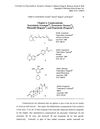
Isotretinoin and tazarotene help treat acne, while minoxidil and finasteride promote hair growth.
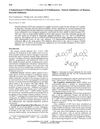
January 2006 in “Benzina: Revista d'excepcions culturals” Trienones are more effective at inhibiting the enzyme linked to hair loss than dienones.
 111 citations
,
August 2002 in “Journal of Medicinal Chemistry”
111 citations
,
August 2002 in “Journal of Medicinal Chemistry” New compounds were made that block an enzyme linked to breast cancer better than existing treatments.
24 citations
,
October 2012 in “The International Journal of Biochemistry & Cell Biology” Testosterone protects female heart cells from stress by activating estrogen receptors.
6 citations
,
November 2024 in “Molecular Medicine” Hormones can improve wound healing by regulating the healing process.
 2 citations
,
April 2007 in “Journal of Labelled Compounds and Radiopharmaceuticals”
2 citations
,
April 2007 in “Journal of Labelled Compounds and Radiopharmaceuticals” The conclusion is that tritium-labeled testosterone metabolites can be made and are better converted into dihydrotestosterone in skin cells than in prostate tissue.
 October 2021 in “Cosmoderma”
 Hair loss can be managed with treatments like minoxidil, finasteride, and others, but there are still gaps in effectiveness and off-label usage is increasing.
 1 citations
,
December 2021 in “Androgens”
1 citations
,
December 2021 in “Androgens” Testosterone and its metabolites affect brain functions and could help treat neurological disorders.
 April 2018 in “The journal of investigative dermatology/Journal of investigative dermatology”
 Androgens increase growth factors in skin cells, which may lead to acne.
 58 citations
,
January 2003 in “Thrombosis and Haemostasis”
58 citations
,
January 2003 in “Thrombosis and Haemostasis” Testosterone may slow down wound healing and increase inflammation.