 19 citations
,
December 2019 in “Steroids”
19 citations
,
December 2019 in “Steroids” Finasteride and dutasteride reduce neurosteroid production, possibly helping treat glioblastoma.
 13 citations
,
June 2024 in “Asian Pacific Journal of Cancer Prevention”
13 citations
,
June 2024 in “Asian Pacific Journal of Cancer Prevention” The (+) enantiomer of YH239-EE effectively kills breast cancer cells.
 August 2023 in “bioRxiv (Cold Spring Harbor Laboratory)”
 Too much β-catenin activity can mess up the development of mammary glands and make them more like hair follicles.
 March 2021 in “Actas Dermo-Sifiliográficas”
 The microbiome may be linked to hair loss and could be a target for new treatments.
 February 2024 in “PloS one”
 Nutraceuticals that promote hair growth do not reduce tamoxifen's effectiveness in breast cancer treatment.
 3 citations
,
February 2021 in “Molecules”
3 citations
,
February 2021 in “Molecules” A new method was created to test the effectiveness of Dihydrotestosterone (DHT) inhibitors, like finasteride and dutasteride, in human and fish cells. The results showed fish cells are more sensitive to these treatments, and dutasteride works better than finasteride in all tested cells.
 April 2026 in “Research Square”
 COVID-19 can harm male fertility by reducing sperm stem cells and damaging testicular function.
 March 2025 in “Jurnal Farmamedika (Pharmamedica Journal)”
 Procyanidin from Indonesian spices may help heal diabetic wounds.
 January 2024 in “Wiadomości Lekarskie”
 Enhancing immune response can improve cancer treatment effectiveness.
 May 2013 in “Journal of the Egyptian Women's Dermatologic Society (Print)”
 High aldosterone and free testosterone levels link to female hair loss; testing aldosterone may predict hypertension risk.
 48 citations
,
February 2013 in “Molecular and Cellular Endocrinology”
48 citations
,
February 2013 in “Molecular and Cellular Endocrinology” The protein StAR is found in 17 different organs and can affect hair loss and brain functions, but its full role is not yet fully understood.
 August 2013 in “Nature Reviews Drug Discovery”
 A protein called FGF9 helps regenerate hair follicles in mice after skin damage, and increasing FGF9 could potentially help human hair growth.
 403 citations
,
November 2005 in “Journal of Endocrinology”
403 citations
,
November 2005 in “Journal of Endocrinology” Dehydroepiandrosterone (DHEA) is a prohormone important for producing sex steroids and has potential health benefits.
 1 citations
,
March 2012 in “Journal of Dermatological Science”
1 citations
,
March 2012 in “Journal of Dermatological Science” Testosterone, progesterone, and levonorgestrel change enzyme levels related to fat production in hamster skin, which could affect skin oil and acne.
 16 citations
,
January 2006 in “The Aging Male”
16 citations
,
January 2006 in “The Aging Male” Hormone imbalances can cause skin diseases, and understanding these links is important for diagnosis and treatment.
 8 citations
,
February 2014 in “General and Comparative Endocrinology”
8 citations
,
February 2014 in “General and Comparative Endocrinology” Finasteride affects frog testes by increasing testosterone, decreasing 5α-DHT, and impacting genes related to reproduction and other functions.
 4 citations
,
October 2007 in “Dermatologic Clinics”
4 citations
,
October 2007 in “Dermatologic Clinics” Glucocorticoids and sex hormones affect skin health, with potential for targeted treatments to minimize side effects and treat skin conditions.
 32 citations
,
November 1996 in “International Journal of Dermatology”
32 citations
,
November 1996 in “International Journal of Dermatology” Antiandrogens can help treat skin conditions like acne and excessive hair in women when used carefully.
 1 citations
,
January 2008 in “touchREVIEWS in Endocrinology”
1 citations
,
January 2008 in “touchREVIEWS in Endocrinology” Generalized glucocorticoid resistance causes hormone imbalances and varied symptoms due to gene mutations.
 23 citations
,
December 2013 in “Regenerative Medicine”
23 citations
,
December 2013 in “Regenerative Medicine” Hair follicle culture helps develop new treatments for hair loss.
 14 citations
,
July 2010 in “British Journal of Dermatology”
14 citations
,
July 2010 in “British Journal of Dermatology” Estrogen and prolactin may play bigger roles in female hair loss than previously thought.
 3 citations
,
December 2021 in “Physiological Research”
3 citations
,
December 2021 in “Physiological Research” Low testosterone may increase COVID-19 severity in men.
 July 2015 in “Cambridge University Press eBooks”
 The document concludes that treatments for female hair loss and excess body hair are available, but managing expectations is important.
 May 2015 in “Journal of Investigative Dermatology”
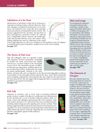
 Melanoma risk tools need improvement, a gene mutation causes a hair disorder that might be treated by managing cell stress, a potential therapy for a skin-ear disorder involves blocking cell channels, skin wrinkling may indicate lung aging regardless of smoking, and oxidative stress might contribute to common baldness.
 153 citations
,
March 2017 in “Endocrine”
153 citations
,
March 2017 in “Endocrine” Male pattern baldness involves genetics, hormones, and needs better treatments.
 101 citations
,
April 1994 in “Baillière's clinical endocrinology and metabolism”
101 citations
,
April 1994 in “Baillière's clinical endocrinology and metabolism” 5α-reductase is essential for male sexual development and its inhibitors have potential in treating various conditions related to hormone action.
 6 citations
,
August 2009 in “Mini-reviews in Medicinal Chemistry”
6 citations
,
August 2009 in “Mini-reviews in Medicinal Chemistry” Different drugs can treat high male hormone levels in women, but they have various effects and some may harm a fetus.
 65 citations
,
September 2010 in “Journal of the Neurological Sciences”
65 citations
,
September 2010 in “Journal of the Neurological Sciences” Kennedy's disease leads to muscle weakness and sensory issues, has no cure but manageable symptoms, and future treatments look promising.
 38 citations
,
October 1996 in “Dermatologic Clinics”
38 citations
,
October 1996 in “Dermatologic Clinics” Certain hormone treatments can improve acne and related conditions in women.
 82 citations
,
January 2000 in “Hormone Research in Paediatrics”
82 citations
,
January 2000 in “Hormone Research in Paediatrics” DHEA stimulates skin oil glands and could help postmenopausal women, with potential for acne and excessive hair growth treatments.