2 citations
,
November 2021 in “International Journal of Current Pharmaceutical Research” Diagnose and treat hirsutism with oral contraceptives and laser hair removal for best results.
 2 citations
,
April 2019 in “Медицинский совет”
2 citations
,
April 2019 in “Медицинский совет” Combined oral contraceptives improve skin, hormone levels, and quality of life in women with PCOS.
 2 citations
,
October 2015 in “Primary Care: Clinics in Office Practice”
2 citations
,
October 2015 in “Primary Care: Clinics in Office Practice” Doctors should diagnose hair loss by examining the patient and possibly doing tests, and then treat it based on the type, which may prevent permanent hair loss.
 2 citations
,
January 2014 in “Springer eBooks”
2 citations
,
January 2014 in “Springer eBooks” Polycystic Ovary Syndrome (PCOS) often leads to severe acne, and lifestyle changes and hormonal treatments can help manage it.
1 citations
,
May 2022 in “Reproductive Endocrinology” Accurate diagnosis and treatment of hyperandrogenism in women require comprehensive evaluation of symptoms and hormone levels.
 1 citations
,
June 2012 in “Springer eBooks”
1 citations
,
June 2012 in “Springer eBooks” Acupuncture may improve reproductive and metabolic functions in PCOS without negative side effects, but more research is needed to confirm its effectiveness.
 1 citations
,
May 2012 in “Hair transplant forum international”
1 citations
,
May 2012 in “Hair transplant forum international” Hair loss in men may be caused by inflammation triggered by hormones, and treatments reducing inflammation could potentially promote hair growth.
 1 citations
,
November 1999 in “Hautarzt”
1 citations
,
November 1999 in “Hautarzt” Finasteride is not expected to be effective for treating Acne vulgaris.

Combining anastrozole with finasteride may better treat hormone imbalance in BPH.

Combining anastrozole with finasteride may better treat hormone imbalance in BPH.
 May 2026 in “Frontiers in Cell and Developmental Biology”
 Collagen networks play a key role in hair loss and follicle miniaturization.
 May 2026 in “Theranostics”
 Targeting DKK3–CKAP4 can help reverse hair loss in androgenetic alopecia.
 April 2026 in “Brazilian Journal of Hair Health”
 Perifollicular fibrosis hinders hair regrowth in androgenetic alopecia, and new treatments targeting fibrosis are needed.
January 2026 in “Clinics in Dermatology” Managing menopause symptoms like skin changes and hair thinning involves hormone therapy, procedures, and skincare, with emotional support being important.
 January 2026 in “Scientific Reports”
 Sesamin may help treat hair loss by affecting specific cell pathways.
Higher nitric oxide synthase levels in the scalp may influence hair loss in androgenetic alopecia.

Metformin helps some women with PCOS but isn't effective for weight loss or treating acne.
 November 2024 in “Journal of Translational Internal Medicine”
 Exosomes from stem cells help hair regrowth by activating a specific signaling pathway.
 October 2024 in “Journal of the Endocrine Society”
 Ovarian steroid cell tumors can mimic adrenal hyperplasia, and surgery can normalize hormone levels.
 October 2024 in “Journal of the Endocrine Society”
 Early detection of ovarian steroid cell tumors is crucial to prevent lasting symptoms.
 May 2024 in “Indian Journal of Dermatology”
 Androgenetic alopecia in men is genetic and linked to health issues like obesity and heart disease, with treatments including minoxidil, finasteride, and hair transplants.
 January 2024 in “Journal of Biosciences and Medicines”
 Future treatments for androgenic alopecia may focus on reactivating hair follicle stem cells and improving drug delivery.
 September 2023 in “F&S reports”
 PCOS may increase the risk of mental health issues like depression and anxiety.
 July 2023 in “JAAD International”
 Two drugs, finasteride and minoxidil, are approved for hair loss treatment, but new therapies are being developed.
 June 2023 in “Brazilian Journal of Health Review”
 Common baldness is a hereditary condition that can be treated with medications or surgery to prevent progression and improve self-esteem.
May 2020 in “Scientific periodicals of Ukraine” Alopecia and acne in women are complex conditions needing coordinated care and personalized treatment.
 November 2018 in “Springer eBooks”
 Finasteride and minoxidil are effective, low-risk treatments for male hair loss, and patient education on these therapies is important.
January 2011 in “Padua Research Archive (University of Padua)” Local estrogen synthesis in skin may improve wound healing.
 January 2011 in “Journal für Kardiologie (Krause & Pachernegg GmbH)”
 Postmenopausal women often experience hair loss on the scalp and increased facial hair, but iron supplements may not help.
 September 2009 in “Annales D Endocrinologie”
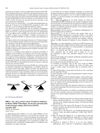
 DHEA supplementation may improve quality of life, neuropsychological functions, and sexual satisfaction in individuals with adrenal insufficiency, but more research is needed to confirm its safety and effectiveness.