 19 citations
,
October 2004 in “Best Practice & Research in Clinical Obstetrics & Gynaecology”
19 citations
,
October 2004 in “Best Practice & Research in Clinical Obstetrics & Gynaecology” The diagnosis of polycystic ovary syndrome (PCOS) requires a detailed patient history, ultrasound scanning, hormone level checks, and assessments of ovulation, obesity, and insulin resistance. It's a variable condition that needs individualized management and is a significant risk factor for type 2 diabetes.
Hirsutism is excessive male-pattern hair growth in women, often treated cosmetically or with hormone therapy if contraception is also desired.
 2 citations
,
October 2001 in “Analytical Sciences”
2 citations
,
October 2001 in “Analytical Sciences” A new compound that could treat various androgen-related conditions was created and analyzed.
 1 citations
,
January 2006
1 citations
,
January 2006 Hirsutism is mainly caused by high androgen levels or sensitivity, with PCOS being the most common cause.
 200 citations
,
October 2009 in “European journal of endocrinology”
200 citations
,
October 2009 in “European journal of endocrinology” Metformin helps manage polycystic ovary syndrome by improving insulin resistance and ovulation, but more research is needed on its full effects.
24 citations
,
January 2018 in “Indian Journal of Dermatology, Venereology and Leprology” Androgenetic alopecia is mainly caused by genetic factors and increased androgen activity, leading to hair follicle miniaturization.
December 2025 in “Current Issues in Molecular Biology” New steroid compounds may help with hormonal therapy and have potential benefits for glucose disorders, but more research is needed.
 March 2011 in “European Urology Supplements”
 The document concludes that a new biosensor can efficiently detect prostate cancer cells and that standardized referrals help find significant cancers effectively.
 159 citations
,
July 2006 in “Endocrine Reviews”
159 citations
,
July 2006 in “Endocrine Reviews” Estrogens significantly influence hair growth by interacting with receptors in hair follicles and may help regulate the hair growth cycle.
 33 citations
,
August 1985 in “Archives of Dermatology”
33 citations
,
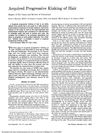
August 1985 in “Archives of Dermatology” Acquired Progressive Kinking of Hair is likely an early sign of male pattern baldness.
 January 2018 in “Elsevier eBooks”
 The document explains how male reproductive hormones work and affect the body.
March 1997 in “The Lancet” Hirsutism is abnormal male-pattern hair growth in females due to excess androgens.
3 citations
,
June 2015 in “CRC Press eBooks” Male pattern hair loss affects up to 80% of men due to genetics and hormone sensitivity.
May 2017 in “Hair transplant forum international” Medical treatments can help manage frontal fibrosing alopecia, but hair transplantation should be done cautiously and only if the disease is inactive.
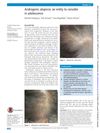 6 citations
,
July 2017 in “Case Reports”
6 citations
,
July 2017 in “Case Reports” Hair loss, known as androgenic alopecia, can start in teenage years and may not always be hormone-related. It's important to do extra tests in young cases and remember it can greatly affect a teenager's mental health.
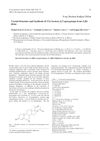 1 citations
,
January 2009 in “X-ray Structure Analysis Online”
1 citations
,
January 2009 in “X-ray Structure Analysis Online” A new compound was made that might help treat diseases related to male hormones.
 January 1992 in “Juntendo Medical Journal”
 Male pattern baldness is mainly caused by a hormone called dihydrotestosterone (DHT), and drugs that can block this hormone might help prevent hair loss.
8 citations
,
September 2005 in “Practical diabetes” PCOS is a condition causing irregular periods, excess male hormones, and infertility, often managed by targeting insulin resistance and specific symptoms.
 March 2025 in “International Journal of Trichology”
 FAPD in children may not depend on androgens and should be treated with anti-inflammatory measures and minoxidil.
 June 2023 in “Brazilian Journal of Health Review”
 Common baldness is a hereditary condition that can be treated with medications or surgery to prevent progression and improve self-esteem.
 8 citations
,
September 2010 in “Journal of Men's Health”
8 citations
,
September 2010 in “Journal of Men's Health” Androgenic Alopecia, a common hair loss condition, can be effectively treated with finasteride and other treatments.
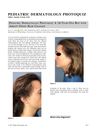 September 2017 in “Pediatric Dermatology”
 A 14-year-old boy was diagnosed with a rare hair condition that may lead to hair thinning and has no known effective treatments.
 16 citations
,
April 2017 in “Journal of Cosmetic Dermatology”
16 citations
,
April 2017 in “Journal of Cosmetic Dermatology” Ficus carica leaf extract may help treat skin disorders by reducing inflammation and androgen effects in skin cells.
 May 2015 in “Journal of The American Academy of Dermatology”
 A woman with Parry-Romberg syndrome developed new curly hair on one side of her scalp, a condition not previously linked to the syndrome.
 29 citations
,
August 2008 in “Current Opinion in Pediatrics”
29 citations
,
August 2008 in “Current Opinion in Pediatrics” Hair loss in teenagers is hard to treat and lacks a cure, with some treatments available depending on the type of hair loss.
124 citations
,
January 1996 in “Dermatology” 5 alpha-reductase inhibitors, like finasteride, are used to treat conditions like prostate issues and skin disorders.
74 citations
,
November 1975 in “Archives of dermatology” Increased DHT formation in skin can cause hair loss, acne, and excessive hair growth, and antiandrogens might treat these conditions.
 August 2021 in “Clinical and Experimental Dermatology”
 Children under 10 can experience hair thinning without hormone issues, and it may improve with treatment.
 22 citations
,
January 2001 in “Chemical & Pharmaceutical Bulletin”
22 citations
,
January 2001 in “Chemical & Pharmaceutical Bulletin” Some new progesterone derivatives are better at blocking testosterone conversion than a common drug.
 111 citations
,
August 2002 in “Journal of Medicinal Chemistry”
111 citations
,
August 2002 in “Journal of Medicinal Chemistry” New compounds were made that block an enzyme linked to breast cancer better than existing treatments.