24 citations
,
September 1995 in “The Journal of clinical endocrinology and metabolism/Journal of clinical endocrinology & metabolism” Medication and hair removal methods can improve hirsutism, but no drugs were specifically approved for it in North America as of 1995.
 105 citations
,
January 2009 in “Medicine”
105 citations
,
January 2009 in “Medicine” Hirsutism is more linked to high androgen levels than acne or hair loss, and a mix of hormonal tests is best for diagnosis; certain treatments can reduce symptoms.

The medicine Diane is effective in treating hair loss, severe acne, and excessive hair growth.
5 citations
,
July 2009 in “Experimental and Clinical Endocrinology & Diabetes” Nuclear AR levels give better insight into hormone effects in skin conditions.
 February 2025 in “Pharmaceuticals”
 Myo-inositol with magnesium effectively reduces acne and hirsutism in PCOS patients without side effects.
 October 2021 in “Meditsinskiy sovet = Medical Council”
 Cyproterone acetate improves skin symptoms and quality of life in women with androgen-related issues.
5 citations
,
September 1980 in “International Journal of Dermatology” Understanding hormones is key to treating certain skin conditions.
 1 citations
,
December 2022 in “Gynecological Endocrinology”
1 citations
,
December 2022 in “Gynecological Endocrinology” The most common skin issues in females with Polycystic Ovary Syndrome (PCOS) are excessive hair growth, hair loss, oily skin, acne, dark skin patches, and skin tags, which may be linked to hormone and insulin levels.
 6 citations
,
March 1982 in “Clinical and Experimental Dermatology”
6 citations
,
March 1982 in “Clinical and Experimental Dermatology” The document says that hair loss in women is often due to androgenic alopecia, similar to male baldness, and that hirsutism is treated with hormonal and cosmetic methods.
12 citations
,
December 2016 in “PubMed” Hirsutism involves excessive hair growth due to hormonal issues and can be treated with medication or surgery.
64 citations
,
January 1985 in “Clinical endocrinology” A combination of desogestrel and ethinyl oestradiol effectively reduces hair growth in hirsute women.
 53 citations
,
October 1984 in “Endocrine reviews”
53 citations
,
October 1984 in “Endocrine reviews” Excessive hair growth in women often has no known cause and is not linked to race or other hormonal symptoms.
 9 citations
,
March 2001 in “Clinics in dermatology”
9 citations
,
March 2001 in “Clinics in dermatology” Hirsutism in women is often due to hormone sensitivity and has significant psychological effects.
April 2025 in “The Obstetrician & Gynaecologist” Hirsutism is managed by assessing testosterone levels and using oral contraceptives, with ethical considerations on treatment access.
 165 citations
,
February 1994 in “Fertility and Sterility”
165 citations
,
February 1994 in “Fertility and Sterility” Flutamide is more effective and has fewer side effects than spironolactone for treating hirsutism.
30 citations
,
August 1984 in “Archives of Dermatology” Antiandrogen therapy, like cyproterone acetate, effectively treats acne, hirsutism, and hair loss.
3 citations
,
May 2002 in “PubMed” The document concludes that treatment for excessive hair growth depends on the cause, with options including hair removal methods and medications like anti-androgens or insulin-sensitizing drugs.
May 2026 in “Journal of Investigative Dermatology” Genetic factors, including a variant near the FGF5 gene, contribute to hirsutism and are linked to PCOS and metabolic traits.
 January 2023 in “Archives of Disease in Childhood Education & Practice”
 Hirsutism in teens is often due to polycystic ovarian syndrome and needs careful assessment and support.
A new easy-to-use biosensor was made to detect androgen receptor mRNA, which could help diagnose related conditions quickly.
June 2026 in “Reviews in Endocrine and Metabolic Disorders” Hirsutism needs a personalized, multidisciplinary treatment approach.
 16 citations
,
October 2009 in “Dermatology”
16 citations
,
October 2009 in “Dermatology” The spironolactone cream did not reduce hair growth in women with hirsutism.
 101 citations
,
April 1994 in “Baillière's clinical endocrinology and metabolism”
101 citations
,
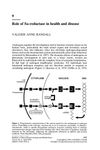
April 1994 in “Baillière's clinical endocrinology and metabolism” 5α-reductase is essential for male sexual development and its inhibitors have potential in treating various conditions related to hormone action.
51 citations
,
June 1970 in “British journal of dermatology/British journal of dermatology, Supplement” Antiandrogens may help treat conditions like excessive hair growth, prostate tumors, male baldness, and acne by blocking male hormone effects.
 7 citations
,
December 2004 in “Medicine”
7 citations
,
December 2004 in “Medicine” Knowing how skin works and its diseases helps doctors diagnose and treat skin conditions better.
 5 citations
,
June 2004 in “The Journal of The British Menopause Society”
5 citations
,
June 2004 in “The Journal of The British Menopause Society” Testosterone therapy can improve sexual satisfaction and mood in surgically menopausal women when used with estrogen, but its long-term safety and effects on naturally menopausal and premenopausal women are unclear.
 1 citations
,
October 2019 in “مجله كليه طب الكندي”
1 citations
,
October 2019 in “مجله كليه طب الكندي” Dapsone gel 5% is effective and safe for treating acne.
Spironolactone effectively treats hormonal acne, hair loss, and excess hair growth in women.
 July 2015 in “Cambridge University Press eBooks”
 The document concludes that treatments for female hair loss and excess body hair are available, but managing expectations is important.
Hirsutism is relatively common among young Greek women.