 1 citations
,
April 2023 in “Science Advances”
1 citations
,
April 2023 in “Science Advances” High levels of ERK activity are key for tissue regeneration in spiny mice, and activating ERK can potentially redirect scar-forming healing towards regenerative healing in mammals.
 January 2016 in “Human & Experimental Toxicology”
 A specific DNA sequence caused hair loss in male mice by activating immune cells and increasing a certain immune signal.
 16 citations
,
April 2017 in “Journal of Cosmetic Dermatology”
16 citations
,
April 2017 in “Journal of Cosmetic Dermatology” Ficus carica leaf extract may help treat skin disorders by reducing inflammation and androgen effects in skin cells.
 33 citations
,
August 1985 in “Archives of Dermatology”
33 citations
,
August 1985 in “Archives of Dermatology” Acquired Progressive Kinking of Hair is likely an early sign of male pattern baldness.
 19 citations
,
July 1990 in “Cleveland Clinic journal of medicine”
19 citations
,
July 1990 in “Cleveland Clinic journal of medicine” Androgen excess disorders in women were effectively treated with spironolactone, estrogen, and dexamethasone.
 April 2019 in “The journal of investigative dermatology/Journal of investigative dermatology”
 DHT may reduce inflammation caused by certain bacteria in skin cells.
 29 citations
,
October 1988 in “Journal of Steroid Biochemistry”
29 citations
,
October 1988 in “Journal of Steroid Biochemistry” Antiandrogens are effective for conditions like prostate cancer and skin issues, but more research is needed to confirm their benefits and minimize side effects.
 June 2018 in “Global Journal of Reproductive Medicine”
 Idiopathic hirsutism may be linked to increased skin enzyme activity, and new treatments like laser and eflornithine cream show promise.
26 citations
,
March 2018 in “Experimental Dermatology” Prolactin may influence skin glands and could be a target for treating acne and skin aging.
 April 2017 in “Journal of Investigative Dermatology”
 PRC1 influences skin stem cell development by both turning genes on and off, affecting hair growth and skin cell types.
 105 citations
,
January 2009 in “Medicine”
105 citations
,
January 2009 in “Medicine” Hirsutism is more linked to high androgen levels than acne or hair loss, and a mix of hormonal tests is best for diagnosis; certain treatments can reduce symptoms.
Hormonal treatments can help with hair loss, acne, and excess hair growth, but it takes 3-6 months to see results and patients should know the possible side effects.
 14 citations
,
January 2015 in “Hormones and Cancer”
14 citations
,
January 2015 in “Hormones and Cancer” Androgen receptor inactivation delays skin cancer onset and reduces incidence in mice, with gender differences in susceptibility.
 48 citations
,
January 2000 in “Hormone Research in Paediatrics”
48 citations
,
January 2000 in “Hormone Research in Paediatrics” Cytokines and neuropeptides are key in controlling androgen levels, affecting skin and hair conditions.
 65 citations
,
October 1999 in “Journal of The American Academy of Dermatology”
65 citations
,
October 1999 in “Journal of The American Academy of Dermatology” Finasteride effectively reduces hair loss by decreasing androgen levels.
 31 citations
,
October 2005 in “British Journal of Dermatology”
31 citations
,
October 2005 in “British Journal of Dermatology” Hair loss in women not always linked to increased oil production; other factors may be involved.
 June 2021 in “EBioMedicine”
 The authors maintain that shorter androgen receptor alleles may lead to milder COVID-19 by positively affecting the immune response, not due to changes in testosterone levels or activity.
 100 citations
,
September 2017 in “Molecular and Cellular Endocrinology”
100 citations
,
September 2017 in “Molecular and Cellular Endocrinology” Male hormones and their receptors play a key role in hair loss and skin health, with potential new treatments being explored.
 July 2015 in “Cambridge University Press eBooks”
 Androgens like testosterone affect skin health and can lead to conditions such as acne and hair loss, with various treatments available.
 37 citations
,
June 2021 in “Journal of the European Academy of Dermatology and Venereology”
37 citations
,
June 2021 in “Journal of the European Academy of Dermatology and Venereology” Adult skin quickly reacts to short-term environmental and internal stress, leading to various skin issues and the need for protective measures.
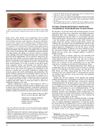 16 citations
,
August 2011 in “Annals of Allergy Asthma & Immunology”
16 citations
,
August 2011 in “Annals of Allergy Asthma & Immunology” A woman with severe angioedema improved significantly after treatment with rituximab.
 130 citations
,
June 2003 in “Journal of Investigative Dermatology Symposium Proceedings”
130 citations
,
June 2003 in “Journal of Investigative Dermatology Symposium Proceedings” Estrogen Receptor ß (ERß) is the main hormone controller in human skin and hair follicles, not Estrogen Receptor α (ERα) or the Androgen Receptor (AR).
 38 citations
,
July 1989 in “Archives of dermatological research”
38 citations
,
July 1989 in “Archives of dermatological research” Testosterone causes hair loss in AGA mice, which are good for testing baldness treatments, and both minoxidil and cyproterone acetate can prevent this hair loss.
 15 citations
,
January 1998 in “Journal of Clinical Periodontology”
15 citations
,
January 1998 in “Journal of Clinical Periodontology” Finasteride helps treat hair loss by blocking enzyme activity.
 196 citations
,
May 2001 in “The journal of investigative dermatology/Journal of investigative dermatology”
196 citations
,
May 2001 in “The journal of investigative dermatology/Journal of investigative dermatology” Sebocytes play a key role in controlling androgen levels in human skin.
 21 citations
,
November 2022 in “Frontiers in immunology”
21 citations
,
November 2022 in “Frontiers in immunology” Sebaceous glands play a key role in skin health, immunity, and various skin diseases.
 April 2017 in “Journal of Investigative Dermatology”
 Hair loss patterns differ between males and females due to 5 master regulators and JAK-STAT signaling affects hair growth.
 23 citations
,
December 2004 in “Differentiation”
23 citations
,
December 2004 in “Differentiation” Sex hormones affect hair and feather growth and may help manage alopecia and hormone-dependent cancers.
 78 citations
,
January 2000 in “Gynecological Endocrinology”
78 citations
,
January 2000 in “Gynecological Endocrinology” Norgestimate is the most effective birth control progestin for reducing an enzyme linked to acne and excessive hair growth in women.
 8 citations
,
May 1982 in “Journal of Endocrinology/Journal of endocrinology”
8 citations
,
May 1982 in “Journal of Endocrinology/Journal of endocrinology” Rat skin takes up and processes testosterone differently than other organs, with testosterone being more important for the skin than its metabolite 5α-DHT.