 18 citations
,
February 2018 in “International Journal of Molecular Sciences”
18 citations
,
February 2018 in “International Journal of Molecular Sciences” PGD2 increases androgen receptor activity in hair cells, which could be targeted to treat hair loss.
 58 citations
,
January 2006 in “Skin Pharmacology and Physiology”
58 citations
,
January 2006 in “Skin Pharmacology and Physiology” High levels of testosterone and 5α-DHT can lead to cell death in cells important for hair growth.
 January 1998 in “KAGAKU TO SEIBUTSU”
 The document suggests that male hormones likely affect hair growth and baldness, and future treatments might involve stem cells and androgen-independent cells.
 April 2015 in “Experimental Dermatology”
 Melanoma risk tools need improvement, certain gene mutations cause skin diseases and could be treated by targeting those mutations, skin wrinkling may relate to lung aging due to genetic factors, and oxidative stress affects hair loss but can be reduced in low oxygen.
 24 citations
,
March 2001 in “Journal of Endocrinology/Journal of endocrinology”
24 citations
,
March 2001 in “Journal of Endocrinology/Journal of endocrinology” Red deer only have androgen receptors in neck hair cells for mane growth during breeding season.
 56 citations
,
September 2013 in “Journal of Biochemistry and Molecular Biology”
56 citations
,
September 2013 in “Journal of Biochemistry and Molecular Biology” Androgens increase a growth factor in hair cells by creating reactive oxygen species, and antioxidants might help treat hair loss.
 30 citations
,
November 2013 in “PLOS ONE”
30 citations
,
November 2013 in “PLOS ONE” Androgen receptor signaling causes early aging of cells important for hair growth by damaging their DNA.
 15 citations
,
May 2020 in “BMC complementary medicine and therapies”
15 citations
,
May 2020 in “BMC complementary medicine and therapies” Polygonum multiflorum extract helps hair grow longer and fights the effects of hormones that cause hair loss.
 6 citations
,
November 2020 in “Molecular and Cellular Endocrinology”
6 citations
,
November 2020 in “Molecular and Cellular Endocrinology” Androgens reduce BMP2, which weakens the ability of certain cells to help hair stem cells become different types of cells.
 190 citations
,
October 2002 in “The FASEB journal”
190 citations
,
October 2002 in “The FASEB journal” Androgens may cause hair loss by increasing TGF-beta1 from scalp cells, which inhibits hair cell growth.
 27 citations
,
September 1999 in “Journal of Investigative Dermatology”
27 citations
,
September 1999 in “Journal of Investigative Dermatology” Human skin cells contain Protease Nexin-1, and male hormones can decrease its levels, potentially affecting hair growth.
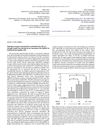 19 citations
,
September 2011 in “Journal of Dermatological Science”
19 citations
,
September 2011 in “Journal of Dermatological Science” TGF-β1 increases androgen receptor activity in hair loss, but Hic-5/ARA55 can counter this effect.
 March 1998 in “Journal of dermatological science”
 Protease Nexin-1 is found in human hair growth cells and is affected by male hormones.
51 citations
,
November 1998 in “The journal of investigative dermatology/Journal of investigative dermatology” Beard cells, unlike scalp cells, produce growth factors in response to testosterone, which may explain differences in hair growth.
 13 citations
,
November 2010 in “Experimental Dermatology”
13 citations
,
November 2010 in “Experimental Dermatology” Vitamin C derivative reduces hair loss-related protein in cells.
 2 citations
,
January 2022 in “Skin Pharmacology and Physiology”
2 citations
,
January 2022 in “Skin Pharmacology and Physiology” Dexamethasone increases the activity of androgen receptors in human skin cells, which may link it to certain types of hair loss.
 June 2025 in “Current Issues in Molecular Biology”
 Meloside A may help protect hair cells from damage linked to hair loss.
231 citations
,
December 1999 in “Journal of Investigative Dermatology” Hair follicle size is mainly influenced by the number of cells and extracellular matrix volume, with cell number having a larger impact.
 122 citations
,
November 2010 in “Journal of Dermatological Science”
122 citations
,
November 2010 in “Journal of Dermatological Science” Male pattern baldness involves hormones and cell signals affecting hair growth.
 December 2023 in “European Journal of Pharmacology”
 C3G and Vitisin A may help prevent hair loss by blocking male hormones and stopping hair cell death.
 4 citations
,
September 2020 in “PeerJ”
4 citations
,
September 2020 in “PeerJ” Platelet factor 4 slows down hair growth and could make hair loss treatments more effective if removed.
 1 citations
,
January 2022 in “BMC Genomic Data”
1 citations
,
January 2022 in “BMC Genomic Data” The study found that androgen receptors in skin cells mainly affect the focal adhesion pathway and control the caveolin-1 gene, with implications for new treatments for related diseases.
Avicennia Marina extract and avicequinone C can reduce hair loss hormone production and increase hair growth factors, suggesting they could be used to treat androgenic alopecia.
November 2025 in “Journal of Investigative Dermatology” Minoxidil helps hair growth by improving blood vessel function.
 17 citations
,
December 2001 in “Journal of Investigative Dermatology”
17 citations
,
December 2001 in “Journal of Investigative Dermatology” The osteopontin gene is active in a specific part of rat hair follicles during a certain hair growth phase and might affect hair cycle and diseases.
December 2024 in “International Journal of Molecular Sciences” Targeting CXCL12 may help treat hair loss caused by androgens.
 December 2023 in “Scientific Reports”
 Scientists created cell lines from balding patients and found that cells from the front of the scalp are more affected by hormones that cause hair loss than those from the back.
 November 2022 in “Scientific Data”
 The research identified genes and non-coding RNAs in cells that could be affected by testosterone, which may help understand hair loss and prostate cancer.
 1 citations
,
May 2017 in “InTech eBooks”
1 citations
,
May 2017 in “InTech eBooks” Hair loss in Androgenetic alopecia (AGA) is due to altered cell sensitivity to hormones, not increased hormone levels. Hair growth periods shorten over time, causing hair to become thinner and shorter. This is linked to miscommunication between cell pathways in hair follicles. There's also a change in gene expression related to blood vessels and cell growth in balding hair follicles. The exact molecular causes of AGA are still unclear.
 56 citations
,
August 2005 in “Journal of Investigative Dermatology Symposium Proceedings”
56 citations
,
August 2005 in “Journal of Investigative Dermatology Symposium Proceedings” Different women's hair and skin glands respond to hormones in varied ways, which can cause unwanted hair growth even with normal hormone levels, and more research is needed to treat this effectively.