 224 citations
,
March 2006 in “Seminars in Cutaneous Medicine and Surgery”
224 citations
,
March 2006 in “Seminars in Cutaneous Medicine and Surgery” The document concludes that understanding hair follicle biology can lead to better hair loss treatments.
 97 citations
,
November 1986 in “Journal of Steroid Biochemistry”
97 citations
,
November 1986 in “Journal of Steroid Biochemistry” Antiandrogens affect androgen-dependent body functions and are used for various medical conditions, with some risks like fetus feminization, but new forms like 17α-propylmesterolone show promise for acne without systemic effects.
 76 citations
,
November 2009 in “Medical Clinics of North America”
76 citations
,
November 2009 in “Medical Clinics of North America” Hormones, especially androgens, play a key role in acne, which can be a symptom of systemic diseases like PCOS and may require targeted treatment.
 November 2025 in “International Journal of Recent Innovations in Medicine and Clinical Research”
 Understanding different types of hair loss helps in accurate diagnosis and treatment.
 118 citations
,
September 2004 in “Clinics in Dermatology”
118 citations
,
September 2004 in “Clinics in Dermatology” Hormones, especially androgens, play a big role in acne, but most acne sufferers don't have a hormone disorder. Hormonal treatments, including birth control pills, can be very effective for women whose acne doesn't improve with regular treatments.
 20 citations
,
June 2007 in “Recent Patents on Endocrine, Metabolic & Immune Drug Discovery”
20 citations
,
June 2007 in “Recent Patents on Endocrine, Metabolic & Immune Drug Discovery” Certain inhibitors can potentially treat prostate cancer and other hormone-dependent conditions by controlling sex hormone levels in cells.
 48 citations
,
April 2010 in “Journal of the European Academy of Dermatology and Venereology”
48 citations
,
April 2010 in “Journal of the European Academy of Dermatology and Venereology” Men are more likely to get infectious skin diseases, while women are more prone to autoimmune and pigment-related skin conditions, influenced by biological and environmental factors.
 29 citations
,
March 2019 in “British Journal of Dermatology”
29 citations
,
March 2019 in “British Journal of Dermatology” Acne is significantly influenced by genetics, and understanding its genetic basis could lead to better, targeted treatments.
 18 citations
,
October 2012 in “Dermatologic Clinics”
18 citations
,
October 2012 in “Dermatologic Clinics” Early diagnosis and aggressive treatment are key for managing rare scalp disorders that cause permanent hair loss.
 3 citations
,
April 2015 in “American journal of biomedical sciences”
3 citations
,
April 2015 in “American journal of biomedical sciences” Androgens play a key role in hair growth and disorders like baldness and excessive hairiness.
 May 2026 in “Endocrine Connections”
 Androgenetic alopecia in PCOS is linked to insulin resistance, inflammation, and genetics, not just hormones.
51 citations
,
November 1998 in “The journal of investigative dermatology/Journal of investigative dermatology” Beard cells, unlike scalp cells, produce growth factors in response to testosterone, which may explain differences in hair growth.
 16 citations
,
September 2008 in “Dermatologic Therapy”
16 citations
,
September 2008 in “Dermatologic Therapy” CAH is a genetic disorder affecting cortisol production and causing hormonal imbalances, with treatment and diagnosis varying by form and symptoms.
 29 citations
,
September 2012 in “Dermatologic Clinics”
29 citations
,
September 2012 in “Dermatologic Clinics” Hair disorders are caused by a complex mix of biology, genetics, hormones, and environmental factors, affecting hair growth and leading to conditions like alopecia.
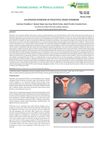 1 citations
,
June 2019 in “Innovare journal of medical sciences”
1 citations
,
June 2019 in “Innovare journal of medical sciences” Polycystic Ovary Syndrome (PCOS) is a hormonal disorder in women that can cause infertility and other health issues, and it may be improved by treatments that increase insulin sensitivity.
 November 2020 in “Elsevier eBooks”
 Antiandrogens and androgen inhibitors like spironolactone, finasteride, and dutasteride can treat hair loss and skin conditions, but they have risks and side effects, including potential harm to pregnant women and risks of cancer and heart issues. Herbal remedies also have antiandrogenic effects but lack safety validation.
 46 citations
,
June 2015 in “Journal of Investigative Dermatology”
46 citations
,
June 2015 in “Journal of Investigative Dermatology” Androgen receptor activity blocks Wnt/β-catenin signaling, affecting hair growth and skin cell balance.
8 citations
,
July 2022 in “Clinical and Experimental Dermatology” Menopause can cause oral health issues like dry mouth and burning sensations.
 27 citations
,
January 1984 in “Pharmacology & Therapeutics”
27 citations
,
January 1984 in “Pharmacology & Therapeutics” Antiandrogens have important biological effects, but more research is needed to understand them fully and compare their effectiveness and side effects to other treatments.
 December 2017 in “Springer eBooks”
 Transplant patients often get skin problems, with treatments varying by condition.
 62 citations
,
August 2018 in “Frontiers in Endocrinology”
62 citations
,
August 2018 in “Frontiers in Endocrinology” Androgens are important for normal ovarian function and estrogen production, but may not be the main cause of follicle death.
 100 citations
,
September 2017 in “Molecular and Cellular Endocrinology”
100 citations
,
September 2017 in “Molecular and Cellular Endocrinology” Male hormones and their receptors play a key role in hair loss and skin health, with potential new treatments being explored.
 June 2008 in “British Journal of Dermatology”
 Herpes gestationis is linked to certain antigens, atopic eczema affects T cell populations and may be eased by breastfeeding, higher doses of anti-androgen treatment can improve androgenic alopecia, topical minoxidil increases hair thickness, long-term methotrexate therapy can cause liver fibrosis in psoriasis patients, and Lichen Sclerosus et Atrophicus patients aren't at higher risk for autoimmune disorders.
 12 citations
,
October 1995 in “The Journal of Clinical Endocrinology & Metabolism”
12 citations
,
October 1995 in “The Journal of Clinical Endocrinology & Metabolism” Skin changes can indicate hormonal imbalances and help diagnose endocrine disorders.
 January 2014 in “Journal of Investigative Dermatology”
 Proteins like aPKC and PDGF-AA, substances like adenosine and ATP, and adipose-derived stem cells all play important roles in hair growth and health, and could potentially be used to treat hair loss and skin conditions.
 4 citations
,
January 2012 in “Chemical Immunology”
4 citations
,
January 2012 in “Chemical Immunology” Some drugs, especially biologics, can cause skin reactions that look like other skin diseases, and stopping the drug usually helps clear up these reactions.
 January 2018 in “Stem cell biology and regenerative medicine”
 The nucleus is key in controlling skin growth and repair by coordinating signals, gene regulators, and epigenetic changes.
289 citations
,
May 2003 in “Journal of Investigative Dermatology” Human skin can produce steroids from cholesterol.
7 citations
,
December 2024 in “Journal of the American Academy of Dermatology” Genetics, hormones, and microbiome changes contribute to hidradenitis suppurativa.
76 citations
,
October 2016 in “Clinics in dermatology” Sex hormones, especially androgens, play a key role in causing acne.