 July 2015 in “Egyptian Journal of Dermatology and Venereology”
 People with androgenetic alopecia, both men and women, are more likely to develop heart diseases in the future.
61 citations
,
April 2018 in “Frontiers in endocrinology” Sex steroids produced in the hippocampus are crucial for brain functions like memory and learning in rodents.
4 citations
,
August 2024 in “PLoS ONE” Both injectable contraceptives lower testosterone and SHBG levels, with NET-EN having a greater effect than DMPA-IM.
 December 2024 in “Era s journal of medical research”
 Genetic variants in CYP genes may worsen PCOS symptoms.

Fetal environments contain various chemicals that may disrupt hormones.
 1 citations
,
January 2015 in “Hair therapy & transplantation”
1 citations
,
January 2015 in “Hair therapy & transplantation” Some supplements and hormones can increase hair loss by raising DHT levels.
 34 citations
,
December 2015 in “Neuroscience & Biobehavioral Reviews”
34 citations
,
December 2015 in “Neuroscience & Biobehavioral Reviews” Some hormone-related drugs may protect brain cells in Parkinson's disease differently in men and women.
 14 citations
,
December 1998 in “The Journal of Clinical Endocrinology and Metabolism”
14 citations
,
December 1998 in “The Journal of Clinical Endocrinology and Metabolism” MENT could be a better option than testosterone for male hormone therapy and birth control because it works well at lower doses and has fewer side effects on the prostate.
 11 citations
,
August 2020 in “Diabetes”
11 citations
,
August 2020 in “Diabetes” Testosterone helps human pancreatic cells increase insulin release.
 2 citations
,
June 2020 in “AIDS”
2 citations
,
June 2020 in “AIDS” Recreational drug use can cause misdiagnosed conditions and drug interactions in HIV patients.
 2 citations
,
October 2015 in “Primary Care: Clinics in Office Practice”
2 citations
,
October 2015 in “Primary Care: Clinics in Office Practice” Doctors should diagnose hair loss by examining the patient and possibly doing tests, and then treat it based on the type, which may prevent permanent hair loss.
 July 2023 in “Endocrinology, diabetes & metabolism case reports”
 Sertoliform endometrioid carcinoma of the ovary, though rare, has a good prognosis when treated early.
 13 citations
,
December 2020 in “Dermatologic Therapy”
13 citations
,
December 2020 in “Dermatologic Therapy” Sebaceous glands in our skin, developing during pregnancy and active in puberty, produce sebum for skin lubrication, temperature control, and fighting germs, also help in hormone regulation, and their dysfunction can cause conditions like acne and hair loss.
 166 citations
,
October 2018 in “Endocrine Reviews”
166 citations
,
October 2018 in “Endocrine Reviews” Hormone treatments for transgender individuals generally improve mental health and physical transition, with some health risks that require medical supervision.
 122 citations
,
November 2010 in “Journal of Dermatological Science”
122 citations
,
November 2010 in “Journal of Dermatological Science” Male pattern baldness involves hormones and cell signals affecting hair growth.
 53 citations
,
January 2006 in “The Journal of clinical endocrinology and metabolism/Journal of clinical endocrinology & metabolism”
53 citations
,
January 2006 in “The Journal of clinical endocrinology and metabolism/Journal of clinical endocrinology & metabolism” Reduced AR gene methylation may cause early pubic hair growth in girls.
 46 citations
,
May 2012 in “Molecular and Cellular Endocrinology”
46 citations
,
May 2012 in “Molecular and Cellular Endocrinology” Human skin produces sex hormones like estrogen and testosterone, influenced by ARO and StAR, which may affect skin elasticity and hair growth.
 29 citations
,
September 2012 in “Dermatologic Clinics”
29 citations
,
September 2012 in “Dermatologic Clinics” Hair disorders are caused by a complex mix of biology, genetics, hormones, and environmental factors, affecting hair growth and leading to conditions like alopecia.
 26 citations
,
February 2009 in “Drug Development Research”
26 citations
,
February 2009 in “Drug Development Research” 17α-estradiol is a safe estrogen that might protect the brain and doesn't cause feminization, needing more research for treating brain diseases.
 17 citations
,
December 2004 in “The Journal of Men's Health & Gender”
17 citations
,
December 2004 in “The Journal of Men's Health & Gender” Male pattern baldness involves hormone-related hair thinning, shorter hair, and inflammation.
 9 citations
,
July 2021 in “Essays in Biochemistry”
9 citations
,
July 2021 in “Essays in Biochemistry” Sex hormones may influence COVID-19 severity, with males at higher risk, and certain hormone therapies could potentially treat the virus.
 9 citations
,
March 2018 in “International Journal of Cancer”
9 citations
,
March 2018 in “International Journal of Cancer” Men with frontal male pattern baldness may have a higher risk of gastric cancer.
8 citations
,
November 2024 in “Journal of Neuroendocrinology” Gut bacteria affect steroid levels, influencing health conditions and potential treatments.
 7 citations
,
December 2008 in “Journal of Dermatological Science”
7 citations
,
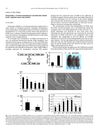
December 2008 in “Journal of Dermatological Science” Progranulin overexpression leads to shorter, thinner hair and increased cell death in mouse hair follicles.
 3 citations
,
March 2021 in “Metabolites”
3 citations
,
March 2021 in “Metabolites” Hair loss causes differ between men and women due to changes in hormone levels and inflammation-related pathways.
 30 citations
,
March 2010 in “European Journal of Dermatology”
30 citations
,
March 2010 in “European Journal of Dermatology” Hair loss in elderly women is often caused by various factors, including hormonal changes after menopause.
 22 citations
,
May 1999 in “International Journal of Dermatology”
22 citations
,
May 1999 in “International Journal of Dermatology” Hair loss from genetics and hormones can be treated with drugs or surgery.
 14 citations
,
October 2019 in “International Journal of Women's Health”
14 citations
,
October 2019 in “International Journal of Women's Health” Menopausal acne is treated with medications and lifestyle changes, but careful choice is needed due to side effects.
9 citations
,
February 2022 in “Biomedicines” Testosterone treatment may change estrogen receptor methylation in AFAB individuals.
 6 citations
,
October 2005 in “Indian Journal of Dermatology”
6 citations
,
October 2005 in “Indian Journal of Dermatology” The document discusses male and female pattern hair loss, its diagnosis methods, FDA-approved treatments like finasteride and minoxidil, their side effects, and the role of lifestyle changes.