Search
for
Sort by
Research
480-510 / 1000+ resultsresearch Comprehensive Evaluationof Tectonagrandis L.f.: Integrated In Vitro and In Silico Analysis of Steroid 5α-ReductaseInhibition and Anti-Inflammatory Properties
Tectona grandis leaves may help treat hair loss and inflammation.
research Androgen receptor signaling as a new target for intervention in acute myeloid leukemia
Targeting androgen receptor signaling may improve acute myeloid leukemia treatment.
research Preliminary pharmacokinetics and metabolism of novel non-steroidal antiandrogens in the rat: Relation of their systemic activity to the formation of a common metabolite
Two non-steroidal antiandrogens, RU 58841 and RU 56187, form a common metabolite at different rates, which may influence their effects; RU 56187 could be used for prostate cancer treatment and RU 58841 for acne treatment.
research FORMULATION AND EVALUATION OF TOPICAL GEL CONTAINING HAIR GROWTH PROMOTERS FOR THE TREATMENT OF ANDROGENIC ALOPECIA
The emulgel formulation F6 released more Minoxidil than the gel formulation F1.
research Temperature-responsive detachable microneedles integrated with minoxidil nanoparticle for effectively promoting hair regrowth
A new microneedle system with minoxidil nanoparticles effectively promotes hair regrowth with fewer side effects.
research LB1139 AMP-303 injectable treatment for androgenetic alopecia: A multicenter, randomized, placebo-controlled feasibility study of a novel polysaccharide
AMP-303 safely increases hair growth in men with hair loss.
research Recent Progress in Health Benefits of Hederagenin and Its Glycosides
Hederagenin shows promise for cancer and inflammation treatment but needs modifications to improve effectiveness.
research Minoxidil in the treatment of androgenetic alopecia
Minoxidil helps treat pattern hair loss in both men and women.
research Androgenetic Alopecia
research Synthesis and 5α-Reductase Inhibitory Activity of C21 Steroids Having 1,4-diene or 4,6-diene 20-ones and 4-Azasteroid 20-Oximes
Three specific 4-azasteroid-2-oximes showed strong enzyme inhibition, but less than finasteride.
research 260 Anti-OX40 monoclonal antibody IMG-007 exhibited clinical activity of hair regrowth, suppressed scalp inflammatory biomarkers in patients with severe alopecia areata in a Ph1b/2a study
IMG-007 helps regrow hair and reduce scalp inflammation in severe alopecia areata.

research A genomic approach to susceptibility and pathogenesis leads to identifying potential novel therapeutic targets in androgenetic alopecia
Genomic approach finds new possible treatments for hair loss.
research ALOPECIA ANDROGENÉTICA: DIAGNÓSTICO, TERAPIAS CLÍNICAS E PROCEDIMENTOS ESTÉTICOS
Alopecia androgenética is common hair loss affecting self-esteem, treatable with medications and procedures.
research Androgenetic alopecia
Androgenetic alopecia is common, affects self-image, and has no complete cure yet.

research Drugs and Androgenetic Alopecia: What to look out for
Certain drugs can worsen hair loss in people prone to androgenetic alopecia.
research Андрогенный статус у пациентов с андрогенетической алопецией
Men with male pattern baldness may not have different hormone levels, but their hair follicles are likely more sensitive to hormones.
research Ionic liquid–coated Eudragit RS nanoparticles for topical delivery of honokiol to remodel the hair follicle microenvironment in androgenic alopecia
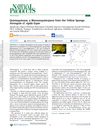
research Quintaquinone, a Merosesquiterpene from the Yellow Sponge Verongula cf. rigida Esper
A new compound from a sponge strongly inhibits an enzyme linked to male-pattern hair loss without being toxic at low levels.

research [Experience in treating androgen-dependent diseases (androgenetic alopecia, acne agminata, hirsutism) with the preparation Diane].
The medicine Diane is effective in treating hair loss, severe acne, and excessive hair growth.
research Male and Female Androgenetic Alopecia
AGA causes permanent hair loss; minoxidil helps men, finasteride helps men, minoxidil somewhat helps women, estrogens/antiandrogens lack evidence for women.

research ENHANCEMENT OF FOLLICULAR DELIVERY OF FINASTERIDE IN NIOSOMALAND PRONIOSOMAL GEL FORM FOR TREATING ANDROGENETIC ALOPECIA
Finasteride, a hair loss treatment, works better and is more stable when delivered through specially prepared gels, leading to increased hair growth.
research Bifunctional sodium hyaluronate microneedle patches integrating 5α-reductase and ROS regulation for boosted hair regeneration
The microneedle patch boosts hair growth by reducing DHT and oxidative stress.
research Androgenic Alopecia
Androgenic Alopecia, a common hair loss condition, can be effectively treated with finasteride and other treatments.
research Pharmacological therapeutics in androgenetic alopecia
Minoxidil and finasteride are effective for treating hair loss, with dutasteride showing potential but with side effects.

research Nanostructured Drug Delivery Systems for Targeting 5-α-Reductase Inhibitors to the Hair Follicle
Nanostructured delivery systems could potentially improve hair loss treatment by targeting drugs to hair follicles, reducing side effects and dosage, but the best size, charge, and materials for these systems need further investigation.
research Dihydrotestosterone-induced hair regrowth inhibition by activating androgen receptor in C57BL6 mice simulates androgenetic alopecia
DHT stops hair regrowth in mice, similar to human hair loss.
research Recent advances in thiasteroids chemistry
New sulfur-containing steroid analogs show promise for more targeted medical treatments.
research How to Understand and Use the Guideline for Management of Androgenetic Alopecia in Clinical Practice
Treat androgenetic alopecia early with recommended medications or consider hair grafts and wigs if unresponsive.

research Crosstalk between Immune Microenvironment and Hair Follicle Cells Underlies Sexual Dimorphism in Androgenetic Alopecia
Hair loss in males and females is influenced by immune cell interactions, with potential treatments identified.