January 2006 in “Chinese Journal of Dermatology” Amelanotic melanocytes from hair follicles are immature and likely don't transfer melanosomes to keratinocytes.
Four transcription factors can convert mouse cells into hair cell-like cells, aiding hearing loss research and treatment.
Deleting Twist1 in skin cells reduces UVB-induced skin cancer risk.
February 2026 in “Journal of Dermatological Treatment” CG2001 is safe and well-tolerated for treating hair loss, with fewer side effects than oral finasteride.
 6 citations
,
February 2023 in “Journal of nanobiotechnology”
6 citations
,
February 2023 in “Journal of nanobiotechnology” The new anti-acne treatment HA-P5 effectively reduces acne by targeting two key receptors and avoids an enzyme that can hinder treatment.
 April 2023 in “Journal of Investigative Dermatology”
 Changing YBX1 protein activity affects skin stem cell function and aging.
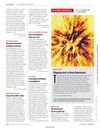
Activin A increases inner ear hair cell development, while follistatin decreases it.
January 2024 in “Animals” Circular RNA ERCC6 helps activate stem cells important for cashmere goat hair growth by interacting with specific molecules in an m6A modification-dependent way.
11 citations
,
November 2011 in “The Journal of Dermatology” Connexin-26 gene mutations may increase cancer risk in KID syndrome patients.
May 2025 in “Dermatology Reports” A genetic mutation in the LIPH gene causes a rare hair disorder with sparse, curly hair.
 3 citations
,
August 2014 in “Journal of The American Academy of Dermatology”
3 citations
,
August 2014 in “Journal of The American Academy of Dermatology” Filaggrin mutations are linked to atopic dermatitis and help explain how genetics and environment affect the disease.
 January 2023 in “Indian dermatology online journal”
 A child with ectodermal dysplasia-syndactyly syndrome has a new mutation in the NECTIN4 gene.
 21 citations
,
February 2017 in “PLoS ONE”
21 citations
,
February 2017 in “PLoS ONE” RhoA helps skin stem cells grow, aiding wound healing.
April 2023 in “Journal of Investigative Dermatology” Chronic graft-versus-host disease in the skin shows strong Th1 immune response and unique barrier issues.
 182 citations
,
August 2016 in “Development”
182 citations
,
August 2016 in “Development” ATP-dependent chromatin-remodeling complexes are crucial for gene regulation, cell differentiation, and organ development in mammals.
 January 2008 in “Yearbook of Dermatology and Dermatologic Surgery”
 Scientists can make stem cells that can turn into any cell type.
13 citations
,
June 2020 in “International Journal of Molecular Sciences” HNG helps hair grow by keeping hair in the growth phase longer.
30 citations
,
January 2013 in “Human Mutation” A mutation in the HOXC13 gene causes hair and nail problems in a Syrian family.
 129 citations
,
January 2007 in “Otology & Neurotology”
129 citations
,
January 2007 in “Otology & Neurotology” Gene therapy with the Math1 gene helped regenerate balance-related cells and improve balance in mice.
12 citations
,
December 2013 in “Immunological Investigations” The SNP rs6457452 is linked to a higher risk of alopecia areata in Koreans.
 2 citations
,
June 2023 in “Journal of cell science”
2 citations
,
June 2023 in “Journal of cell science” Mutations in iRhom2 affect hair and skin in mice and are linked to esophageal cancer, with ADAM17 playing a crucial role.
2 citations
,
January 2014 in “Photochemical & photobiological sciences” Grasp protein helps maintain skin health after UVB exposure.
39 citations
,
January 2020 in “Frontiers in Genetics” PDGFC gene may help select goats with desirable curly wool traits.
14 citations
,
September 2006 in “Experimental Dermatology” Interleukin‐1 α reduces androgen receptor levels and increases certain cytokines in human scalp cells.
 55 citations
,
August 2008 in “Reviews in endocrine and metabolic disorders”
55 citations
,
August 2008 in “Reviews in endocrine and metabolic disorders” Nonclassic adrenal hyperplasia is a genetic condition that can cause early puberty and fertility problems, treated with specific steroids.
 July 1991 in “Endocrinology”
 The document contains an error.
2 citations
,
July 2012 in “BMJ” FFA can be mistaken for rosacea, requiring specific treatment for accurate diagnosis and management.
January 1990 in “대한피부과학회지” Peanut agglutinin staining helps differentiate malignant melanoma from nevocellular nevus.
Integrating ABI screening in clinics can improve patient care for those at risk of peripheral artery disease.
 1 citations
,
January 2021 in “Journal of biological chemistry/The Journal of biological chemistry”
1 citations
,
January 2021 in “Journal of biological chemistry/The Journal of biological chemistry” FLCN helps control iron levels in cells.