November 2025 in “OPAL (Open@LaTrobe) (La Trobe University)” Androgenetic alopecia negatively impacts mental health, suggesting a need for psychological support in treatment.
April 2018 in “Journal of Investigative Dermatology” Screening for the NUDT15 gene variant can prevent severe side effects from thiopurine drugs in East-Asian people.
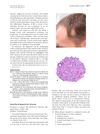
The man has Temporal Triangular Alopecia, a stable, non-scarring hair loss condition best treated with hair transplantation.
January 2013 in “Shiyong yixue zazhi” Astraglus polysaccharide may help hair growth by boosting follicle stem cell activity.
November 2025 in “Transfusion Medicine and Hemotherapy” Platelet-rich plasma boosts hair growth by enhancing autophagy.
 January 2012 in “Medizinisch Wissenschaftliche Verlagsgesellschaft eBooks”
 The document is about male pattern baldness.
January 2013 in “프로그램북(구 초록집)” The Hair660™ light therapy device effectively and safely improves hair density in people with androgenetic alopecia.
 13 citations
,
March 2017 in “Genomics”
13 citations
,
March 2017 in “Genomics” Genomic approach finds new possible treatments for hair loss.
8 citations
,
January 2017 in “Journal of Biological Chemistry” Astrotactin-2 is cleaved in a specific way that helps understand its maturation.
 11 citations
,
March 2013 in “Gene”
11 citations
,
March 2013 in “Gene” A certain genetic variation in the IL1A gene may lower the risk of a hair loss condition in Chinese people.
 January 2017 in “Clinical & medical biochemistry”
 Certain gene variations in AKT2 are more common in women with PCOS and are linked to higher levels of specific hormones and symptoms.
November 2025 in “The Journal of Immunology” BST2 is highly expressed in certain immune cells in alopecia areata, suggesting a role in the disease.
3 citations
,
July 2022 in “Indian Journal of Dermatology” ALEP is a drug-triggered skin reaction with pustules that clears up in a week after stopping the drug.
 January 2022 in “Social Science Research Network”
 The Ar/miR-221/IGF-1 pathway is involved in male pattern baldness, with miR-221 potentially being a new target for treatment.
 23 citations
,
May 2009 in “International Journal of Dermatology”
23 citations
,
May 2009 in “International Journal of Dermatology” AR gene not major factor in female hair loss; different from male hair loss.
January 2021 in “Springer eBooks” Combining PRP with other treatments can improve hair loss outcomes.
 7 citations
,
March 2020 in “PloS one”
7 citations
,
March 2020 in “PloS one” α-parvin is necessary for skin and hair growth and for the correct orientation of skin cells.
 April 2018 in “Journal of Investigative Dermatology”
 A new peptide, FOL-005, may help treat excessive hair growth by reducing a hair growth promoter, FGF7.
 November 2020 in “Journal of The American Academy of Dermatology”
 The conclusion is that many small genetic variations influence claw disorders in cows, and using genomic selection could help reduce these disorders.
March 2026 in “Adipocyte” Spt4 and Spt6 are essential for fat cell development.
 February 2021 in “Journal of Investigative Dermatology”
 Hair loss in male pattern baldness is linked to changes in specific genes and proteins that affect hair growth and scalp health.
 May 2012 in “CRC Press eBooks”
 Some patients on anti-TNF drugs experience a type of hair loss called TAIAPA.
5 citations
,
July 2024 in “Journal of Microbiology and Biotechnology” ICP5249 helps hair grow by activating a specific cell pathway.
 39 citations
,
March 2019 in “Dermatologic Surgery”
39 citations
,
March 2019 in “Dermatologic Surgery” PRP therapy increases hair density for androgenetic alopecia.
2 citations
,
May 2023 in “Indian Journal of Dermatology Venereology and Leprology” A new genetic mutation in the CAST gene may link PLACK syndrome to alopecia areata.
 November 1999 in “Hair transplant forum international”
 The document could not be understood or processed.
 May 2025 in “The FASEB Journal”
 Targeting the TNFRSF1B gene may help treat hair loss.
January 2025 in “Regenerative Biomaterials” A dissolving microneedle patch with collagen XVII effectively promotes hair regrowth in androgenic alopecia.
 1 citations
,
February 2013 in “Clinical pediatrics”
1 citations
,
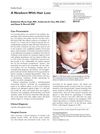
February 2013 in “Clinical pediatrics” The baby’s hair loss was due to a rare genetic condition, not treatable by usual methods.
Certain genetic markers on chromosome 20 are linked to hair loss in the Han Chinese from Yunnan.