
Periplaneta americana extract promotes hair growth and is safe for treating hair loss.
 October 2023 in “Cell & bioscience”
 A special gene region controls the re-emergence of a primitive wool type in Merino sheep, improving their wool yield and adaptability.
PRP with microneedling is more effective than PRP alone for treating hair loss.
 20 citations
,
June 2022 in “Molecules”
20 citations
,
June 2022 in “Molecules” Thiazole, a sulfur and nitrogen chemical, is useful in creating potential drugs for conditions like seizures, cancer, bacterial infections, tuberculosis, inflammation, malaria, viruses, Alzheimer's, diabetes, and A1-receptor issues.
24 citations
,
December 2023 in “Gels” 3D-printed hydrogels show promise in medicine but face challenges in resolution, cell viability, cost, and regulations.
 2 citations
,
January 2006 in “Durham e-Theses (Durham University)”
2 citations
,
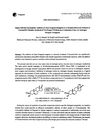
January 2006 in “Durham e-Theses (Durham University)” Androsterone and finasteride have different solid forms, with new findings correcting previous errors and identifying a new form.
 14 citations
,
February 1994 in “Tetrahedron Letters”
14 citations
,
February 1994 in “Tetrahedron Letters” Adding cerium(III) chloride to Grignard reagents improves the making of compounds that could treat prostate issues and hair loss.
January 2016 in “Mercer University Libraries (Mercer University)” The study successfully developed and evaluated effective topical formulations for skin treatments.
 21 citations
,
September 2011 in “Journal of Pharmaceutical Sciences”
21 citations
,
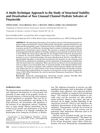
September 2011 in “Journal of Pharmaceutical Sciences” Desolvation of finasteride depends on environment and technique.
 January 2025 in “International Journal of Cosmetic Science”
 Citric acid strengthens and improves damaged hair.
 1 citations
,
January 2025 in “RSC Advances”
1 citations
,
January 2025 in “RSC Advances” Ascorbic acid derivatives improve drug delivery systems.
April 2022 in “Gugje bogeon mi-yong haghoeji” 1% citral is more effective for treating comedone acne than salicylic acid.
 November 2024 in “Polymers for Advanced Technologies”
 The hydrogel effectively heals wounds and kills bacteria.
 April 2026 in “Lithuanian University of Health Sciences”
 Cinnamic acid in hydrogels can effectively fight fungi but spreads less than in solution.
4 citations
,
March 2023 in “Molecules/Molecules online/Molecules annual” Gallic acid and ferulic acid can be sustainably extracted for hair supplements with high efficiency and stability.
 4 citations
,
January 1994 in “Yakugaku zasshi”
4 citations
,
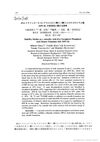
January 1994 in “Yakugaku zasshi” EPC-K is stable except at very acidic pH or when exposed to sunlight, and it can decompose in low ethanol concentrations.
 April 2026 in “Applied Sciences”
 Succinic acid helps improve skin conditions like acne and rosacea.
 1 citations
,
July 2022 in “Journal of dermatology”
1 citations
,
July 2022 in “Journal of dermatology” Disrupted citric acid metabolism stops hair growth.
20 citations
,
February 1968 in “Journal of Histochemistry & Cytochemistry” A new test more accurately detects citrulline in hair follicles and pilomatrixomas.
 February 2025 in “International Journal of Cosmetic Science”
 A new amino acid derivative, ATS, improves hair texture and moisture, making it easier to straighten curly hair.
14 citations
,
September 1983 in “Acta Dermato Venereologica” Citral increases sebaceous gland activity in male rats.
July 2023 in “Nature Reviews Chemistry” A new method strengthens hair without using harmful chemicals.
 September 2023 in “Jurnal MIPA (edisi elektronik)”
 Lime extract can be used to make a stable hair tonic with beneficial compounds.
1 citations
,
July 2021 in “Current nanomedicine” The new gel formulation for Acitretin improves topical delivery and reduces oral toxicity.
June 2025 in “Healthy-Mu Journal” The optimized Cinchonine gel effectively fights acne bacteria and is safe for twice-daily use.
12 citations
,
July 2017 in “International Journal of Cosmetic Science” N‐AOHPA is a promising alternative to traditional surfactants for better hair conditioning.
7 citations
,
October 2018 in “South African journal of botany” Clausena anisata may be effective in treating acne due to its ability to fight bacteria, reduce inflammation, and possibly lower sebum production.
 87 citations
,
March 2000 in “American Journal of Clinical Dermatology”
87 citations
,
March 2000 in “American Journal of Clinical Dermatology” Alpha-hydroxy acids, like glycolic acid, safely improve skin issues and work on all skin types.
 1 citations
,
June 2018 in “JAMA Dermatology”
1 citations
,
June 2018 in “JAMA Dermatology” Vitamin C was found to effectively treat prickly heat in children.