November 2025 in “The Journal of Immunology” A humanized IL-2 fusion protein boosts T regulatory cells and helps control hair loss in Alopecia Areata.
 November 2025 in “SKIN The Journal of Cutaneous Medicine”
 Baricitinib shows promise in improving frontal fibrosing alopecia symptoms.
December 2018 in “International journal of women’s dermatology” FFA in young women is often missed, and no single treatment works best.
 67 citations
,
October 2005 in “Annals of Oncology”
67 citations
,
October 2005 in “Annals of Oncology” Fulvestrant is a well-tolerated new treatment for advanced breast cancer that may delay chemotherapy.
IVL-DrugFluidic® can mass-produce high-quality, long-acting injectable drug microspheres, improving patient compliance and reducing side effects.
 September 2024 in “Drugs & Therapy Perspectives”
 Ritlecitinib effectively regrows hair in severe alopecia areata and is well tolerated.
 June 2017 in “Journal of the American Academy of Dermatology”
 Tofacitinib is effective and safe for treating severe alopecia areata and related conditions.
February 2025 in “Canadian Journal of Health Technologies” Baricitinib is effective and cost-efficient for treating severe alopecia areata in adults.
Tofacitinib may effectively treat hair loss and improve symptoms in autoimmune conditions like alopecia areata and Sjögren's syndrome, but long-term treatment might be necessary.
December 2003 in “British Journal of Urology”  February 2011 in “Annales de dermatologie et de vénéréologie”
 Tofacitinib shows promise for treating severe alopecia areata with good safety and effectiveness.
13 citations
,
March 2014 in “Journal of Clinical Laboratory Analysis” Higher MIF levels in alopecia areata patients suggest it could be a treatment target and disease predictor.
 January 2014 in “IOSR journal of pharmacy”
 Adalimumab can cause complete hair loss in rare cases.
10 citations
,
September 2021 in “The FASEB Journal” ACKR2 helps prevent skin scarring and hair loss by controlling inflammation.
 April 2023 in “Revista colombiana de reumatología”
 JAK inhibitors like tofacitinib can effectively treat severe alopecia areata.
Low-dose oral isotretinoin improved hair loss and facial bumps in patients with a specific type of hair loss.
17 citations
,
October 2024 in “Journal of the American Academy of Dermatology” Brepocitinib effectively reduces inflammation and improves symptoms in cicatricial alopecia with good safety.
 16 citations
,
January 2007 in “Actas dermo-sifiliográficas/Actas dermo-sifiliográficas”
16 citations
,
January 2007 in “Actas dermo-sifiliográficas/Actas dermo-sifiliográficas” The document concludes that there are no reliable treatments for frontal fibrosing alopecia, with only temporary benefits from current options.
 1 citations
,
March 2019 in “Journal of Interdisciplinary Medicine”
1 citations
,
March 2019 in “Journal of Interdisciplinary Medicine” A patient with multiple sclerosis developed skin reactions after Daclizumab treatment, requiring more data on the drug's effects.
January 2024 in “Pharmaceutical journal/The pharmaceutical journal” Ritlecitinib can help about 14,000 people with severe hair loss.
 6 citations
,
April 2021 in “Frontiers in Immunology”
6 citations
,
April 2021 in “Frontiers in Immunology” A patient with lupus and long-term hair loss saw significant hair regrowth after using the drug tofacitinib.
 41 citations
,
December 2015 in “JAMA Dermatology”
41 citations
,
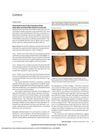
December 2015 in “JAMA Dermatology” Tofacitinib citrate improved nail dystrophy and pain in patients with alopecia universalis without causing side effects.
 March 2014 in “Journal of The American Academy of Dermatology”
 The new topical product combined with finasteride significantly increased hair thickness without side effects.
3 citations
,
January 2011 in “Yearbook of Dermatology and Dermatologic Surgery” 8 citations
,
January 2017 in “Dermatology online journal” Tofacitinib helped psoriasis but not alopecia universalis, needing more research.
June 2025 in “Frontiers in Medicine” Omalizumab may cause temporary hair loss, especially in women aged 18-60.
13 citations
,
February 2017 in “Clinical rheumatology” Tofacitinib may help treat nail dystrophy, especially when other treatments fail.
July 2024 in “Journal of Investigative Dermatology” Brepocitinib improves cicatricial alopecia and reduces key immune markers.
 105 citations
,
August 2010 in “Pharmacology & therapeutics”
105 citations
,
August 2010 in “Pharmacology & therapeutics” Formyl-peptide receptor agonists could be new anti-inflammatory drugs.
 2 citations
,
April 2017 in “Actas Dermo-Sifiliográficas”
2 citations
,
April 2017 in “Actas Dermo-Sifiliográficas” Best treatment for Frontal Fibrosing Alopecia is 5-alpha-reductase inhibitors and intralesional corticosteroids.