 97 citations
,
September 2006 in “Pharmaceutical Research”
97 citations
,
September 2006 in “Pharmaceutical Research” No treatment fully prevents hair loss from chemotherapy yet.
December 2017 in “Journal of Pigmentary Disorders” September 2015 in “Der Internist” Finasteride and minoxidil are effective for hair loss, with potential side effects, and JAK inhibitors show promise for alopecia areata.
 1 citations
,
February 2022 in “JAMA Dermatology”
1 citations
,
February 2022 in “JAMA Dermatology” Minoxidil and finasteride are FDA-approved treatments for male hair loss, but off-label use of oral minoxidil, dutasteride, and higher doses of finasteride and minoxidil is increasing.
 August 2000 in “ChemInform”
 Effective treatments for hair loss exist; early intervention is important.
Effective hair loss treatment in men involves personalized care and combination therapies.
3 citations
,
January 2015  April 2024 in “Medical & clinical research”
 More research is needed to find the best long-term treatments for Alopecia Areata.
May 2026 in “Phytomedicine”  14 citations
,
April 2006 in “Expert Review of Dermatology”
14 citations
,
April 2006 in “Expert Review of Dermatology” Antiandrogen therapy helps treat genetic hair loss.
February 2025 in “Actas Dermo-Sifiliográficas” Low-dose oral minoxidil can help improve hair and eyebrow growth in people with frontal fibrosing alopecia.
 1 citations
,
January 1997 in “Archives of Dermatology”
1 citations
,
January 1997 in “Archives of Dermatology” Hair loss from alopecia areata can sometimes regrow in a pattern similar to androgenetic alopecia.
 27 citations
,
January 2005 in “American Journal of Clinical Dermatology”
27 citations
,
January 2005 in “American Journal of Clinical Dermatology” Azelaic acid and anthralin are similarly effective for treating patchy hair loss.
 182 citations
,
October 2003 in “British Journal of Dermatology”
182 citations
,
October 2003 in “British Journal of Dermatology” The 2003 guidelines suggest that while some treatments can regrow hair in alopecia areata, none alter the disease's progression, and wigs may be the best option for extensive hair loss.
 18 citations
,
December 2010 in “Journal of Trace Elements in Medicine and Biology”
18 citations
,
December 2010 in “Journal of Trace Elements in Medicine and Biology” Women with AGA have more androstenedione and dihydrotestosterone, less copper and zinc; copper imbalance affects AGA; treatment improves hormones and minerals.
 1 citations
,
March 2023 in “Clinical, Cosmetic and Investigational Dermatology”
1 citations
,
March 2023 in “Clinical, Cosmetic and Investigational Dermatology” Current treatments for Alopecia Areata have mixed success, and there's a need for better, more accessible options and support for affected individuals.
 January 2025 in “Surgical & Cosmetic Dermatology”
 Histopathological confirmation is crucial to accurately diagnose alopecia triangular temporal and avoid unnecessary treatments.
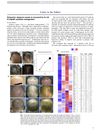 68 citations
,
November 2015 in “The Journal of Allergy and Clinical Immunology”
68 citations
,
November 2015 in “The Journal of Allergy and Clinical Immunology” Blocking IL-12/IL-23p40 helped reverse severe hair loss in patients.
August 2014 in “Journal of drug discovery and therapeutics” Topical minoxidil and oral finasteride can help regrow hair in androgenetic alopecia.
 November 2023 in “International Journal of Dermatology”
 Trichoscopy helps tell apart other hair loss conditions from common hair loss.
20 citations
,
June 2019 in “Archives of dermatological research” Combining DPCP and anthralin helps regrow hair in some alopecia areata patients.
 September 2024 in “PubMed”
 Hair loss can be treated based on its type and cause, improving quality of life.
16 citations
,
December 2015 in “Journal of Investigative Dermatology” Alopecia areata involves persistent gene abnormalities and immune activity, even in regrown hair, suggesting a risk of relapse.
 May 1994 in “Reactions Weekly”
 Many medications can cause hair loss or excessive hair growth, which is usually reversible after stopping the drug.
 January 2008 in “Annals of Nutrition and Metabolism”
 Parthenolide promotes hair growth in mice and may influence pathways related to male pattern baldness.
1 citations
,
January 2016 in “Dermatology Online Journal” Triangular temporal alopecia can occur in adults and should be correctly identified to prevent misdiagnosis.
 March 2026 in “Open MIND”
 PRP and microneedling improve hair growth in early-stage alopecia, but effects reverse if treatment stops.
 4 citations
,
May 2002 in “Therapeutische Umschau”
4 citations
,
May 2002 in “Therapeutische Umschau” AGA treated with finasteride, minoxidil, and hair transplantation.
 13 citations
,
January 2016 in “Journal of cosmetology & trichology”
13 citations
,
January 2016 in “Journal of cosmetology & trichology” Alternative treatments show promise for hair growth beyond traditional methods.
 14 citations
,
January 1985 in “International Journal of Dermatology”
14 citations
,
January 1985 in “International Journal of Dermatology” The cause of alopecia areata was unknown, and while various treatments existed, no best treatment was agreed upon.