 September 2023 in “Nature Communications”
 Immune cells are essential for skin regeneration using biomaterial scaffolds.
 May 2023 in “Frontiers in Endocrinology”
 Thyroid disease can cause skin, hair, and nail problems, and treating the thyroid condition often improves these symptoms.
 April 2023 in “American Journal of Transplantation”
 Hormone replacement therapy may lower the risk of severe COVID-19 outcomes in non-immunosuppressed people and male organ transplant recipients.

Skin stem cells in hair follicles are important for touch sensation.
 April 2011 in “한국생물공학회 학술대회”
 Lotion with fucoidan from brown seaweed improved skin and reduced allergy symptoms in mice with dermatitis.
 39 citations
,
April 1992 in “Development”
39 citations
,
April 1992 in “Development” Both cell and non-cell parts are important for rat whisker follicle regrowth.
 10 citations
,
August 2022 in “International Journal of Molecular Sciences”
10 citations
,
August 2022 in “International Journal of Molecular Sciences” Leptin-deficient mice, used as a model for Type 2 Diabetes, have delayed wound healing due to impaired contraction and other dysfunctional cellular responses.

The COVID-19 vaccine is viewed more negatively and causes more side effects than the flu vaccine in Korean patients with lupus.

Higher EULAR/ACR scores in SLE patients predict more organ damage.
 1 citations
,
May 2017 in “Journal of the American Academy of Dermatology”
1 citations
,
May 2017 in “Journal of the American Academy of Dermatology” Tofacitinib helped a teenager with severe hair loss grow hair back, but more research is needed.
 105 citations
,
February 1996 in “Journal of biological chemistry/The Journal of biological chemistry”
105 citations
,
February 1996 in “Journal of biological chemistry/The Journal of biological chemistry” The TGM3 gene's promoter region is key for skin and hair cell function and may aid gene therapy.
 55 citations
,
April 2010 in “Cancer and Metastasis Reviews”
55 citations
,
April 2010 in “Cancer and Metastasis Reviews” TGFβ's manipulation of inflammation and immune cells affects cancer spread, suggesting new treatment strategies and biomarkers.
 23 citations
,
April 1993 in “Gastroenterology”
23 citations
,
April 1993 in “Gastroenterology” A mother and son both had ulcerative colitis and alopecia, suggesting a genetic link in autoimmune disorders and successful treatment with cyclosporine.
 12 citations
,
June 2016 in “Clinical and Molecular Hepatology”
12 citations
,
June 2016 in “Clinical and Molecular Hepatology” Mycophenolate mofetil can effectively treat autoimmune hepatitis when standard drugs fail.
 9 citations
,
October 2017 in “Molecular Medicine Reports”
9 citations
,
October 2017 in “Molecular Medicine Reports” Finasteride causes reduced tear flow and severe eye inflammation.
 9 citations
,
August 2014 in “European journal of ophthalmology”
9 citations
,
August 2014 in “European journal of ophthalmology” PGF2α receptors in human eyelids are found in specific parts of hair follicles, explaining eyelash changes with glaucoma treatment.
 8 citations
,
May 2017 in “Singapore Medical Journal”
8 citations
,
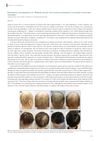
May 2017 in “Singapore Medical Journal” A Korean woman with complete hair loss regrew her hair after taking tofacitinib, with no side effects.
 7 citations
,
September 2008 in “Dermatologic surgery”
7 citations
,
September 2008 in “Dermatologic surgery” Hair transplantation can successfully treat stubborn alopecia areata.
 June 2023 in “British journal of dermatology/British journal of dermatology, Supplement”
 A woman's rare hair loss condition improved on its own, suggesting this type might recover like common cases.
 April 2023 in “Medizinische Genetik”
 New research has found 14 genes linked to the risk of developing alopecia areata, improving understanding and treatment options.
 January 2021 in “Pediatric Oncall”
 Autoimmune hepatitis in children often affects girls and can be treated successfully with medication.
January 2020 in “Dermatology Review” Early diagnosis and treatment are crucial for managing alopecia areata, morphea, and psoriasis.

Using 5% minoxidil foam twice daily can help regrow hair, especially in younger men aged 20-30.
 July 2012 in “European journal of cancer”
 MPA increases cancer spread by boosting Eph A2 activity.
 October 1999 in “The Journal of Urology”
 New treatments and diagnostic methods for urological conditions show promise, but some lack sufficient accuracy for clinical use.
 5 citations
,
June 1994 in “Journal of Cutaneous Pathology”
5 citations
,
June 1994 in “Journal of Cutaneous Pathology” No CD44 in alopecia areata, present in normal and androgenetic alopecia.
 3 citations
,
April 2016 in “The journal of investigative dermatology/Journal of investigative dermatology”
3 citations
,
April 2016 in “The journal of investigative dermatology/Journal of investigative dermatology” Curcumin applied to the skin can start hair growth in mice.
 April 2016 in “The journal of investigative dermatology/Journal of investigative dermatology”
 The back of the scalp has more nerve fibers than the front, which may explain why some people feel more sensitivity there.
 April 2016 in “The journal of investigative dermatology/Journal of investigative dermatology”
 BMP signaling controls hair growth and skin color.
 149 citations
,
July 2002 in “Dermatologic clinics”
149 citations
,
July 2002 in “Dermatologic clinics” Patients with certain skin symptoms and high ANA titers should be monitored for potential systemic lupus.