 8 citations
,
April 2015 in “Advances in Psychosomatic Medicine”
8 citations
,
April 2015 in “Advances in Psychosomatic Medicine” Psychotropic medications can cause skin problems but also treat some skin conditions.
 31 citations
,
October 2013 in “Psychosomatics”
31 citations
,
October 2013 in “Psychosomatics” Psychotropic medications can cause skin reactions, including severe conditions like SJS and TEN, and it's important for psychiatrists to recognize and manage these side effects.
 30 citations
,
May 1991 in “Psychosomatics”
30 citations
,
May 1991 in “Psychosomatics” Some psychiatric medications can cause reversible hair loss.
 January 2025 in “Hospital Pharmacology - International Multidisciplinary Journal”
 Medications can cause eye problems, so regular eye check-ups are important.
 63 citations
,
March 1998 in “Archives of Dermatology”
63 citations
,
March 1998 in “Archives of Dermatology” Antidepressants may improve or resolve scalp dysesthesia in most patients.
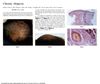 June 1995 in “Archives of Dermatology”
 A woman's hair loss was due to trichotillomania, which is often misdiagnosed and can require different treatments based on age and underlying conditions.
 5 citations
,
February 2010 in “Expert Review of Dermatology”
5 citations
,
February 2010 in “Expert Review of Dermatology” Treating both the mind and skin together, especially by managing stress, can greatly improve outcomes for skin disorders linked to psychological issues.
 20 citations
,
November 2012 in “Journal der Deutschen Dermatologischen Gesellschaft”
20 citations
,
November 2012 in “Journal der Deutschen Dermatologischen Gesellschaft” Hair diseases can have psychological effects and should be treated with a combination of psychosomatic care, therapy, and medication.
January 2014 in “Astrocyte” Some drugs may cause hair loss in women.
 63 citations
,
March 1995 in “International Journal of Dermatology”
63 citations
,
March 1995 in “International Journal of Dermatology” Some drugs can cause hair loss, and stopping these drugs often leads to hair regrowth.
 41 citations
,
March 2010 in “Psychology Research and Behavior Management”
41 citations
,
March 2010 in “Psychology Research and Behavior Management” Using psychological treatments can help manage skin conditions along with regular medical care.
2152 citations
,
November 2013 in “Urologia Internationalis” Many men under 40 with erectile dysfunction have organic causes like vascular issues, medication side effects, or hormonal problems.
79 citations
,
January 2000 in “Annals of Clinical Psychiatry” Some psychiatric medications can cause hair loss, but stopping or reducing the dose usually reverses it.
 26 citations
,
December 2015 in “International Journal of Dermatology”
26 citations
,
December 2015 in “International Journal of Dermatology” Trichodynia is a painful scalp condition linked to hair loss and inflammation, often with anxiety, affecting more women and needing better treatment options.
 4 citations
,
February 2013 in “Revista De Saude Publica”
4 citations
,
February 2013 in “Revista De Saude Publica” Pill organizers and cutters can help with taking medication regularly but may affect the medication's effectiveness and safety.
September 2025 in “BioMed” Improved oral hygiene and dietary changes can help manage black hairy tongue syndrome.
 April 2017 in “InTech eBooks”
 Many people with hair loss experience scalp pain known as trichodynia, but the causes are unclear and treatments vary.
 June 2025 in “The Senior Care Pharmacist”
 Certain medications like antipsychotics and some antidepressants increase the risk of falls in older patients.
8 citations
,
October 2021 in “The international journal of risk and safety in medicine” The document sets criteria for diagnosing long-term sexual dysfunctions caused by certain medications.
 11 citations
,
January 2020 in “Epidemiology and Psychiatric Sciences”
11 citations
,
January 2020 in “Epidemiology and Psychiatric Sciences” Antidepressants can cause long-term side effects like severe withdrawal symptoms and sexual dysfunction, which can last for months or years after stopping the medication.
 9 citations
,
April 1987 in “International Journal of Dermatology”
9 citations
,
April 1987 in “International Journal of Dermatology” Stopping the depression medication improved the woman's eyebrow hair loss, and a treatment for a skin condition caused by mites was effective.
 December 2024 in “Brazilian Journal of Hair Health”
 Treating both bipolar disorder and hair-related BDD with psychiatric medications improved the patient's symptoms.
 May 2017 in “InTech eBooks”
 Hair pulling disorder is treated with therapy and medication; hair loss from tension can be reversed if caught early.
 November 2024 in “Cureus”
 Combining therapy, behavior techniques, and medication can help manage trichotillomania and depression.
 August 2019 in “bioRxiv (Cold Spring Harbor Laboratory)”
 The model successfully predicted new uses for existing drugs, like using certain hormonal and heart medications for respiratory and Parkinson's diseases, and a cancer drug for diabetes.
 8 citations
,
September 2021 in “Skin appendage disorders”
8 citations
,
September 2021 in “Skin appendage disorders” Trichotillomania treatment is most successful with a mix of behavioral therapy, medication, and social support.
2 citations
,
March 2022 in “Indian Journal of Psychiatry/Indian journal of psychiatry” The conclusion is that careful management of both psychiatric and skin conditions is crucial for HIV patients, using medication and interdisciplinary approaches.
 January 2017 in “International journal of science and research”
 Trichotillomania is a chronic hair-pulling disorder, more common in females, treated with therapy and sometimes medication.
 1 citations
,
February 2022 in “Clinical and Experimental Health Sciences”
1 citations
,
February 2022 in “Clinical and Experimental Health Sciences” Dexpanthenol may help treat epilepsy and depression.
 1 citations
,
July 2015 in “The European research journal”
1 citations
,
July 2015 in “The European research journal” Stopping aripiprazole can reverse its side effect of hair loss.