 63 citations
,
March 1998 in “Archives of Dermatology”
63 citations
,
March 1998 in “Archives of Dermatology” Antidepressants may improve or resolve scalp dysesthesia in most patients.
 48 citations
,
January 2002 in “Dermatology”
48 citations
,
January 2002 in “Dermatology” Hair pain is more common in women with hair loss, but it's not linked to the cause or severity of hair loss.
 37 citations
,
January 2019 in “JAMA Dermatology”
37 citations
,
January 2019 in “JAMA Dermatology” People with Major Depressive Disorder have a higher chance of getting Alopecia Areata, and vice versa; antidepressants may lower this risk.
 26 citations
,
December 2015 in “International Journal of Dermatology”
26 citations
,
December 2015 in “International Journal of Dermatology” Trichodynia is a painful scalp condition linked to hair loss and inflammation, often with anxiety, affecting more women and needing better treatment options.
 20 citations
,
August 2018 in “Clinics in Dermatology”
20 citations
,
August 2018 in “Clinics in Dermatology” The conclusion is that understanding and addressing the psychological effects of alopecia areata is important for effective treatment.
 20 citations
,
November 2012 in “Journal der Deutschen Dermatologischen Gesellschaft”
20 citations
,
November 2012 in “Journal der Deutschen Dermatologischen Gesellschaft” Hair diseases can have psychological effects and should be treated with a combination of psychosomatic care, therapy, and medication.
 20 citations
,
February 2022 in “British Journal of Dermatology”
20 citations
,
February 2022 in “British Journal of Dermatology” People with alopecia areata have a higher risk of depression and anxiety, and often face unemployment and work absences.
 8 citations
,
August 2020 in “PLOS Computational Biology”
8 citations
,
August 2020 in “PLOS Computational Biology” A machine learning model called CATNIP can predict new uses for existing drugs, like using antidepressants for Parkinson's disease and a thyroid cancer drug for diabetes.
 8 citations
,
April 2015 in “Advances in Psychosomatic Medicine”
8 citations
,
April 2015 in “Advances in Psychosomatic Medicine” Psychotropic medications can cause skin problems but also treat some skin conditions.
 5 citations
,
February 2010 in “Expert Review of Dermatology”
5 citations
,
February 2010 in “Expert Review of Dermatology” Treating both the mind and skin together, especially by managing stress, can greatly improve outcomes for skin disorders linked to psychological issues.
 3 citations
,
January 2010 in “Actas Dermo-Sifiliográficas”
3 citations
,
January 2010 in “Actas Dermo-Sifiliográficas” Psychotropic drugs can help treat skin conditions affected by mental health, but dermatologists must use them carefully due to side effects and patient concerns.
2 citations
,
March 2022 in “Indian Journal of Psychiatry/Indian journal of psychiatry” The conclusion is that careful management of both psychiatric and skin conditions is crucial for HIV patients, using medication and interdisciplinary approaches.
 2 citations
,
January 2017 in “Cambridge University Press eBooks”
2 citations
,
January 2017 in “Cambridge University Press eBooks” Manage PCOS in primary care with weight loss, psychological support, medication, and monitoring for health risks.
November 2025 in “Journal of the European Academy of Dermatology and Venereology” JAK inhibitors may reduce depression in people with alopecia areata.
September 2025 in “BioMed” Improved oral hygiene and dietary changes can help manage black hairy tongue syndrome.
July 2025 in “Actas Dermo-Sifiliográficas” Trichodynia is a challenging scalp condition to treat, needing gentle care and more research for better solutions.
 January 2025 in “Hospital Pharmacology - International Multidisciplinary Journal”
 Medications can cause eye problems, so regular eye check-ups are important.
 November 2024 in “Cureus”
 Combining therapy, behavior techniques, and medication can help manage trichotillomania and depression.
September 2024 in “Actas Dermo-Sifiliográficas” Trichodynia is a painful scalp condition linked to hair loss and mental health issues, with limited treatment options.
 November 2023 in “Aktualʹnì problemi sučasnoï medicini”
 The guidelines suggest using various treatments, including antidepressants and steroids, for alopecia areata and discuss the condition's genetic and immune aspects.
 July 2023 in “Australasian Journal of Dermatology”
 The analysis found that alopecia areata, a hair loss condition, is not very common in Australia, affecting about 0.13% of people, with new cases most often seen in males aged 19 to 34 years.
 January 2023 in “Advances in pharmacology and clinical trials”
 Human hair is a significant sample for various tests in clinical, nutritional, archaeological, and forensic studies.
Alopecia Areata has no cure, treatments are limited, and the condition often recurs, but new therapies like JAK inhibitors show promise.
 December 2019 in “Pediatria i Medycyna Rodzinna”
 Alopecia areata is a hair loss condition that may be linked to stress and genetics, often requires psychological support, and has no set treatment.
 August 2019 in “bioRxiv (Cold Spring Harbor Laboratory)”
 The model successfully predicted new uses for existing drugs, like using certain hormonal and heart medications for respiratory and Parkinson's diseases, and a cancer drug for diabetes.
January 2018 in “Dermatology Online Journal” Alopecia areata is hard to treat, but new targeted therapies show promise.
 April 2017 in “InTech eBooks”
 Many people with hair loss experience scalp pain known as trichodynia, but the causes are unclear and treatments vary.
 January 2017 in “International journal of science and research”
 Trichotillomania is a chronic hair-pulling disorder, more common in females, treated with therapy and sometimes medication.
January 2014 in “Astrocyte” Some drugs may cause hair loss in women.
 June 1995 in “Archives of Dermatology”
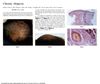
 A woman's hair loss was due to trichotillomania, which is often misdiagnosed and can require different treatments based on age and underlying conditions.