 8 citations
,
February 2009 in “Current Women's Health Reviews”
8 citations
,
February 2009 in “Current Women's Health Reviews” Testosterone treatment can improve sexual function and bone density in women but may have adverse effects and requires more research on safety and guidelines.

Cyproterone acetate with ethynyl estradiol significantly improved acne and seborrhea in women, but was less effective for hair loss and excessive hair growth.
14 citations
,
October 2015 in “Neurochemistry International” Letrozole may help prevent seizures by reducing certain hormone levels.
4 citations
,
July 1983 in “Journal of steroid biochemistry/Journal of Steroid Biochemistry” Certain hormones can reduce skin oil and hair growth, potentially helping treat acne and excessive hair in women.
 April 2006 in “Current Opinion in Endocrinology & Diabetes”
 Testosterone therapy can help improve sexual function, mood, and bone density in women with low androgen levels, but more research is needed on long-term safety.
 31 citations
,
September 2006 in “International journal of gynaecology and obstetrics”
31 citations
,
September 2006 in “International journal of gynaecology and obstetrics” New treatments for PCOS focus on insulin resistance and reducing testosterone levels, along with traditional hormone therapies.
 37 citations
,
September 2003 in “Journal of Medicinal Chemistry”
37 citations
,
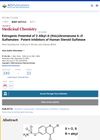
September 2003 in “Journal of Medicinal Chemistry” A substance called Compound 2g can strongly block STS (a hormone-related enzyme) without affecting estrogen levels, making it potentially good for treating breast cancer.
 5 citations
,
January 1984 in “Journal of psychosomatic obstetrics and gynecology/Journal of psychosomatic obstetrics and gynaecology”
5 citations
,
January 1984 in “Journal of psychosomatic obstetrics and gynecology/Journal of psychosomatic obstetrics and gynaecology” The treatment reduced hair growth and testosterone in women with excess hair and had some effects on stress responses.
18 citations
,
November 2012 in “Current opinion in urology” Finasteride and dutasteride are equally effective and safe for treating benign prostatic hyperplasia.
10 citations
,
October 2006 in “Expert Opinion on Emerging Drugs” New treatments for male hypogonadism are easier to use and target specific tissues to reduce side effects.
 37 citations
,
September 2018 in “The Journal of Clinical Endocrinology and Metabolism”
37 citations
,
September 2018 in “The Journal of Clinical Endocrinology and Metabolism” Intravaginal testosterone cream improves sexual satisfaction and reduces vaginal discomfort in postmenopausal women on breast cancer treatment without affecting hormone levels.
 24 citations
,
March 2003 in “Best Practice & Research Clinical Endocrinology & Metabolism”
24 citations
,
March 2003 in “Best Practice & Research Clinical Endocrinology & Metabolism” Androgens, male hormones, play a role in both men and women's health, and testosterone therapy can help women with low levels, but it's not suitable for pregnant or lactating women, or those with certain conditions.
 46 citations
,
January 2008 in “Climacteric”
46 citations
,
January 2008 in “Climacteric” Testosterone therapy can help improve sexual desire and function in postmenopausal women but may cause side effects and is not FDA-approved for this use.
18 citations
,
September 1979 in “DMW - Deutsche Medizinische Wochenschrift” Diane is effective for treating acne, seborrhoea, androgenic alopecia, and mild hirsutism in women.
14 citations
,
January 1980 in “Journal of steroid biochemistry/Journal of Steroid Biochemistry” Both treatments reduced androgen levels and hair growth in women with hirsutism.
 51 citations
,
April 1999 in “The Journal of Steroid Biochemistry and Molecular Biology”
51 citations
,
April 1999 in “The Journal of Steroid Biochemistry and Molecular Biology” Testosterone replacement may improve sexual desire and bone health in women with low androgen levels, but more research is needed on its long-term safety.
 30 citations
,
December 2001 in “Journal of The European Academy of Dermatology and Venereology”
30 citations
,
December 2001 in “Journal of The European Academy of Dermatology and Venereology” Hormonal therapy is a good option for women with severe acne, especially when there's a chance of hormone imbalance.
 24 citations
,
January 2013 in “Indian Journal of Dermatology, Venereology and Leprology”
24 citations
,
January 2013 in “Indian Journal of Dermatology, Venereology and Leprology” Hormonal treatment is effective for women with acne not helped by usual treatments, especially if they have hormonal imbalances.
Oral contraceptives and antiandrogens are the best treatments for hirsutism.
8 citations
,
March 2008 in “Deutsche medizinische Wochenschrift/Deutsche Medizinische Wochenschrift” Adding estrogen increased bone mass in a transsexual man undergoing hormone therapy.
The document concludes that antiandrogenic drugs like cyproterone acetate and spironolactone are effective but not permanent treatments for skin-related androgenization in women.
15 citations
,
October 2003 in “Annals of Oncology” Hair loss can occur as a side effect of certain breast cancer treatments, but minoxidil can help regrow hair.
53 citations
,
January 1985 in “Acta obstetricia et gynecologica Scandinavica” Low-dose oral contraceptives reduced hair growth and testosterone levels in women with polycystic ovary syndrome.
64 citations
,
January 1985 in “Clinical endocrinology” A combination of desogestrel and ethinyl oestradiol effectively reduces hair growth in hirsute women.
67 citations
,
January 1987 in “The Journal of urology/The journal of urology” New hormonal therapies can help treat advanced prostate cancer but may cause testicular issues.
 17 citations
,
January 1995 in “The American Journal of Medicine”
17 citations
,
January 1995 in “The American Journal of Medicine” The document concludes that proper diagnosis and tailored long-term treatment can effectively manage androgenic disorders in women, improving patient care outcomes.
19 citations
,
March 2010 in “Steroids” Certain progesterone derivatives can inhibit enzymes and reduce androgenic activity, potentially affecting prostate growth.
 97 citations
,
November 1986 in “Journal of Steroid Biochemistry”
97 citations
,
November 1986 in “Journal of Steroid Biochemistry” Antiandrogens affect androgen-dependent body functions and are used for various medical conditions, with some risks like fetus feminization, but new forms like 17α-propylmesterolone show promise for acne without systemic effects.
2 citations
,
February 2003 in “Obstetrical & Gynecological Survey” Most antiandrogen treatments effectively reduce acne in hyperandrogenic women, but finasteride is the least effective.
11 citations
,
May 2022 in “World Journal of Biological Chemistry” Progesterone may help trans women with breast development and health, but more research is needed.