2 citations
,
September 2021 in “JAAD case reports” A man with a weakened immune system was diagnosed with a rare skin condition called trichodysplasia spinulosa using skin examination techniques.
January 2024 in “Updates in clinical dermatology” Frontal fibrosing alopecia is a scarring hair loss condition mainly affecting postmenopausal women, with unclear causes.
 December 2016 in “Springer eBooks”
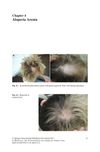
 A 45-year-old woman with autoimmune diseases experienced patchy hair loss due to alopecia areata, which has no cure but can be treated, with varying success.
 April 2022 in “JAAD International”
 Women with frontal fibrosing alopecia have similar vitamin D levels to those with other hair loss types, suggesting vitamin D is not a key factor in this condition.
1 citations
,
October 2025 in “Journal of Investigative Dermatology” This study investigated the effects of delgocitinib cream on frontal fibrosing alopecia (FFA) in a randomized, double-blind trial involving 30 adult females. Over 12 weeks, the cream significantly downregulated the T helper 1-related biomarker CXCL9 and showed a small but significant improvement in the transcriptomic profile of lesions compared to the cream vehicle. Delgocitinib was well-tolerated and associated with improvements in clinical severity endpoints, suggesting potential as a topical treatment for FFA. However, the study's limitations include its small sample size and exploratory nature.
July 2020 in “DOAJ (DOAJ: Directory of Open Access Journals)” Excessive sun protection might contribute to frontal fibrosing alopecia.
 16 citations
,
January 2019 in “Skin appendage disorders”
16 citations
,
January 2019 in “Skin appendage disorders” Intralesional corticosteroids work best for mild alopecia areata, and DPCP works best for moderate to severe cases.
 59 citations
,
March 2013 in “European Journal of Obstetrics & Gynecology and Reproductive Biology”
59 citations
,
March 2013 in “European Journal of Obstetrics & Gynecology and Reproductive Biology” People with polycystic ovary syndrome have a higher chance of having chronic thyroiditis.
 April 2025 in “Frontiers in Immunology”
 Tofacitinib effectively regrows hair in alopecia areata but may need continuous use.
71 citations
,
December 2013 in “The journal of investigative dermatology. Symposium proceedings/The Journal of investigative dermatology symposium proceedings” There are no FDA-approved treatments for Alopecia Areata, and current options have varying success and relapse rates.