 April 2021 in “Sohag Medical Journal”
 Alopecia areata is an autoimmune condition causing hair loss, linked to genetic factors and immune system issues, with no cure yet.
 January 2019 in “Springer Reference Medizin”
 Follicle Stimulating Hormone is important for fertility.

Alopecia Areata is treated with drugs and therapies to reduce inflammation and immune response.
 February 2017 in “Cancer Causes & Control”
 Swedish men with the E213 A-allele of the androgen receptor have a lower risk of prostate cancer.
Different connective tissue disorders have unique symptoms and treatments, with varying outcomes and often require ongoing care from a specialist.
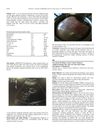 October 2014 in “Journal of Minimally Invasive Gynecology”
 Genetic testing for cancer risk can lead to early and life-saving treatments in people without symptoms.
 July 2014 in “Elsevier eBooks”
 The document concludes that various hypersensitivity diseases in horses can be diagnosed and treated with methods like immunotherapy and medication, and early aggressive treatment is crucial for severe diseases like equine cutaneous pythiosis.
 December 2012 in “Journal of dermatological science”
 Langerhans cells and melanocytes migrate to the skin and hair follicles during early human development.
 February 2012 in “Expert Review of Endocrinology & Metabolism”
 The document suggests more research is needed to understand the link between baldness and prostate cancer.
 August 2008 in “Current Opinion in Internal Medicine”
 In 2007, prostate cancer research improved understanding of risk, diagnosis, and treatment, but also showed heart risks with certain therapies and the need for personalized care.
 September 1997 in “Journal of The European Academy of Dermatology and Venereology”
 The document concludes that corticosteroids effectively treat vasculitis allergica in over 90% of cases, with long-term kidney issues being the main adverse outcome.
 September 1997 in “Journal of The European Academy of Dermatology and Venereology”
 Examining scalp tissue under a microscope helps diagnose and understand hair loss diseases.
 14 citations
,
December 2007 in “Pediatric allergy and immunology”
14 citations
,
December 2007 in “Pediatric allergy and immunology” Newborns with the common rash Erythema Toxicum have many active mast cells in their skin, but these cells don't produce the LL-37 peptide.
13 citations
,
February 1995 in “Archives of Dermatological Research” Gamma/delta T cells help defend skin against heavy metals.
1 citations
,
April 2023 in “International journal of molecular sciences” Certain skin proteins can form anchoring structures without the protein AMACO.
 115 citations
,
September 2000 in “The Lancet”
115 citations
,
September 2000 in “The Lancet” Early hair loss may indicate risk of insulin resistance.
 58 citations
,
July 1986 in “Journal of The American Academy of Dermatology”
58 citations
,
July 1986 in “Journal of The American Academy of Dermatology” Lowest effective minoxidil concentration is 1%, but 2% works better for male pattern baldness.
 8 citations
,
May 2004 in “Textile Research Journal”
8 citations
,
May 2004 in “Textile Research Journal” Scientists made antibodies to tell cashmere and wool apart, which could improve how we identify animal fibers.
 6 citations
,
January 2011 in “Journal of pediatric endocrinology & metabolism/Journal of pediatric endocrinology and metabolism”
6 citations
,
January 2011 in “Journal of pediatric endocrinology & metabolism/Journal of pediatric endocrinology and metabolism” An 11-year-old Greek girl was diagnosed with a rare genetic disorder, highlighting the importance of genetic testing and family history.
 1 citations
,
April 2022 in “Rheumatology”
1 citations
,
April 2022 in “Rheumatology” A man developed autoimmune symptoms after the Pfizer COVID-19 vaccine, highlighting the need for thorough vaccine safety checks.
 October 2025 in “International journal of research and scientific innovation”
 Lupus pneumonitis can be misdiagnosed as pneumonia or tuberculosis, so consider lupus in similar cases for proper treatment.
 August 2024 in “Clinical and Medical Engineering Live”
 Alopecia treatment should use a modern, combined approach to effectively address hair loss.
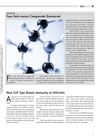 December 2011 in “Asia-Pacific biotech news”
 In 2011, there were major scientific breakthroughs in cancer treatment, immunity, Parkinson's, virus simulation, schizophrenia, hair growth, lung cancer, and medical grafts.
September 2019 in “The journal of investigative dermatology/Journal of investigative dermatology” A new mutation in the STING protein causes a disease with lupus-like symptoms and responds well to a specific inhibitor treatment.
July 2024 in “Journal of Investigative Dermatology” CD8+ T cells expand significantly in alopecia areata, suggesting new treatment targets.
7 citations
,
April 2000 in “Mammalian Genome” A new mutation in mice causes crooked whiskers and messy hair.
 7 citations
,
February 2010 in “British Journal of Dermatology”
7 citations
,
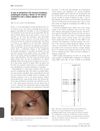
February 2010 in “British Journal of Dermatology” A woman with a rare autoimmune disorder had a blister on her eye and unique immune reaction, which was effectively treated with medication.
August 2025 in “International Journal of Molecular Sciences” AVT is highly conserved and may have antimicrobial properties.
1 citations
,
May 2022 in “European Journal of Dermatology” Longer treatment with vismodegib lowers relapse risk in basal cell carcinoma.
4 citations
,
January 2018 in “Health” Ostrich antibodies are a promising, cost-effective treatment for various skin diseases and conditions.